

Boar hunting, commonly referred to as wild boar or feral hog hunting, is one of the fastest-growing hunting activities in the United States. Unlike traditional big game hunts, boar hunting is primarily driven by population control, land protection, and agricultural damage prevention rather than limited seasonal harvest.
Wild boar are invasive in many regions, reproduce rapidly, and cause billions of dollars in damage each year. As a result, boar hunting is legal year-round in several states and offers a wide range of hunt styles, from spot-and-stalk to helicopter hog hunting.
This guide explains what boar hunting really is, where it’s legal, how hunts are conducted, what they cost, and how to approach them safely and responsibly.
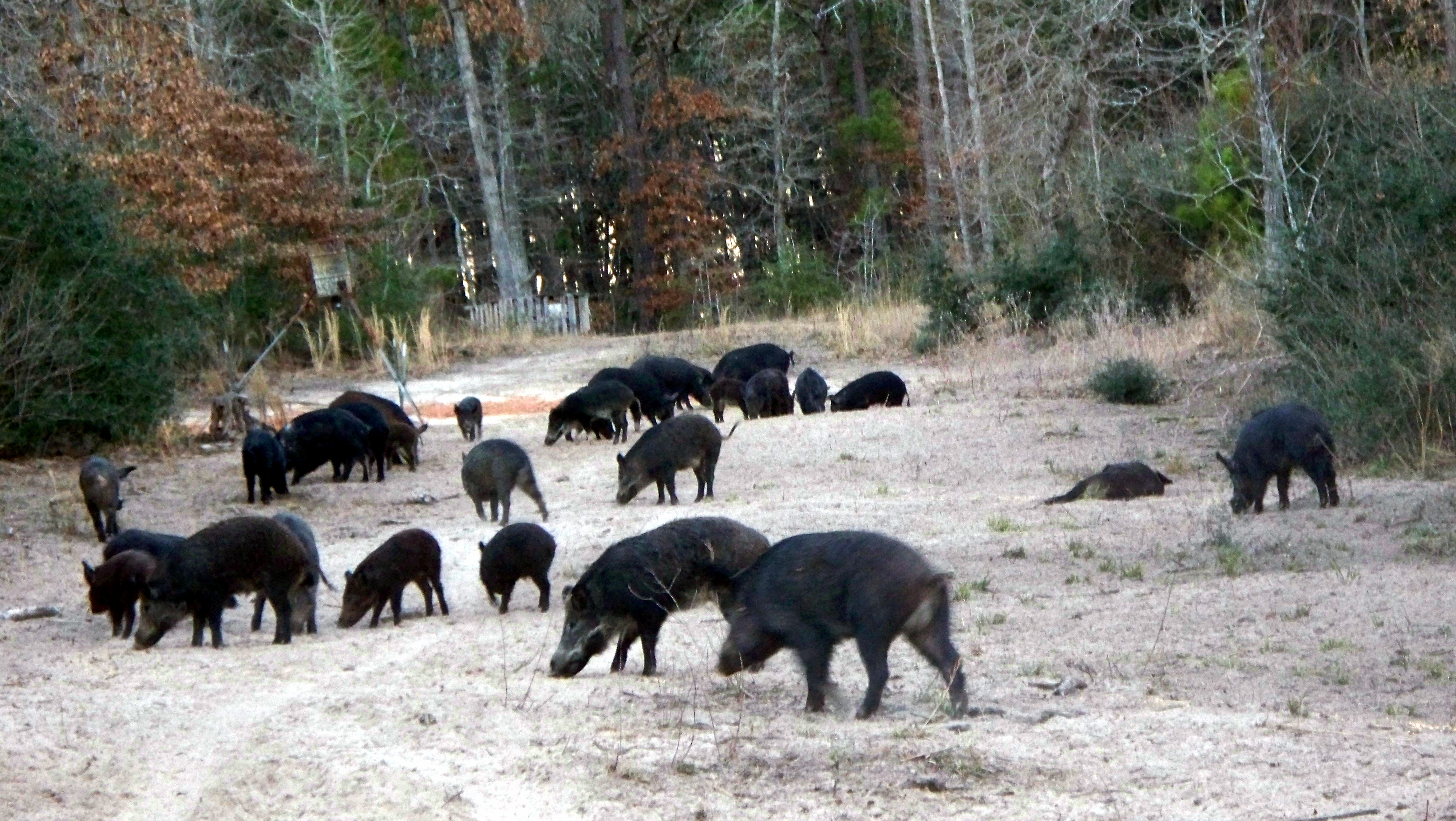
What boar hunting actually means
Boar hunting refers to the regulated harvest of wild boar or feral hogs, not domestic pigs or European medieval “boar hunts.” These animals are highly adaptable, aggressive when threatened, and capable of causing extensive environmental and agricultural damage.
Wild boar hunting exists primarily to:
-
Control invasive populations
-
Reduce crop and property damage
-
Protect native wildlife
-
Support landowners and conservation efforts
Because of their destructive impact, regulations around boar hunting differ significantly from traditional big game species.
Wild boar vs feral hogs (clarification)
Wild boar and feral hogs are often used interchangeably. In practice:
-
Wild boar refers to Eurasian wild pigs or escaped hybrids
-
Feral hogs are domestic pigs that have reverted to the wild
From a hunting and legal standpoint, both are managed similarly in most U.S. states.
Where boar hunting is legal
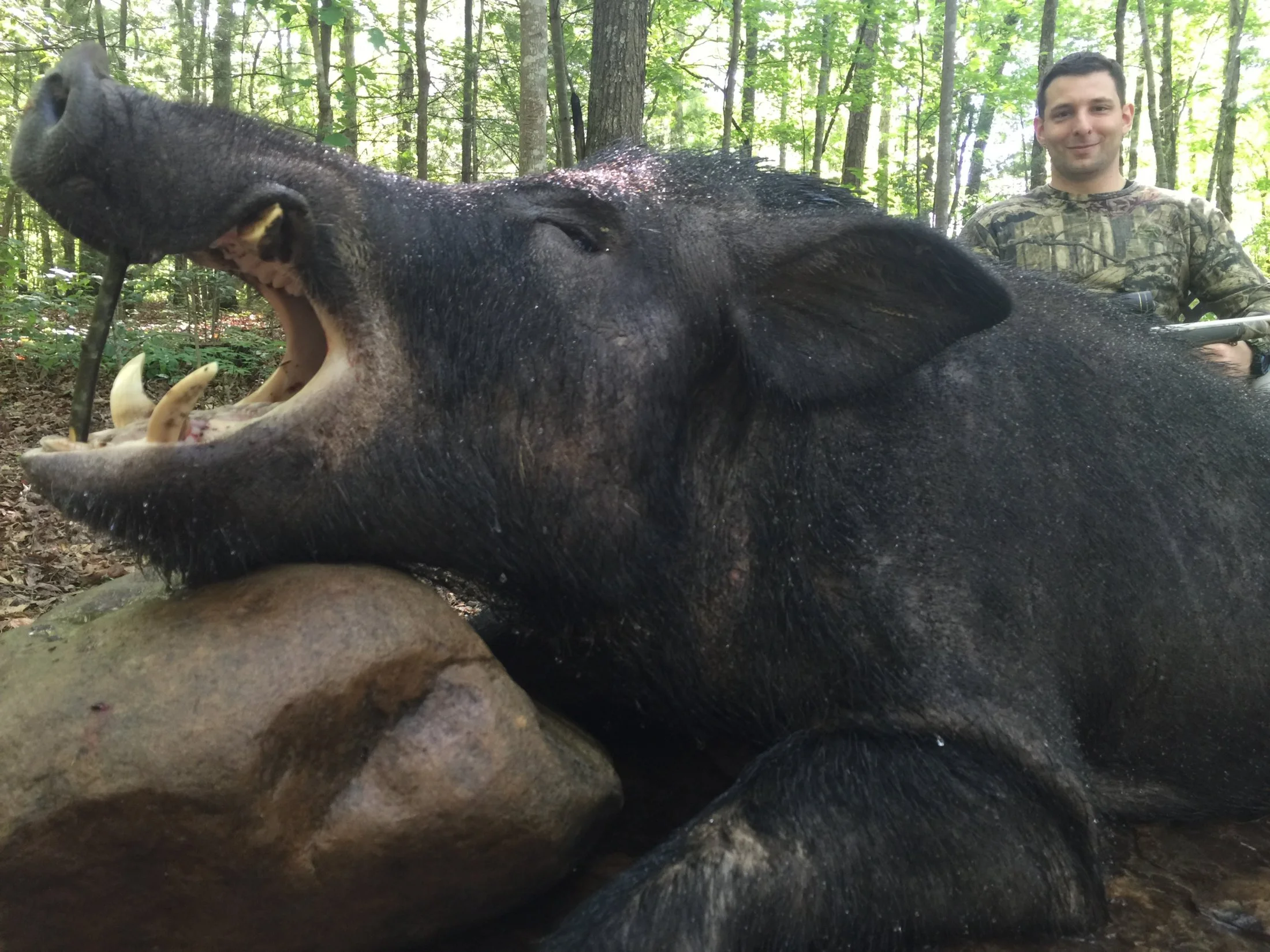
Boar hunting in the United States
Boar hunting is legal in many states, often with minimal restrictions.
Popular boar hunting states include:
-
Texas
-
California
-
Florida
-
Tennessee
-
Alabama
-
Oklahoma
In several states, wild hogs can be hunted year-round, sometimes without bag limits, especially on private land.
Boar hunting on private vs public land
Most boar hunting occurs on private land, where landowners actively encourage population reduction. Public-land boar hunting is available in some states, but is more regulated.
Boar hunting methods explained
Boar hunting offers more method variety than most hunts.
Spot-and-stalk boar hunting
Hunters locate hogs visually or by sign and stalk on foot. This method is common during daylight and requires wind awareness and careful shot placement.
Night boar hunting
Night hog hunting is legal in many states and uses thermal or night-vision optics where permitted. This method is effective because hogs are often nocturnal.
Boar hunting with dogs
In some regions, trained dogs are used to locate and hold hogs until hunters arrive. This method is regulated and requires experience due to safety risks.
Helicopter hog hunting
Helicopter hog hunting is legal in certain states, like Texas, and is used primarily for population control. It is expensive and strictly regulated.
Guided vs DIY boar hunting
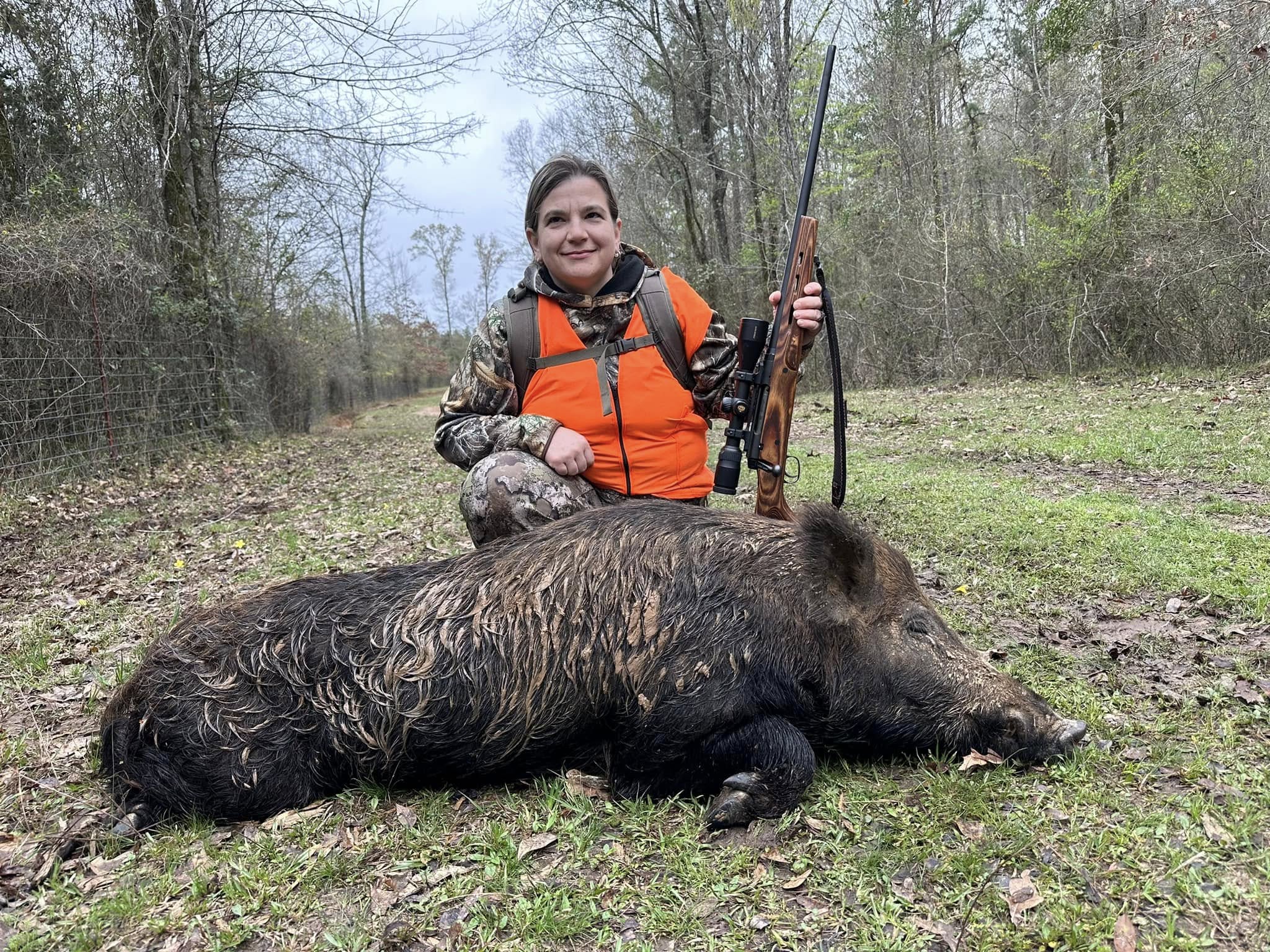
DIY boar hunting
DIY hunts are affordable and flexible, but require:
-
Knowledge of hog behavior
-
Land access or permissions
-
Strong safety awareness
DIY hunts are popular with experienced hunters and landowners.
Guided boar hunts
Guided boar hunts provide:
-
Private land access
-
Safety oversight
-
Equipment support
-
Higher encounter rates
Guided hunts are ideal for first-time hog hunters or travelers.
Boar hunting prices and trip costs
Average boar hunting prices
| Hunt Type | Typical Price Range |
|---|---|
| DIY public-land hog hunt | $0 – $500 |
| Guided day hunt | $300 – $1,000 |
| Multi-day guided boar hunt | $1,000 – $3,500 |
| Helicopter hog hunting | $3,500 – $6,000+ |
Prices vary based on land access, method, and duration.
What is usually included in guided hunts
| Included | Often additional |
|---|---|
| Land access | License (if required) |
| Guide services | Travel to the location |
| Day use or lodging | Meat processing |
| Safety briefing | Thermal optics |
Always confirm what is included before booking.