Kansas is one of the most respected hunting states in the Midwest. Known for strong whitetail deer genetics, classic upland bird traditions, and wide-open landscapes, Kansas hunting attracts both residents and traveling hunters every year.
But Kansas also has specific rules, seasons, and licensing requirements that can feel confusing at first — especially for non-residents or first-time visitors.
This guide breaks down Kansas hunting in a clear, straightforward way, so you know what you can hunt, when you can hunt, and how to get started without feeling overwhelmed.
What makes Kansas hunting special
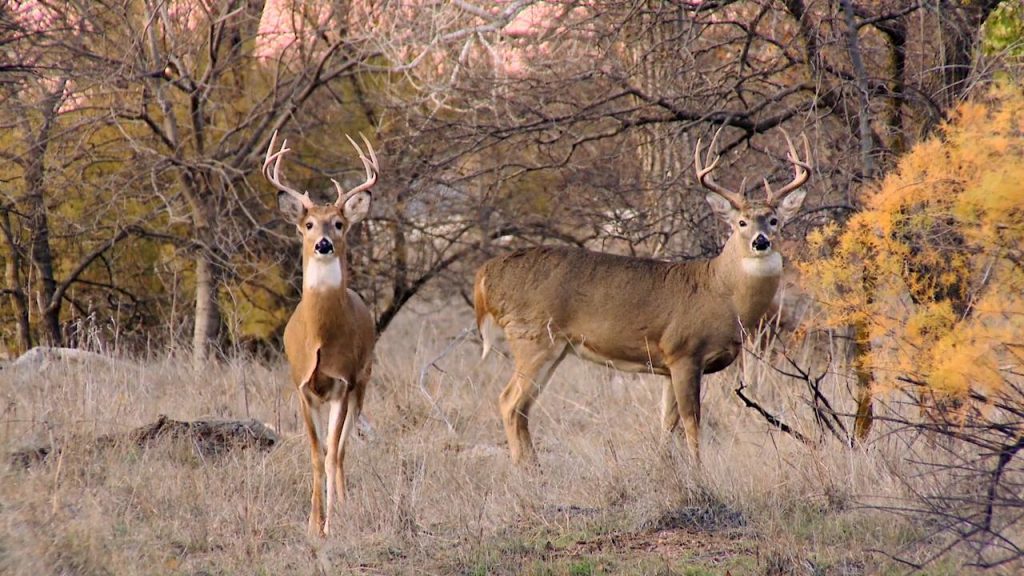
Kansas offers a unique mix of agricultural land, prairie, river bottoms, and upland habitat. This diversity supports strong populations of whitetail deer, pheasants, quail, waterfowl, and other game species.
Many hunters appreciate Kansas because:
-
Wildlife management is well-regulated
-
Access programs open land to public hunting
-
Seasons are structured and predictable
-
Trophy potential for whitetail deer is well known
What can you hunt in Kansas
Kansas offers both big game and upland opportunities.
Commonly hunted species include:
-
Whitetail deer
-
Mule deer (limited areas)
-
Pheasant
-
Quail
-
Turkey
-
Waterfowl (ducks and geese)
Each species has its own season dates and rules, which makes planning important.
Kansas deer hunting overview
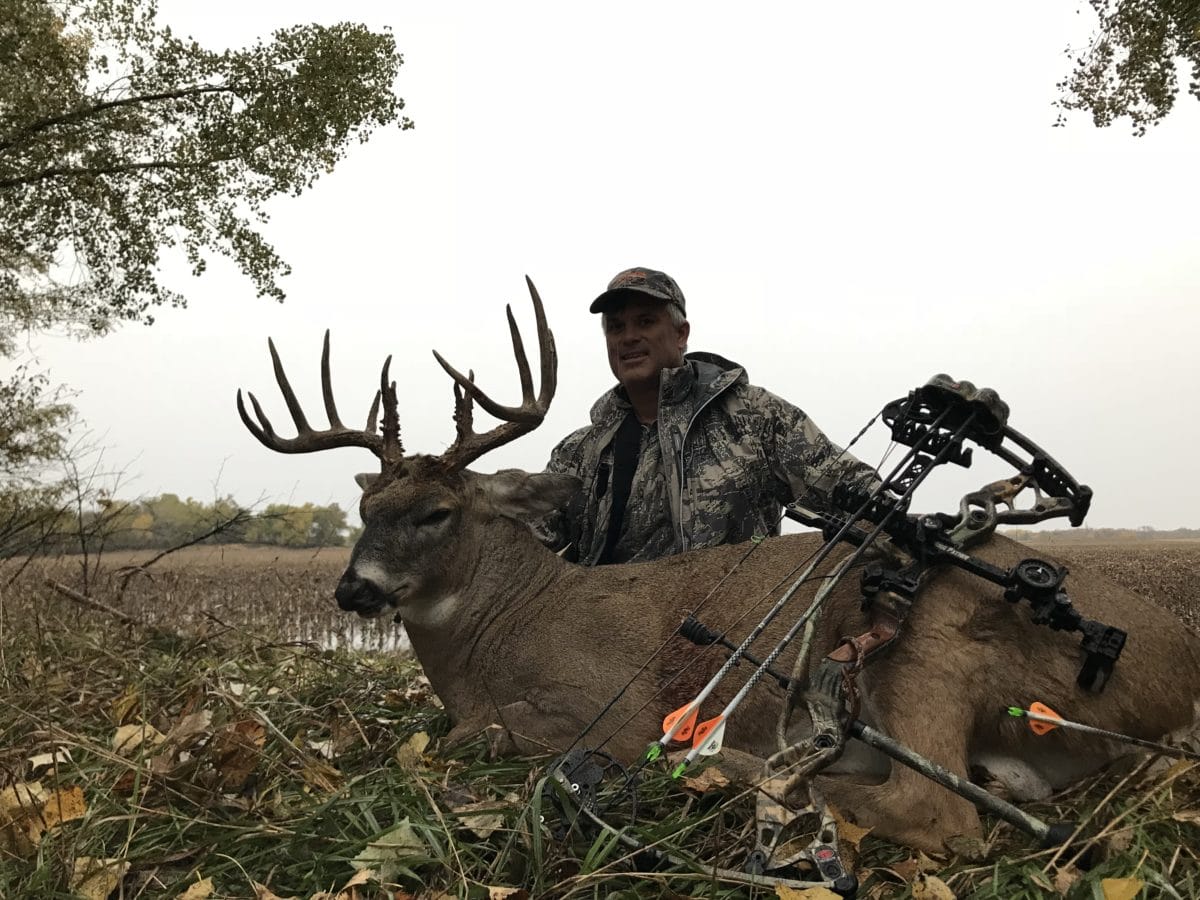
Kansas deer hunting is one of the state’s biggest draws. The combination of agriculture and cover creates ideal whitetail habitat.
Key things to know:
-
Kansas uses a permit and unit system
-
Both archery and firearm seasons are offered
-
Non-resident tags are limited and competitive
-
Private land access is common for deer hunting
Kansas deer hunting season timing varies by weapon type, so hunters often plan well in advance.
Kansas pheasant and upland bird hunting
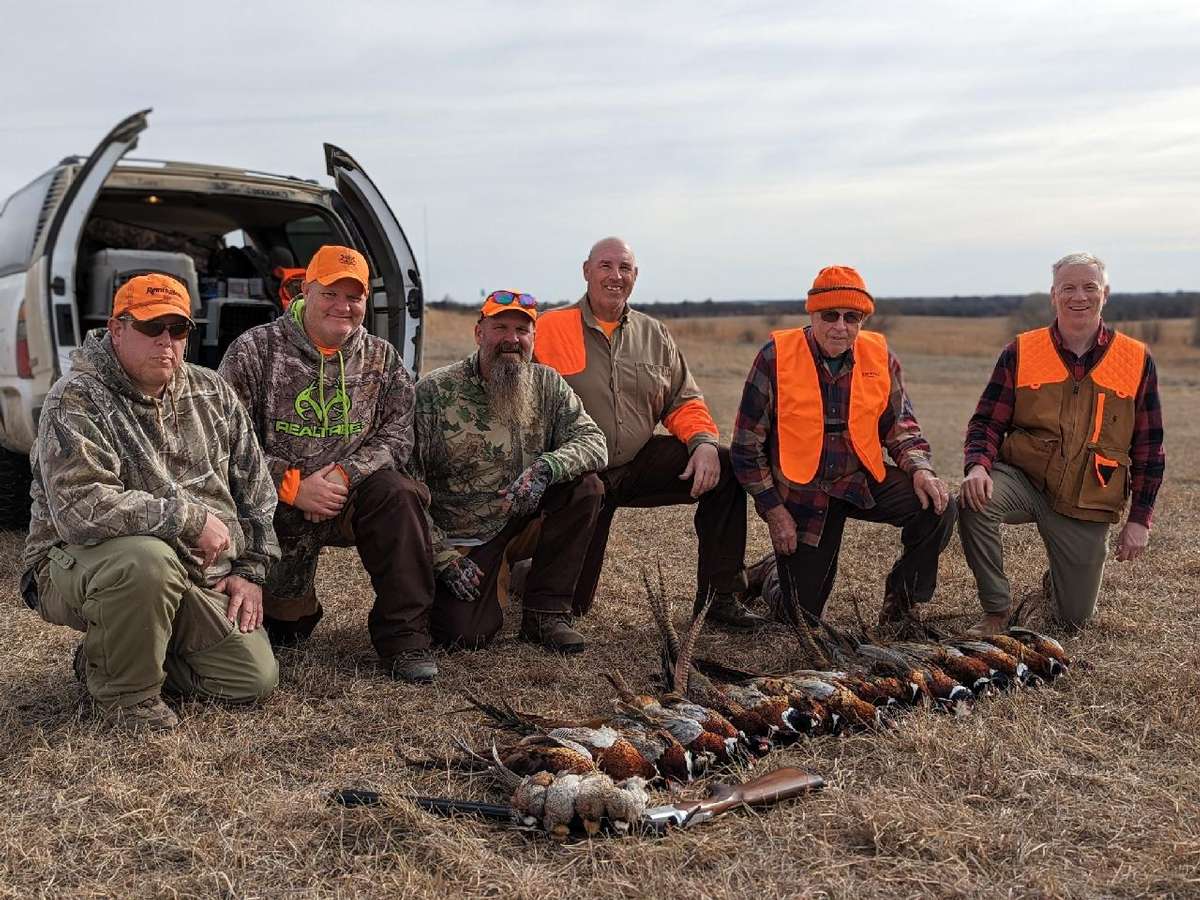
Kansas is a classic upland bird state. Pheasant hunting in particular is deeply tied to Kansas hunting culture.
Hunters are drawn to:
-
Walk-in access programs
-
Large tracts of agricultural land
-
Strong late-season bird numbers
Upland hunting is often more accessible for beginners than big game.
Kansas hunting seasons (general overview)
| Species | Typical season timing |
|---|---|
| Deer (archery) | Fall |
| Deer (firearm) | Late fall |
| Pheasant | Fall to winter |
| Quail | Fall to winter |
| Turkey | Spring and fall |
| Waterfowl | Fall through winter |
Exact dates change yearly, so always confirm current regulations before hunting.
Kansas hunting license requirements
Anyone hunting in Kansas must have the proper license and permits.
Common license types:
-
Resident hunting license
-
Non-resident hunting license
-
Species-specific permits (deer, turkey, etc.)
Non-resident hunters should pay special attention to application deadlines and unit restrictions.
Public vs private land hunting in Kansas
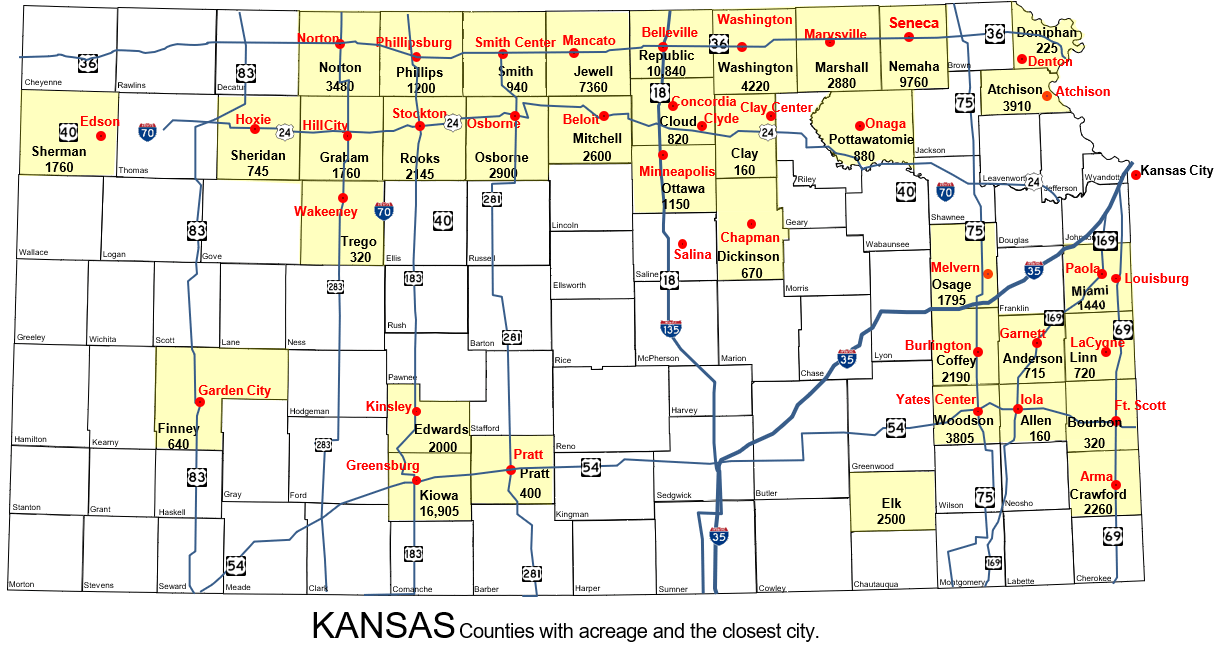
Public land
Kansas offers public hunting through wildlife areas and walk-in access programs. These lands are open but can see more pressure during peak seasons.
Private land
Much of Kansas hunting, especially deer hunting, happens on private land with permission or through guided access.
Choosing between public and private land depends on your goals, experience, and time.
Is Kansas hunting good for beginners
Yes, especially for:
-
Upland bird hunters
-
Archery deer hunters
-
Hunters who enjoy structured seasons and clear rules
Beginners benefit from starting with:
-
Walk-in access areas
-
Upland bird seasons
-
Archery seasons with less pressure
Planning your first Kansas hunting trip
Before hunting in Kansas, you should:
-
Decide which species you want to hunt
-
Check license and permit requirements
-
Choose public or private access
-
Confirm season dates and legal equipment
-
Scout or research access areas
Planning ahead makes Kansas hunting far more enjoyable.
Common mistakes hunters make in Kansas
| Mistake | Better approach |
|---|---|
| Waiting too late to apply | Plan months ahead |
| Ignoring unit rules | Study maps carefully |
| Underestimating weather | Prepare for wind and cold |
| Assuming easy access | Confirm land permissions |
Final thoughts
Kansas hunting offers a balanced mix of opportunity, tradition, and quality wildlife management. Whether you’re chasing whitetail deer, walking fields for pheasants, or planning your first out-of-state hunt, Kansas rewards hunters who prepare and respect the system.
With the right license, timing, and expectations, Kansas can provide some of the most satisfying hunts in the Midwest.
Frequently Asked Questions
What can you hunt in Kansas?
Kansas offers hunting opportunities for whitetail deer, mule deer in limited areas, pheasant, quail, turkey, and waterfowl during regulated seasons.
Do I need a hunting license to hunt in Kansas?
Yes. All hunters must have a valid Kansas hunting license, and most species require additional permits or tags based on residency and season.
When is deer hunting season in Kansas?
Kansas deer hunting seasons vary by weapon type. Archery seasons usually start earlier in the fall, followed by firearm and muzzleloader seasons.
Is Kansas hunting good for non-residents?
Yes, but non-resident hunters must apply for specific permits, especially for deer. Planning ahead is important due to limited tag availability.
Can you hunt on public land in Kansas?
Yes. Kansas offers public wildlife areas and walk-in access lands that allow hunting, though some locations may experience higher hunting pressure.
What is Walk-In Hunting Access in Kansas?
Walk-In Hunting Access is a program that opens private land to public hunting with permission, providing additional access across the state.
Is Kansas a good state for beginner hunters?
Yes. Kansas is beginner-friendly, especially for upland bird hunting and archery deer hunting, thanks to clear regulations and accessible land programs.