

Alaska brown bear hunts sit at the top of North American big game hunting. These are not casual hunts or last minute trips. They demand planning, budget clarity, physical preparation, and a solid understanding of Alaska’s laws. For hunters willing to do it right, brown bear hunting in Alaska offers unmatched opportunity and scale.
This guide breaks down everything you need to know for 2026. Seasons, regions, real prices, legal requirements, and how to choose the right hunt without guesswork.
Quick Overview for Hunters
Alaska brown bear hunts run in spring and fall depending on region and year. Non residents must hunt with a licensed Alaska guide. Most hunts cost between $25,000 and $55,000. Prime regions include the Alaska Peninsula, Kodiak Island, and Southeast Alaska. Access is typically by bush plane or boat.
When Can You Hunt Alaska Brown Bears
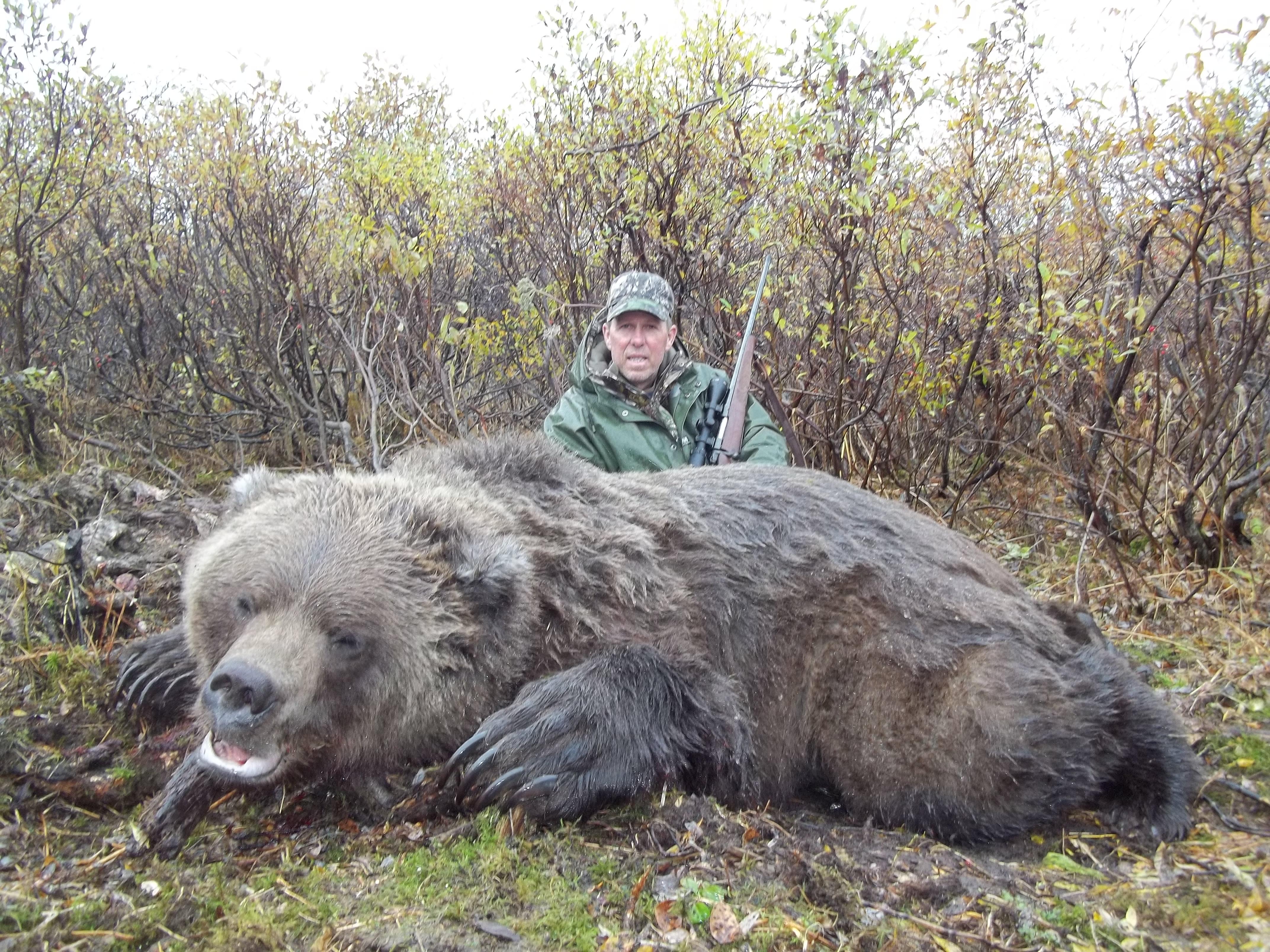
Alaska manages brown bear seasons carefully to protect mature boars and maintain healthy populations. Seasons vary by region and, in some cases, by even or odd years.
Spring Brown Bear Hunts
Spring hunts are widely considered the premier option.
-
Timing: April through May, depending on unit
-
Why spring matters: Bears emerge from dens with full winter coats
-
Target: Mature boars traveling coastlines and river systems
-
Conditions: Snow, cold, long glassing days
Spring hunts are physically demanding but produce the best hides. This is why most high end Alaska brown bear hunts take place in spring.
Fall Brown Bear Hunts
Fall hunts are more limited and region specific.
-
Timing: Late August through October
-
Bear behavior: Feeding heavily before denning
-
Hide quality: Less consistent than spring
-
Availability: Often restricted to specific units or years
On the Alaska Peninsula, fall hunts often run only in odd numbered years due to management schedules.
Top Regions for Alaska Brown Bear Hunts
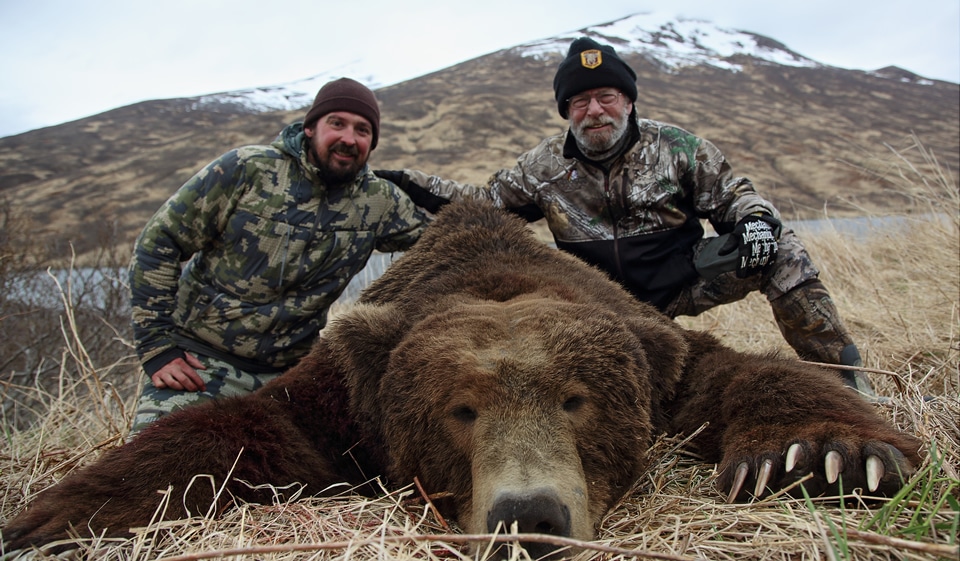
Choosing the right region matters as much as choosing the right outfitter. Each area offers a different style of hunt.
Alaska Peninsula (Unit 9)
The Alaska Peninsula holds the highest density of brown bears anywhere on the continent.
-
Known for massive coastal bears
-
Long glassing sessions along beaches and salmon streams
-
Consistently produces bears approaching the ten foot mark
-
Most hunts are spring based
This region offers the best odds for hunters focused purely on size and trophy potential.
Kodiak Island Brown Bear Hunts
Kodiak bears are famous worldwide.
-
Island ecosystem produces heavy, wide bears
-
Strictly regulated through a draw system
-
Boat based and fly in hunts are common
-
Fall Kodiak hunts typically run October to November
Kodiak Island hunts are highly sought after but limited in availability and permits.
Southeast Alaska (ABC Islands)
Southeast Alaska offers a different experience.
-
Thick rainforest terrain
-
Boat based hunts along shorelines
-
Bears are generally smaller than Peninsula or Kodiak, but still impressive
-
Wetter conditions and dense cover require patience and discipline
This region appeals to hunters who prefer coastal stalking over long tundra glassing.
Mandatory Guide Requirements for Non Residents
Alaska law is clear.
All non resident hunters pursuing brown bears must be accompanied by a licensed Alaska guide, or a qualifying resident relative within the second degree of kindred.
This rule exists for safety, ethical harvest, and wildlife management. Attempting to bypass it is illegal and can result in severe penalties, including hunt forfeiture and fines.
Licensed guides handle:
-
Legal compliance
-
Bear identification
-
Shot placement decisions
-
Trophy sealing and salvage requirements
There is no legal workaround for this requirement.
Alaska Brown Bear Hunt Prices (2026)
Brown bear hunts are among the most expensive big game hunts in North America. Costs reflect logistics, remoteness, and guide requirements.
Typical Price Ranges
| Hunt Type | Estimated Cost |
|---|---|
| Southeast Alaska Boat Based | $25,000 – $35,000 |
| Kodiak Island Hunts | $30,000 – $45,000 |
| Alaska Peninsula Spring Hunts | $40,000 – $55,000+ |
Additional Required Fees
-
Non resident hunting license is approximately $160
-
Brown bear locking tag is approximately $1,000
-
Trophy shipping, taxidermy, and tips are extra
When hunters search for “affordable Alaska brown bear hunts,” this usually means fewer amenities, shorter hunts, or less remote regions. There are no truly low budget brown bear hunts in Alaska.
What Drives the Cost of a Brown Bear Hunt
Several factors influence price more than location alone.
-
Access: Bush planes and boats significantly increase cost
-
Hunt length: Most hunts run 10 to 15 days
-
Camp style: Yacht based hunts cost more than tent camps
-
Season: Spring hunts are consistently higher priced
-
Success rate: Proven areas command premium pricing
Understanding these factors helps hunters avoid unrealistic expectations.
Hunting Methods Used in Alaska
Brown bears are not ambush animals. Most hunts rely on patience and glassing.
-
Spot and stalk: The most common and effective method
-
Coastal glassing: Watching beaches, estuaries, and streams
-
Boat based access: Used heavily in Kodiak and Southeast
-
Baiting: Legal only in specific units with strict rules
Rifles are the standard choice due to distance and reliability in coastal weather.
Choosing the Right Alaska Brown Bear Hunt
The best hunt depends on your goals, not marketing.
Choose the Alaska Peninsula if:
-
Trophy size is your top priority
-
You are physically prepared for rugged terrain
Choose Kodiak Island if:
-
You want a classic brown bear hunt
-
You are willing to navigate the draw system
Choose Southeast Alaska if:
-
You prefer boat based hunting
-
You are comfortable hunting in dense rainforest terrain
Working with a platform that understands these differences helps match hunters to the right opportunity.
Frequently Asked Questions
How much does an Alaska brown bear hunt cost?
Most hunts range from $25,000 to over $55,000 depending on location, season, and logistics.
Do non residents need a guide for brown bear hunts?
Yes. Alaska law requires all non residents to hunt brown bears with a licensed Alaska guide.
Are Kodiak brown bears bigger than mainland bears?
Kodiak bears are extremely heavy and wide, but Alaska Peninsula bears often reach greater overall size.
Is spring or fall better for brown bear hunting?
Spring is preferred for hide quality, visibility, and trophy potential.
How long does a typical brown bear hunt last?
Most guided hunts last between 10 and 15 days due to weather and bear movement.
Final Thoughts
Alaska brown bear hunts are not about shortcuts or bargains. They are about preparation, patience, and choosing the right hunt for your expectations. When done correctly, they represent one of the most demanding and rewarding pursuits in big game hunting.
For hunters looking to compare licensed outfitters, understand regional differences, and plan legally compliant hunts, platforms like Hunt Nation help simplify the process while keeping expectations realistic.