

Bear hunting is one of the most regulated and carefully managed forms of big game hunting in the world. It is also one of the most misunderstood. For some people, bear hunting raises questions about legality and ethics. For hunters, it raises practical questions about species, seasons, safety, cost, and whether guided bear hunts are necessary.
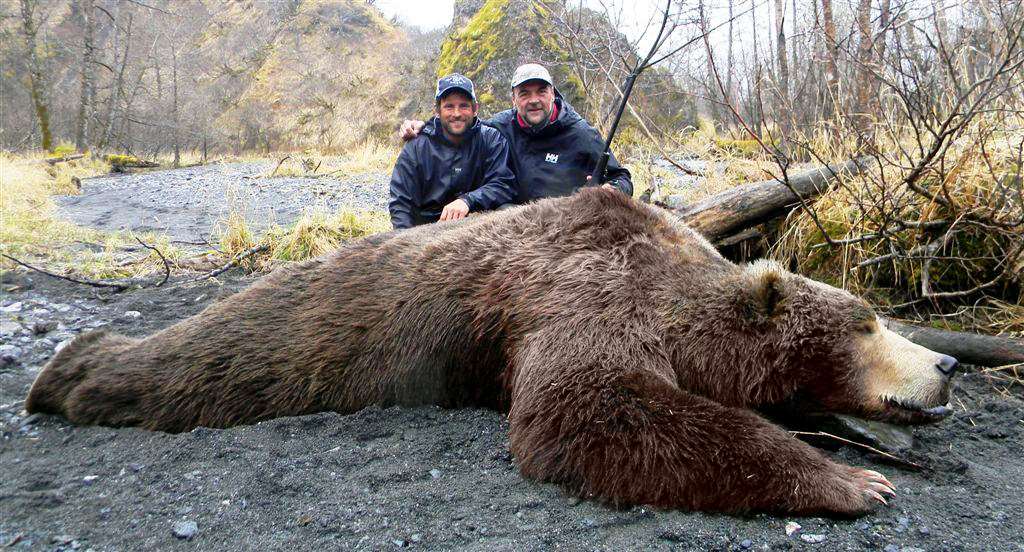
This guide explains bear hunting clearly and responsibly. It covers where bear hunting is legal, which bear species are hunted, how hunts are conducted, what they cost, and how conservation plays a central role. Whether you are researching bear hunting trips or simply trying to understand how bear hunting works, this page is designed to answer all major questions accurately and respectfully.
What bear hunting actually means
Bear hunting refers to the regulated harvest of certain bear species during approved seasons under strict wildlife management programs. It is not unregulated or opportunistic. In most regions, bear populations are monitored closely, and hunting quotas are set based on scientific data.
Bear hunting is used by wildlife agencies to:
-
Maintain balanced ecosystems
-
Reduce human-wildlife conflict
-
Support conservation funding
-
Monitor healthy population levels
Every legal bear hunt requires proper licensing and compliance with local regulations.
Bear species are commonly hunted
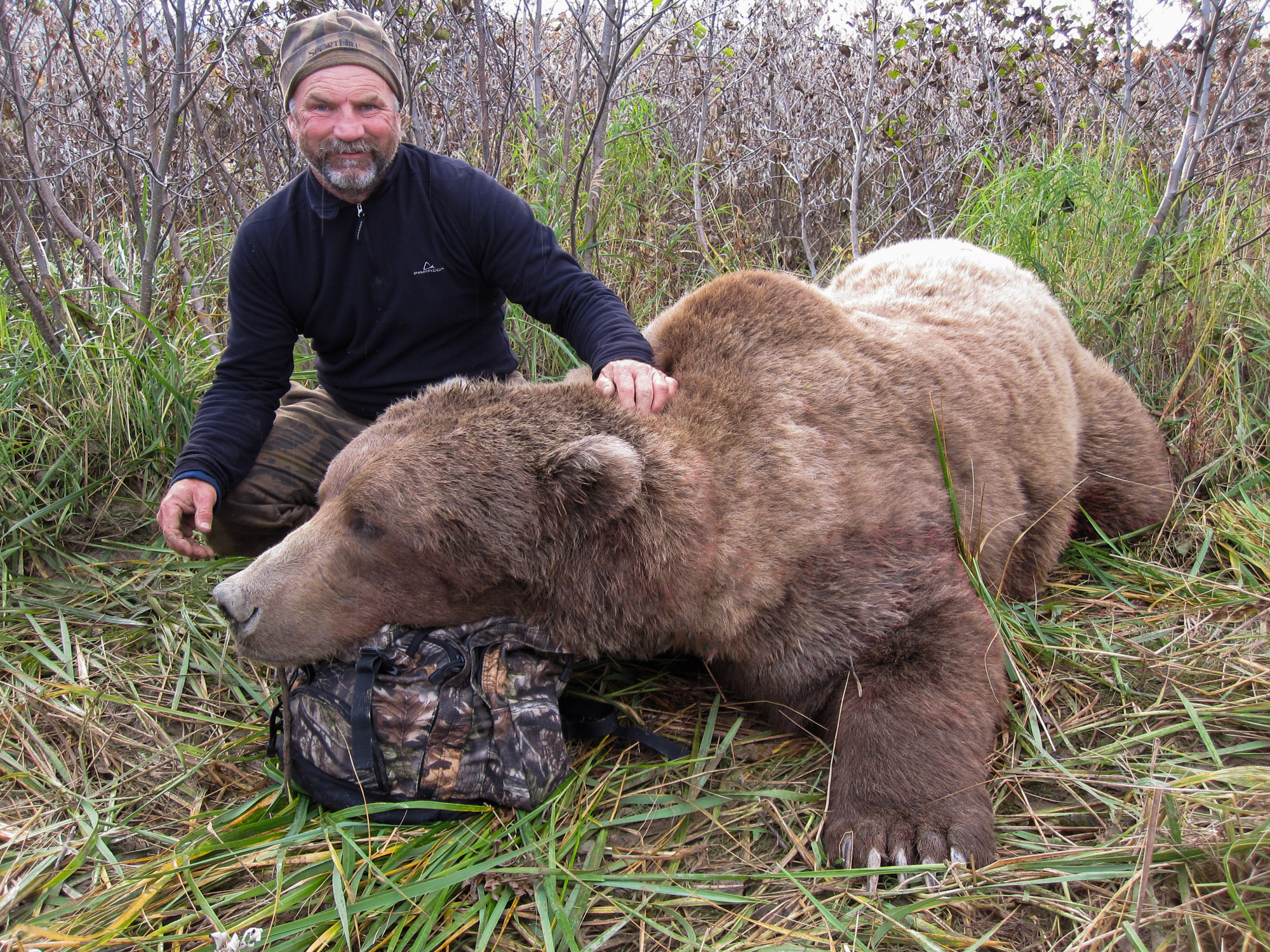
Not all bears are hunted, and not all bear species are legal to hunt.
Black bear hunting
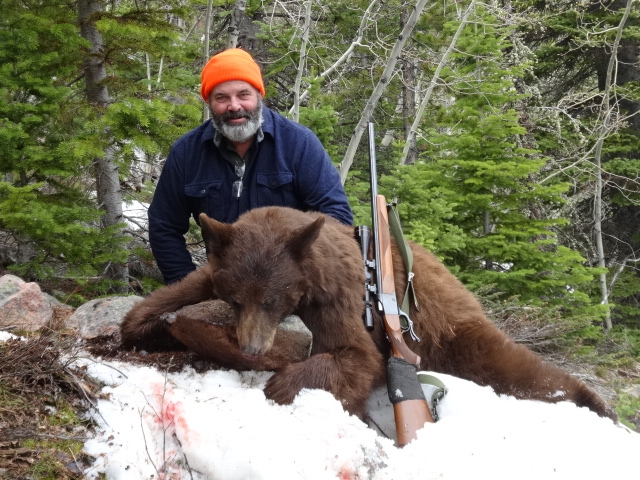
Black bears are the most commonly hunted species. They are found across much of North America and have stable populations in many states and provinces. Black bear hunting seasons are well-established and widely regulated.
Brown bear and grizzly bear hunting
Brown bears and grizzly bears are hunted only in specific regions, primarily Alaska, under very strict regulations. These hunts are limited, highly controlled, and typically guided.
Polar bear hunting
Polar bears are protected internationally. Hunting is illegal in most regions and allowed only under specific indigenous subsistence rights in limited areas. Polar bears are not part of commercial bear hunting.
Where bear hunting is legal
Bear hunting laws vary widely by location.
Bear hunting in the United States
Many U.S. states allow regulated black bear hunting, including Alaska, Wisconsin, Montana, Idaho, Maine, and others. Seasons, methods, and tag availability differ by state.
Bear hunting in Canada
Canada offers black bear and brown bear hunting in several provinces. These hunts are often guided and occur in remote wilderness areas.
Bear hunting in other countries
Bear hunting opportunities outside North America are extremely limited and subject to international law. Many regions prohibit it entirely.
Bear hunting methods and seasons
Bear hunting methods are tightly regulated and vary by region.
Common legal methods include:
-
Spot and stalk hunting
-
Baited hunting where legal
-
Calling in specific regions
-
Limited use of hounds where permitted
Seasons are typically divided into spring and fall hunts.
| Season | Characteristics |
|---|---|
| Spring bear hunting | Bears emerge from hibernation, active feeding |
| Fall bear hunting | Bears feed heavily before winter |
Spring seasons are common for black bear hunting, while fall seasons are often used to manage populations.
Guided vs DIY bear hunting
Bear hunting is one of the hunts where guided trips often improve safety and success.
DIY bear hunting
DIY bear hunts are possible in some states but require strong knowledge of bear behavior, terrain, and safety protocols. These hunts are best suited for experienced hunters with local familiarity.
Guided bear hunts
Guided bear hunts provide:
-
Local expertise
-
Safety oversight
-
Legal compliance
-
Ethical shot selection
-
Assistance with recovery
For brown bear or grizzly bear hunts, guided hunting is often mandatory.
Bear hunting prices and trip costs
Pricing depends on species, location, and hunt type.
Average bear hunting prices
| Hunt Type | Typical Price Range |
|---|---|
| Black bear DIY hunt | $1,500 to $3,500 |
| Guided black bear hunt | $3,500 to $7,000 |
| Brown/grizzly bear hunt | $15,000 to $30,000+ |
| Canadian bear hunting trips | $4,000 to $8,000 |
Prices typically do not include licenses, tags, or travel unless stated.
What is usually included in guided bear hunts
| Included | Often additional |
|---|---|
| Professional guide services | License and bear tags |
| Camp or lodge lodging | Travel to the hunt location |
| Meals during the hunt | Trophy preparation |
| Field assistance | Shipping and export fees |
Always confirm details before booking.