

The black impala is one of the rarest and most visually striking antelope species in Africa. Known for its deep dark coat and dramatic contrast markings, this animal has become one of the most sought after plains game trophies for international hunters.
If you are researching black impala hunting, trophy pricing, genetics, or safari locations, this guide provides clear and practical information designed for USA hunters planning an African safari.
What Is a Black Impala
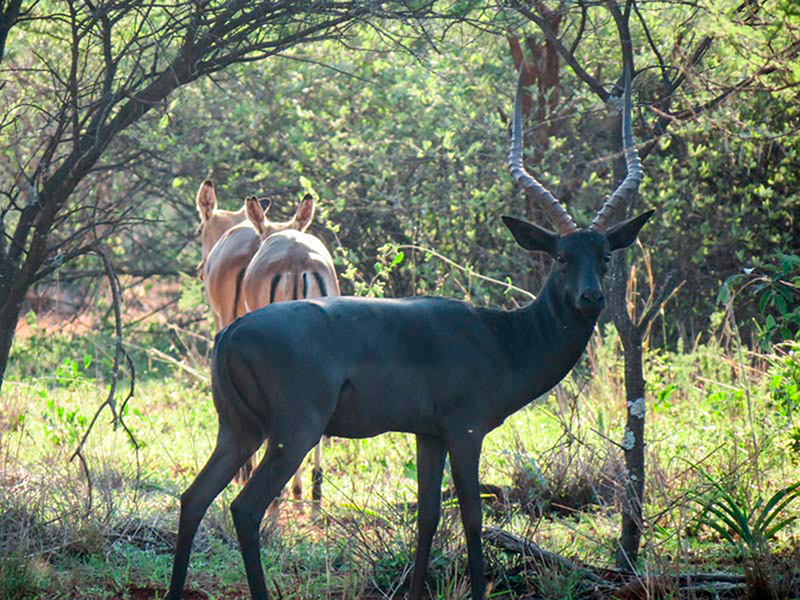
A black impala is not a separate species. It is a color variant of the common impala caused by a rare genetic mutation known as melanism.
Melanism increases dark pigmentation, resulting in a rich chocolate to jet black coat while maintaining the white facial and belly markings typical of impala.
Because this trait is genetic and rare in the wild, black impala are primarily found on managed game ranches in South Africa.
Black Impala vs Common Impala
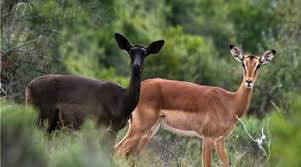
Understanding the difference helps explain the trophy value.
Common Impala:
• Tan to reddish brown coat
• Extremely abundant across southern Africa
• Considered a classic plains game species
Black Impala:
• Dark chocolate to near black coat
• Result of selective breeding programs
• Significantly rarer
• Higher trophy demand
The body size and horn structure are similar, but rarity drives value.
How Rare Is a Black Impala
In the wild, true melanistic impala are extremely uncommon.
Today, black impala populations are sustained through controlled breeding programs on private game ranches. These programs maintain the genetic trait while ensuring healthy herd management.
Because supply is limited compared to common impala, demand among trophy hunters remains strong.
Black Impala Size and Trophy Measurements
Black impala are similar in body size to common impala.
Average mature ram characteristics:
• Weight between 130 and 165 pounds
• Shoulder height around 30 to 36 inches
• Horn length typically 20 to 24 inches
Trophy quality is judged primarily by:
• Horn length
• Horn symmetry
• Horn thickness
• Overall presentation
Well developed rams with strong mass and balanced curl are highly desirable.
Black Impala Habitat
Black impala are found mainly in:
• South Africa
• Private game ranches
• Managed safari concessions
They prefer:
• Open savanna
• Bushveld
• Grassland areas with scattered cover
Their alert nature and strong herd instincts make them challenging despite moderate size.
Black Impala Hunting Season
In South Africa, plains game hunting typically runs from:
March through September
These cooler months provide:
• Better animal movement
• Comfortable weather conditions
• Improved tracking visibility
Prime rut activity often increases ram movement, offering better trophy opportunities.
Black Impala Safari Pricing
One of the most searched topics is black impala price.
Pricing varies depending on:
• Trophy quality
• Ranch location
• Safari package
• Outfitter reputation
Typical trophy fees range higher than common impala due to rarity.
Most safari packages include:
• Professional hunter services
• Field preparation
• Transportation on property
• Accommodation and meals
Additional costs may include:
• International flights
• Taxidermy
• Trophy shipping
• Rifle permits
Because this is considered a premium plains game species, pricing reflects both rarity and demand.
Why Black Impala Is a Popular Safari Trophy
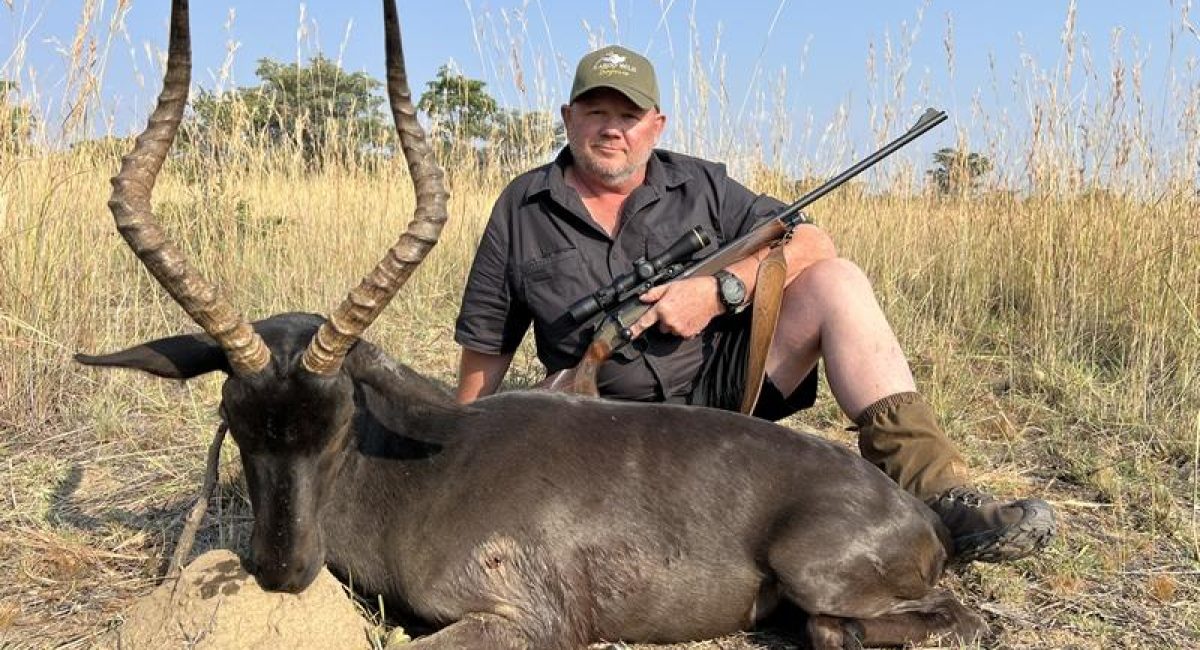
For many hunters, black impala represent:
• Unique genetics
• Distinctive appearance
• Conversation piece trophy
• Collectible plains game animal
It adds diversity to a traditional plains game safari that may also include:
• Kudu
• Gemsbok
• Blue wildebeest
• Springbok
Expert Hunting Insight
Experienced professional hunters emphasize patience when targeting black impala.
Rams are alert and often remain on the edges of herds. Shot placement is critical due to their compact frame and quick reflexes.
Broadside heart lung shots provide ethical and efficient results.
Wind awareness is just as important in African bushveld as it is in North American whitetail hunting.
Is Black Impala Hunting Ethical
Black impala are sustainably managed within regulated game ranch systems in South Africa.
Hunting operations contribute to:
• Habitat conservation
• Wildlife breeding programs
• Rural employment
• Anti poaching support
When conducted through reputable outfitters, hunts support long term wildlife management.
Planning Your Black Impala Safari from the USA
For American hunters planning an Africa trip, preparation includes:
• Valid passport
• Temporary rifle import paperwork
• Understanding trophy export regulations
• Working with a trusted safari consultant
Choosing an experienced booking partner simplifies logistics and ensures reputable outfitters.
Hunt Black Impala with Hunt Nation
If you are ready to pursue one of Africa’s most unique plains game trophies, Hunt Nation connects you with carefully vetted safari outfitters in South Africa.
Our team helps you:
• Compare trophy packages
• Understand full safari pricing
• Select trusted professional hunters
• Plan travel and documentation
Black impala hunts are limited and in high demand. Early planning ensures access to quality concessions and mature trophy rams.
Contact Hunt Nation today to begin planning your African safari experience.
Your next unforgettable trophy awaits.
Frequently Asked Questions
1. What makes a black impala different from a common impala
A black impala is a melanistic color variant of the common impala caused by a genetic mutation that increases dark pigmentation.
2. How much does a black impala hunt cost
Pricing varies by outfitter and trophy quality but is typically higher than common impala due to rarity and demand.
3. Where can you hunt black impala
Black impala are primarily hunted on managed game ranches in South Africa.
4. Are black impala naturally occurring
They occur naturally through genetic mutation but are now mostly maintained through selective breeding programs.
5. When is the best time to hunt black impala
The main plains game season in South Africa runs from March through September when cooler temperatures improve hunting conditions.