

Hunting in Africa is one of the most historic and carefully regulated forms of hunting in the world. For many sportsmen, an African hunting safari represents not just a trophy pursuit, but an opportunity to experience diverse wildlife, ancient landscapes, and conservation systems that rely heavily on sustainable use.
However, African hunting is also widely misunderstood. Questions around legality, ethics, conservation impact, and cost often create confusion. This guide explains how hunting in Africa works today, where it is legal, what animals can be hunted, and what responsible planning looks like for first-time and experienced hunters alike.
Is Hunting Legal in Africa?
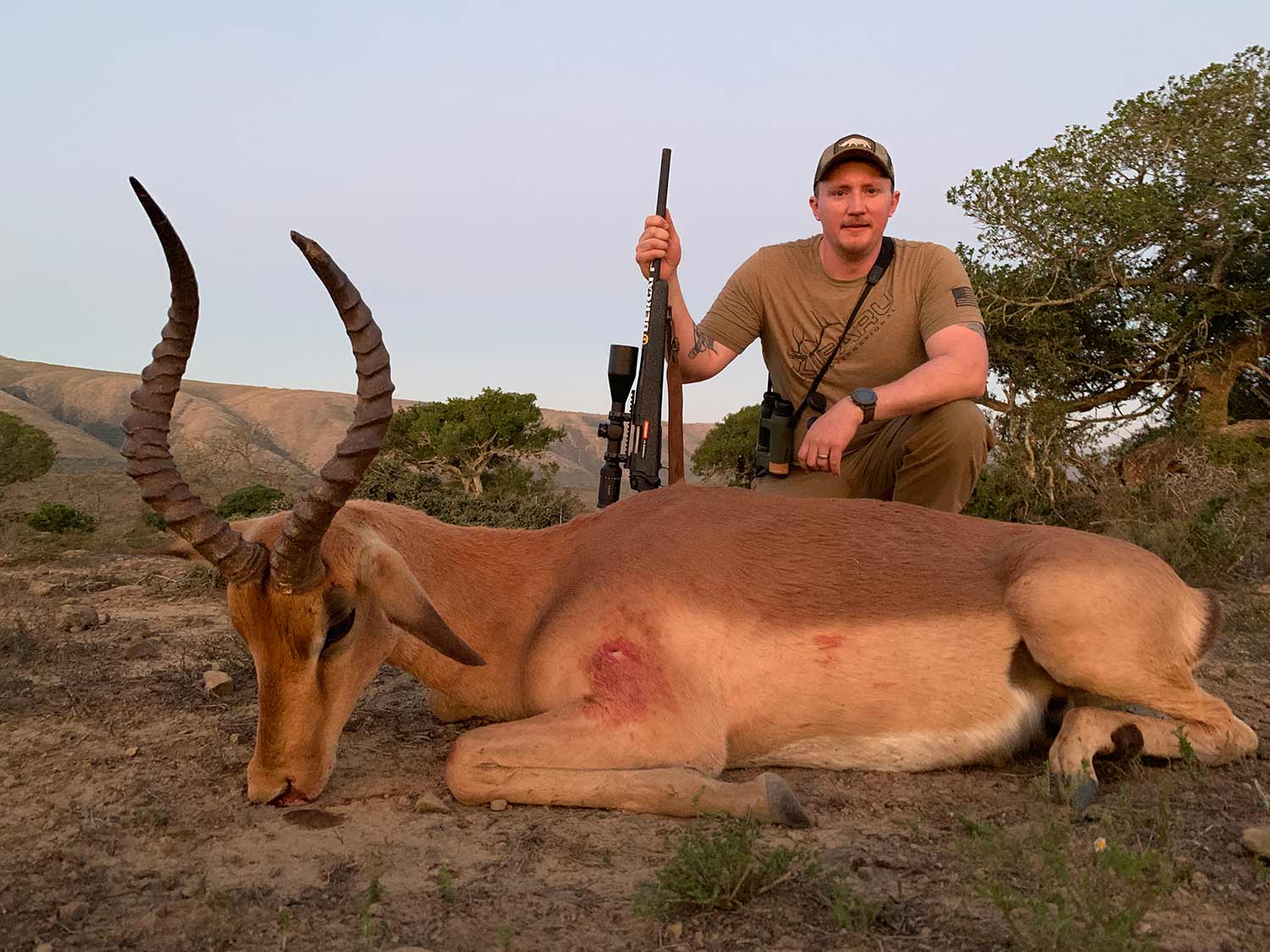
Yes, hunting is legal in several African countries, but only under strict government regulation.
African hunting operates under:
- National wildlife laws
- Annual species quotas
- Licensed outfitters and professional hunters
- International agreements such as CITES
Each country determines which species may be hunted, how many permits are issued, and how hunts must be conducted. Hunting outside these regulations is illegal and actively prosecuted.
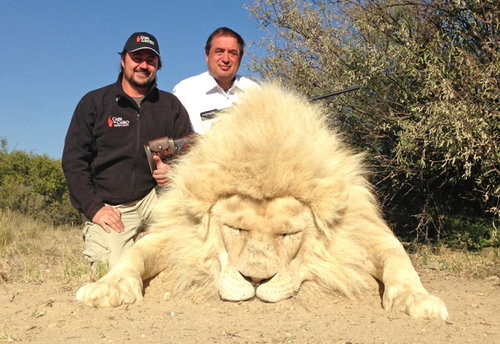
How Hunting in Africa Supports Conservation
One of the most important aspects of African hunting is its role in conservation.
When properly regulated, hunting contributes to:
- Anti-poaching programs
- Wildlife population management
- Habitat preservation
- Employment and revenue for rural communities
Trophy fees and daily rates often fund conservation areas that would otherwise be converted to agriculture or development. In many regions, regulated hunting provides a financial incentive to protect wildlife rather than eliminate it.
Countries Where Hunting in Africa Is Allowed
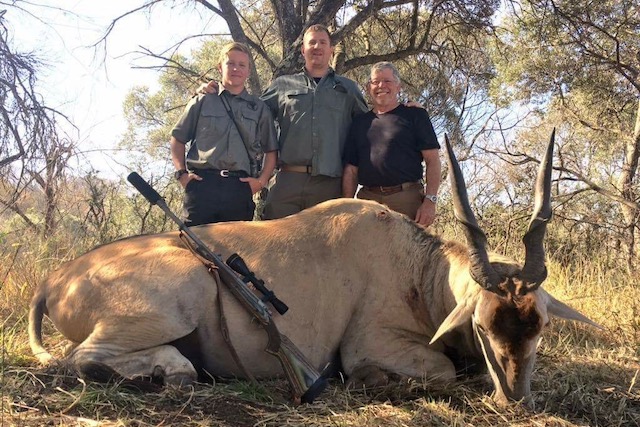
Not all African countries allow hunting. Legal hunting destinations vary by species and season.
Common countries offering regulated hunting include:
- South Africa – Known for plains game and private conservancies
- Namibia – Strong conservation model and free-range hunting
- Zimbabwe – Regulated dangerous game and plains game safaris
- Tanzania – Large wilderness concessions (subject to quotas)
- Mozambique – Remote, conservation-focused hunting areas
Each destination has unique rules, species availability, and hunting styles.
What Animals Can You Hunt in Africa?
African hunting is typically divided into two categories.
Plains Game
Plains game includes species such as:
- Kudu
- Gemsbok (oryx)
- Impala
- Wildebeest
- Zebra
- Springbok
Plains game hunts are often ideal for first-time Africa hunters due to accessibility and variety.
Dangerous Game
Dangerous game hunting is highly regulated and requires advanced experience. Species include:
- Cape buffalo
- Leopard
- Lion (where legal)
- Elephant (limited countries and quotas)
These hunts are conducted under strict professional supervision.
How Much Does Hunting in Africa Cost?
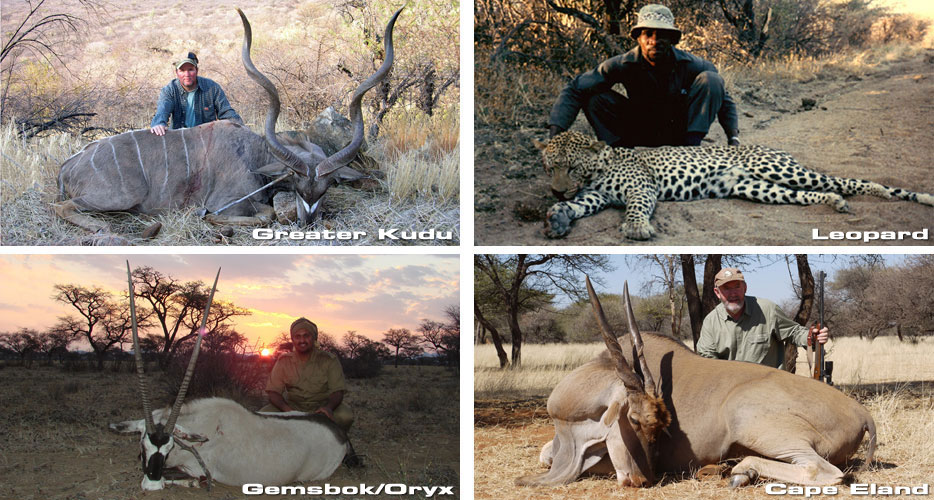
The cost of hunting in Africa varies widely depending on destination, species, and hunt length.
Typical Cost Components
- Daily rates (lodging, meals, guides)
- Trophy fees per species
- Government permits and conservation fees
- Travel, rifle import permits, and gratuities
Plains game safaris are generally more affordable, while dangerous game hunts represent a significant investment due to permits, logistics, and professional requirements.