

Kansas deer hunting has built its reputation over time, not through hype but through results. Strong genetics, quality habitat, and regulations that protect mature bucks have made Kansas one of the most consistent whitetail states in the country.
However, Kansas is also one of the easiest states to misunderstand, especially for non-resident hunters. The deer are there, but access, timing, and understanding the draw system determine whether a hunt is successful or frustrating.
This guide explains Kansas deer hunting in 2026 clearly and honestly, including season dates, non-resident draw rules, WIHA public access, unit differences, realistic costs, and what hunters should expect before applying or booking a trip.
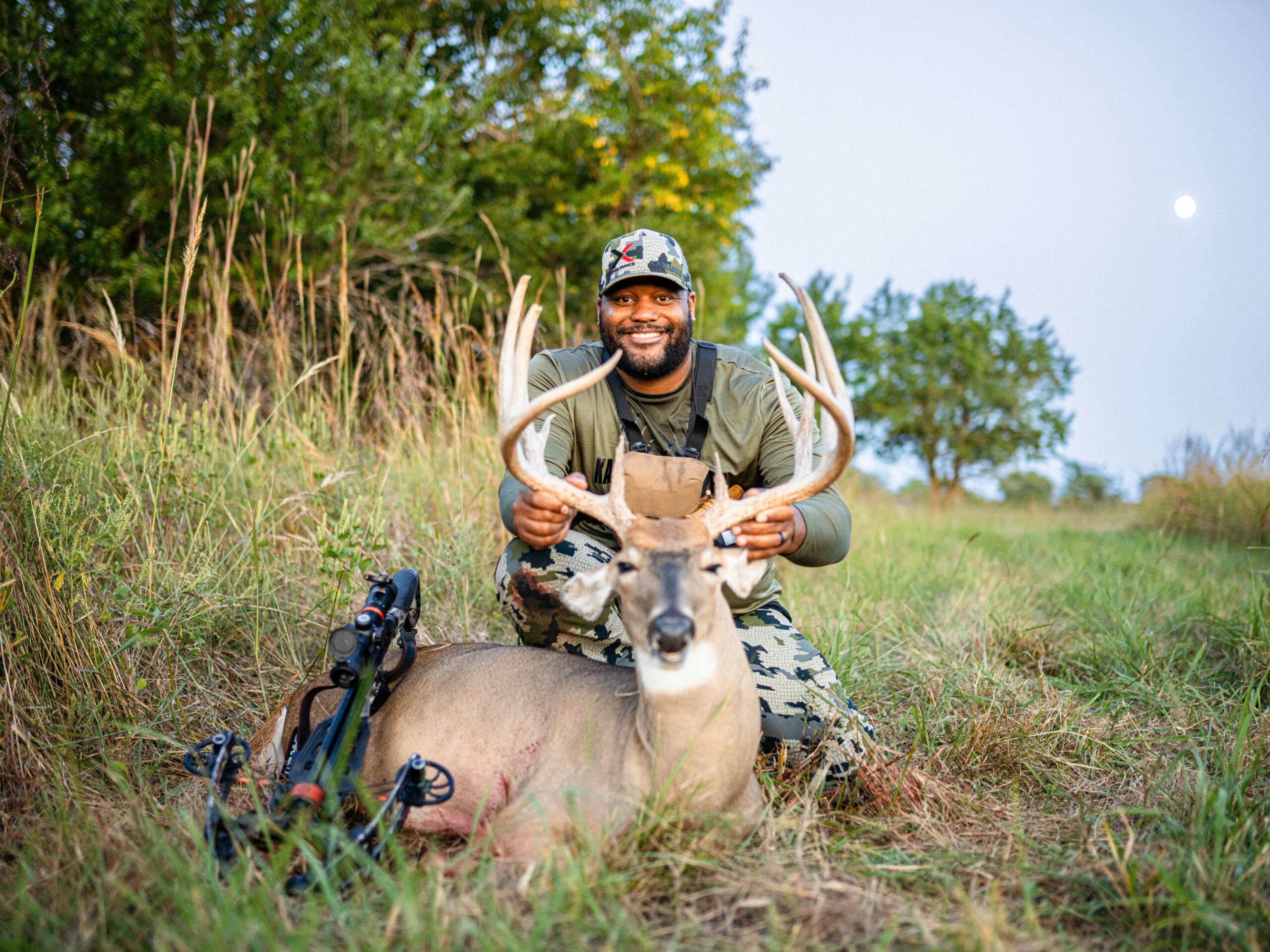
Quick Overview for 2026 Planning
Kansas deer seasons generally run from September through January, depending on weapon type and permit. Most non-residents must apply through a draw system in the spring. Kansas is predominantly private land, which makes access the most important factor in hunt success. Public access through WIHA exists, but it rewards careful planning and timing.
Kansas Deer Hunting Seasons (2025–2026)
Season dates can shift slightly from year to year, but the structure remains consistent. Always confirm final dates before traveling.
| Season Type | Typical Timing | What It Means for Hunters |
|---|---|---|
| Youth and Disability | Early September | Low pressure and predictable deer movement |
| Muzzleloader | Mid to late September | Quiet season with a strong opportunity if access is secured |
| Archery | Mid-September through late December | Longest season and peak rut activity |
| Regular Firearm | Early to mid-December | Short season with heavy pressure |
| Extended Antlerless | January in select units | Late-season food-focused hunts |
Archery season offers the most flexibility, while firearm season can be effective with solid private land access.
Kansas Deer Tags and the Non-Resident Draw System
All hunters must hold a valid Kansas hunting license and an appropriate deer permit.
Non-Resident Deer Draw Explained
Non-resident hunters apply through a limited draw system, typically during an April application window. Planning is critical, as missing the application period means missing the season entirely.
Kansas uses a preference point system that allows hunters to build points if they are not successful or choose not to hunt in a given year. Points can usually be purchased during the application period.
Non-resident hunters should budget for:
- A Kansas non-resident hunting license
- A non-resident deer permit
- Possible additional antlerless permits, depending on unit and availability
Why the One-Buck Rule Matters
Kansas enforces a one-buck rule statewide, allowing each hunter to harvest only one antlered deer per season.
This rule:
- Protects young bucks
- Encourages older age classes
- Maintains long-term herd quality
It is one of the main reasons Kansas consistently produces mature whitetails.
Kansas Deer Hunting Public Land: The Reality
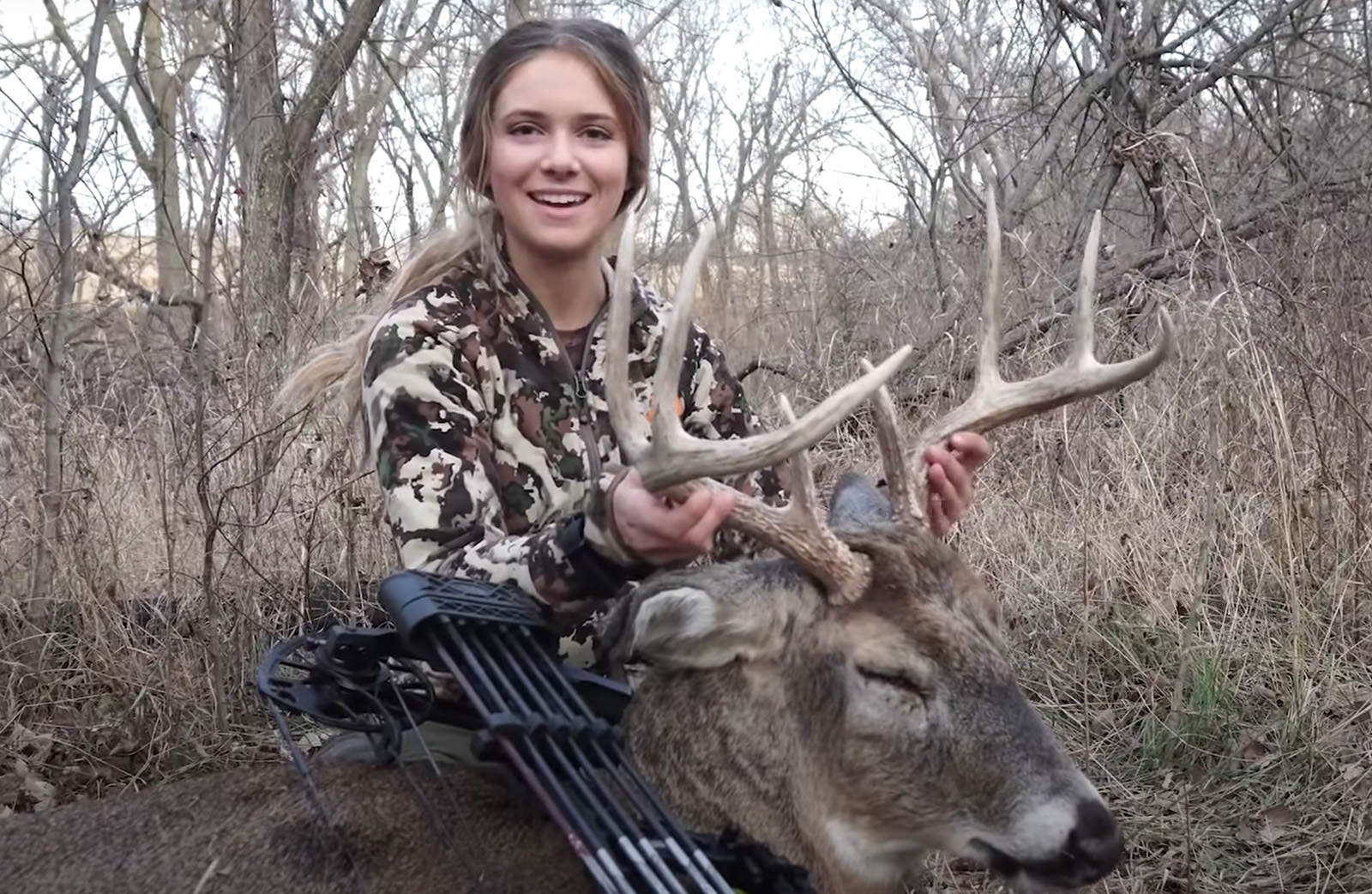
Kansas is approximately 97 percent private land. While public hunting opportunities exist, they are limited compared to those in many western states.
WIHA (Walk-In Hunting Access)
The WIHA program allows hunters to access private land enrolled by landowners. These properties are open to public hunting during designated periods.
WIHA can be productive, but success depends on:
- Avoiding heavily pressured parcels
- Hunting midweek rather than weekends
- Walking beyond obvious access points
- Identifying travel corridors rather than open field edges
WIHA is not a shortcut, but it can work for hunters willing to put in effort.
Kansas Deer Hunting Costs: What Hunters Really Spend
Cost depends primarily on access and hunt style.
| Hunt Type | Typical Total Cost Range |
|---|---|
| DIY Public Access (WIHA) | $1,000 – $2,000 |
| DIY with Private Permission or Lease | $2,000 – $3,500 |
| Guided Private Land Hunt | $4,000 – $6,500 |
| Premium Trophy Hunts | $7,000+ |
DIY hunts are affordable but unpredictable. Guided hunts cost more but remove the access challenge.
Check Also: Kansas Hunting: Seasons, Licenses, Species, and What to Know Before You Go
Kansas Deer Hunts Under $2,000
Hunting in Kansas under $2,000 is realistic if:
-
You drive instead of flying
-
You use WIHA or secure permission
-
You manage food, lodging, and scouting yourself
These hunts are best suited for meat-focused or opportunity-driven hunters rather than those targeting top-end trophy bucks.
Kansas Deer Units and Regional Differences
Kansas does not have poor deer habitat, but terrain and hunting style vary by region.
Eastern Kansas
- Heavier timber and creek bottoms
- Stand and blind hunting
- Consistent deer movement
Central Kansas
- Balanced mix of cover and agriculture
- Strong travel corridors
- Popular with trophy-focused hunters
Western Kansas
- More open terrain
- Wind plays a larger role
- Occasional mule deer overlap
Unit selection matters, but quality access matters more than the unit name.
Kansas Muzzleloader Season
Muzzleloader season is often overlooked, but can be productive. Pressure is lower than firearm season, and deer patterns remain consistent in early fall.
This season works best for hunters with private access or well-scouted WIHA parcels.
Kansas Deer Hunting Outfitters and Guides
Because of limited public land, many non-resident hunters choose to work with outfitters.
Outfitters typically provide:
- Legal private land access
- Pre-scouted properties
- Stands or blinds
- Local knowledge of deer movement
Guided hunts do not guarantee a deer, but they significantly improve access and efficiency.
Common Questions About Kansas Deer Hunting
Can non-residents hunt deer in Kansas?
Yes. Non-residents must apply through the Kansas deer draw and secure a permit before hunting.
When is the Kansas deer hunting season?
Kansas deer hunting typically runs from September through January, depending on weapon type and permit.
Is Kansas mostly private land?
Yes. The vast majority of Kansas land is privately owned, making access the biggest challenge.
Can you hunt Kansas deer for under $2,000?
Yes, through DIY hunts using WIHA or private permission, but expectations should match the budget.
Why does Kansas produce so many trophy whitetails?
Strong habitat, moderate pressure, and the one-buck rule allow deer to reach older age classes.
Final Thoughts
Kansas deer hunting rewards preparation and patience. It is not a state where hunters can arrive without a plan and expect success. Those who understand the draw system, secure access early, and hunt with realistic expectations consistently have better outcomes.
Whether you choose a DIY hunt or work with an outfitter, understanding how Kansas works is the key to making the most of your season.