

Moose hunting is not a casual decision. It is one of the most demanding big game hunts in North America and often the most rewarding. The size of the animal, the remote environments they live in, and the logistics involved after a successful harvest make moose hunting very different from deer or elk hunts.
If you are researching moose hunting, you are likely trying to understand where to go, how much it costs, how difficult it is, and whether a guided hunt makes sense. This guide answers those questions honestly and clearly, based on real hunting conditions in Alaska, Canada, and Maine.
Why Moose Hunting Requires Serious Planning
Moose are large, powerful animals that live in wetlands, river bottoms, tundra, and thick forests. Harvesting one is only the beginning. Meat care must happen immediately; weather can change fast, and recovery often requires teamwork and experience.
This is why moose hunting success depends more on preparation and logistics than on luck. Choosing the right destination and hunt style matters.
Moose Hunting Destinations Explained
Moose Hunting In Alaska
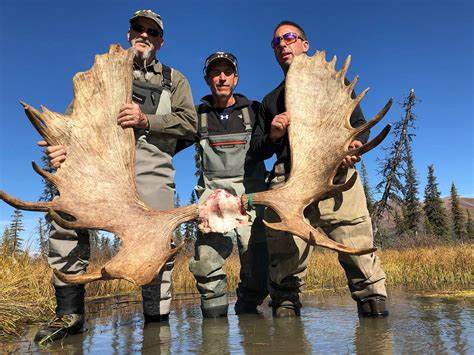
Alaska is considered the premier destination for moose hunting. The Alaska Yukon moose is the largest subspecies in the world and offers unmatched trophy potential.
Most Alaska moose hunts are guided and accessed by bush plane or river systems. Float hunts are common, and calling during the rut plays a major role in success. These hunts are physically demanding and require comfort with remote camps and unpredictable weather.
Alaska moose hunts are ideal for hunters looking for a true wilderness experience and willing to invest in a once-in-a-lifetime trip.
Moose Hunting In Canada
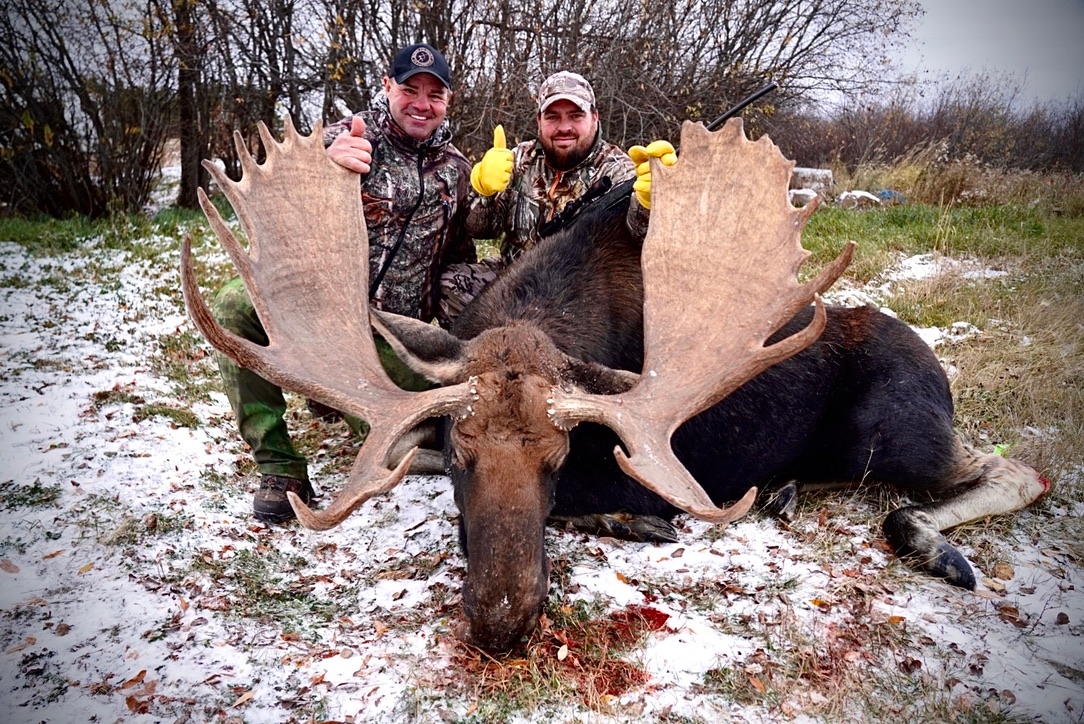
Canada offers excellent moose hunting across several provinces, including British Columbia, Yukon, Alberta, and Newfoundland.
Canadian hunts often take place in regulated guide areas that limit pressure and improve consistency. Terrain varies from mountainous regions to forested lowlands. These hunts tend to be less extreme than Alaska while still providing remote and authentic experiences.
Canada is a strong option for hunters seeking high success rates with more flexible pricing.
Maine Moose Hunting
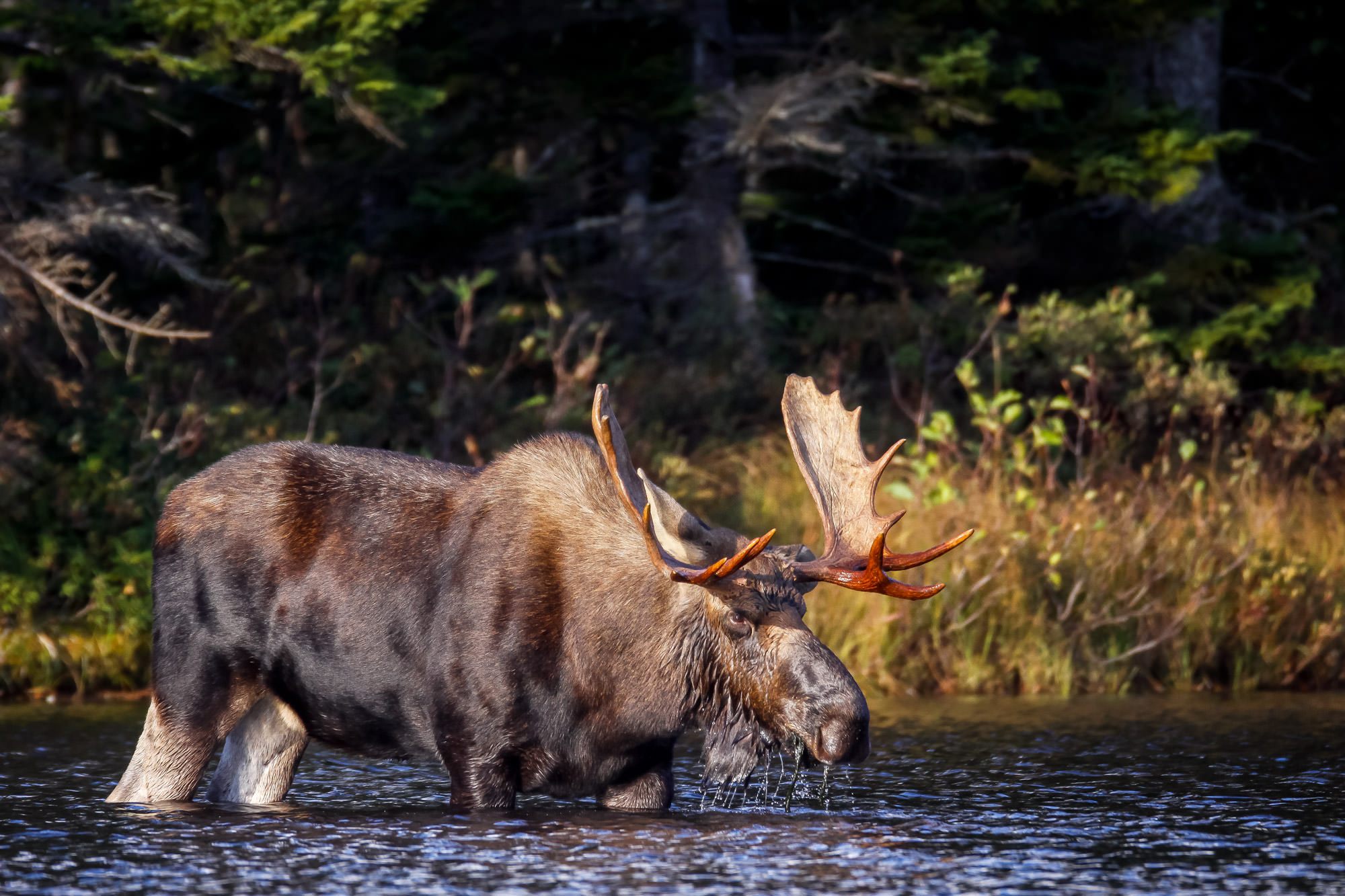
Maine is the only Lower 48 state with a well-established moose hunting program. Hunts are permit-based and often guided.
The terrain is heavily wooded, hunts are shorter, and physical demands are lower compared to Alaska or western Canada. Maine moose hunting is an excellent introduction for first-time moose hunters or those wanting a more controlled environment.
Moose hunt prices explained
Pricing varies widely depending on location, access, and hunt style. Below are realistic price ranges for guided moose hunts.
Average guided moose hunt prices
| Location | Typical Price Range |
|---|---|
| Alaska moose hunt | $18,000 to $35,000 |
| Canada moose hunt | $7,000 to $18,000 |
| Maine moose hunt | $6,000 to $12,000 |
Prices reflect guided hunts and do not always include licenses, travel, or meat processing.
What is usually included in moose hunt pricing
| Commonly included | Often additional |
|---|---|
| Professional guide services | Hunting licenses and tags |
| Camp lodging and meals | Flights or charter transport |
| Field care for meat | Meat processing and shipping |
| Local transportation | Trophy preparation and export |
Always confirm inclusions before booking to avoid surprises.
Guided versus unguided moose hunting
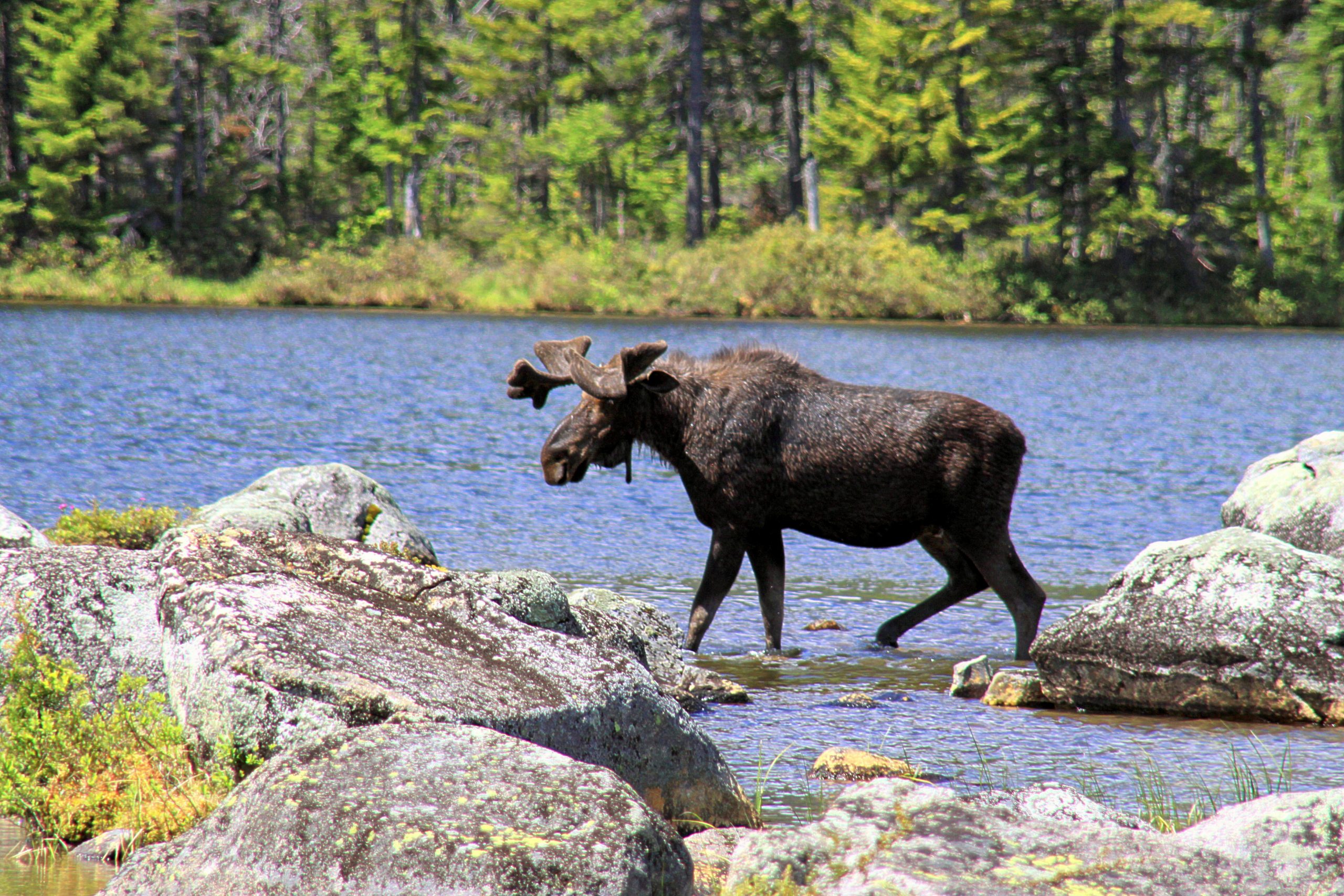
Moose hunting is one of the few hunts where guided trips significantly improve safety and success.
Unguided moose hunting
Unguided hunts require permits, access to legal hunting areas, experience with large-animal recovery, and strong logistical planning. These hunts are best suited for highly experienced hunters with local knowledge.
Guided moose hunting
Guided moose hunting trips provide local expertise, established camps, and proper recovery systems. For Alaska and most Canadian hunts, guided trips are strongly recommended, especially for first-time moose hunters.
Physical difficulty by destination
| Location | Physical demand | Explanation |
|---|---|---|
| Alaska | High | Remote terrain and heavy recovery |
| Canada | Moderate | Varies by region and hunt style |
| Maine | Low to moderate | Shorter hunts and forest terrain |
Choosing a hunt that matches your physical ability improves both enjoyment and results.
Best time of year for moose hunting
| Season period | What to expect |
|---|---|
| Late September to early October | Peak rut and best calling |
| Mid October | Less vocal bulls and colder weather |
| Early season | Lower movement and response |
Timing often matters more than the exact location.
What defines a successful moose hunt
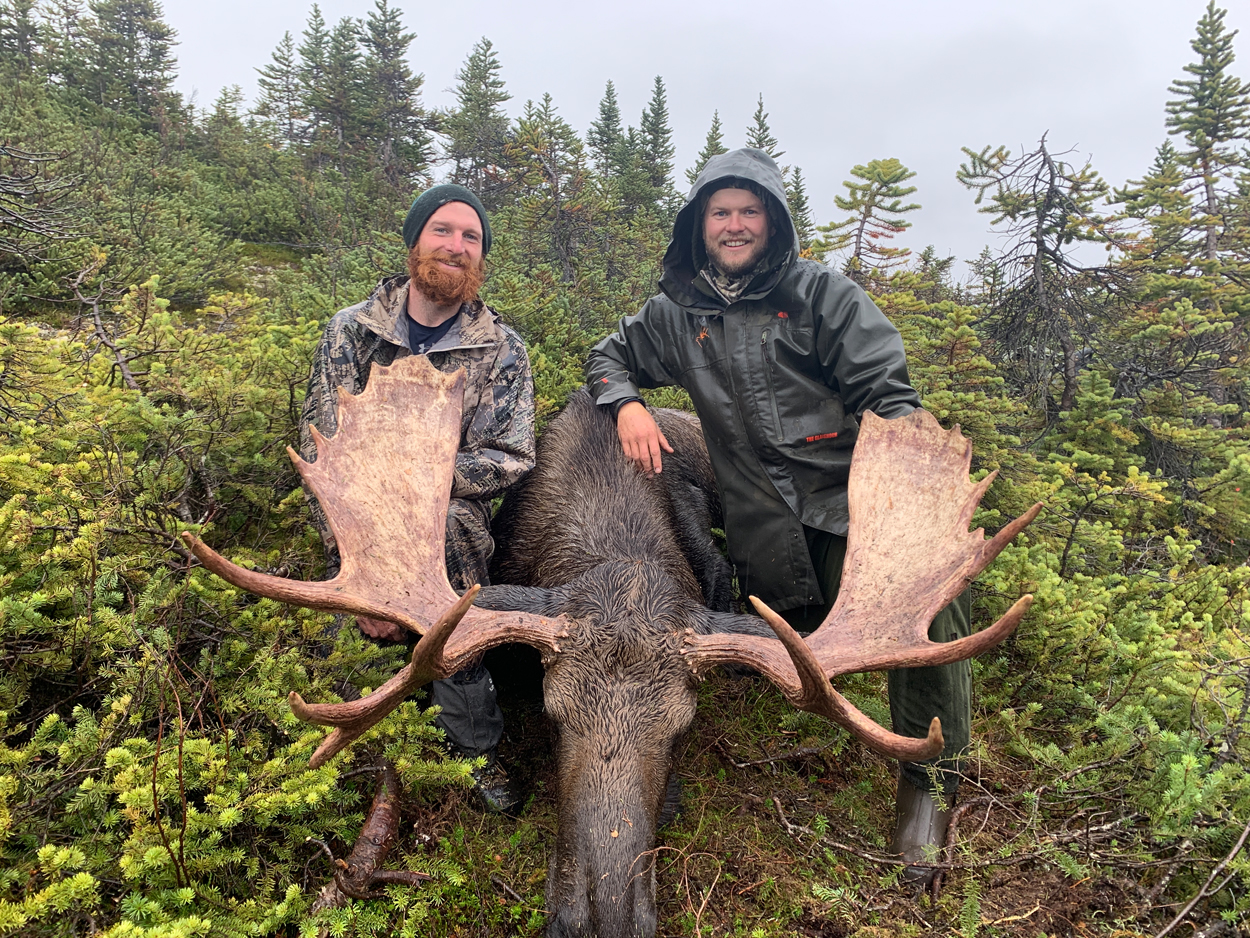
Success is not only measured by antlers. A successful moose hunt includes ethical harvest, proper meat care, safe recovery, and compliance with regulations.
Hunters who prepare properly and work with experienced professionals often enjoy the experience even when conditions are challenging.
Why hunters work with Hunt-Nation for moose hunting trips
Hunt-Nation operates as a hunting consultant rather than an outfitter. Their role is to match hunters with vetted outfitters based on goals, experience level, and budget.
With more than 25+ years in the industry and access to hundreds of outfitters worldwide, Hunt-Nation helps hunters avoid mismatches, unrealistic expectations, and costly mistakes, especially on complex hunts like moose hunting.
Common questions about moose hunting
Is moose hunting dangerous?
With proper planning and guidance, moose hunting is safe. Most risk comes from terrain, weather, and recovery challenges.
Can beginners hunt moose?
Yes. Guided hunts in Maine and Canada are suitable for first-time moose hunters.
Is Alaska the best place to hunt moose?
For trophy size and wilderness experience, Alaska leads. For affordability and accessibility, Canada or Maine may be better options.
How long does a moose hunt last?
Most guided moose hunts last between seven and fourteen days.
Final thoughts
Moose hunting requires commitment, preparation, and respect for the animal and the environment. When done correctly, it becomes one of the most rewarding experiences a hunter can have.
If you are planning a moose hunting trip and want help choosing the right destination, pricing, or outfitter, working with experienced professionals can make the journey far smoother and far more enjoyable.