Wild turkey hunting is one of the most engaging and skill-driven forms of hunting in North America. It requires patience, sharp observation, and the ability to adapt to highly aware birds that rely on keen eyesight and acute hearing to survive. Unlike many other game species, turkeys demand interaction from the hunter, especially during the spring season when calling and positioning play a decisive role.
This guide is written for hunters who want real, usable information. It covers wild turkey hunting seasons, behavior, proven tactics, calling strategies, gear considerations, and the key differences between spring and fall hunting. Whether you are preparing for your first turkey hunt or looking to improve consistency, this resource is designed to help you hunt smarter and more effectively.
Understanding Wild Turkey Behavior
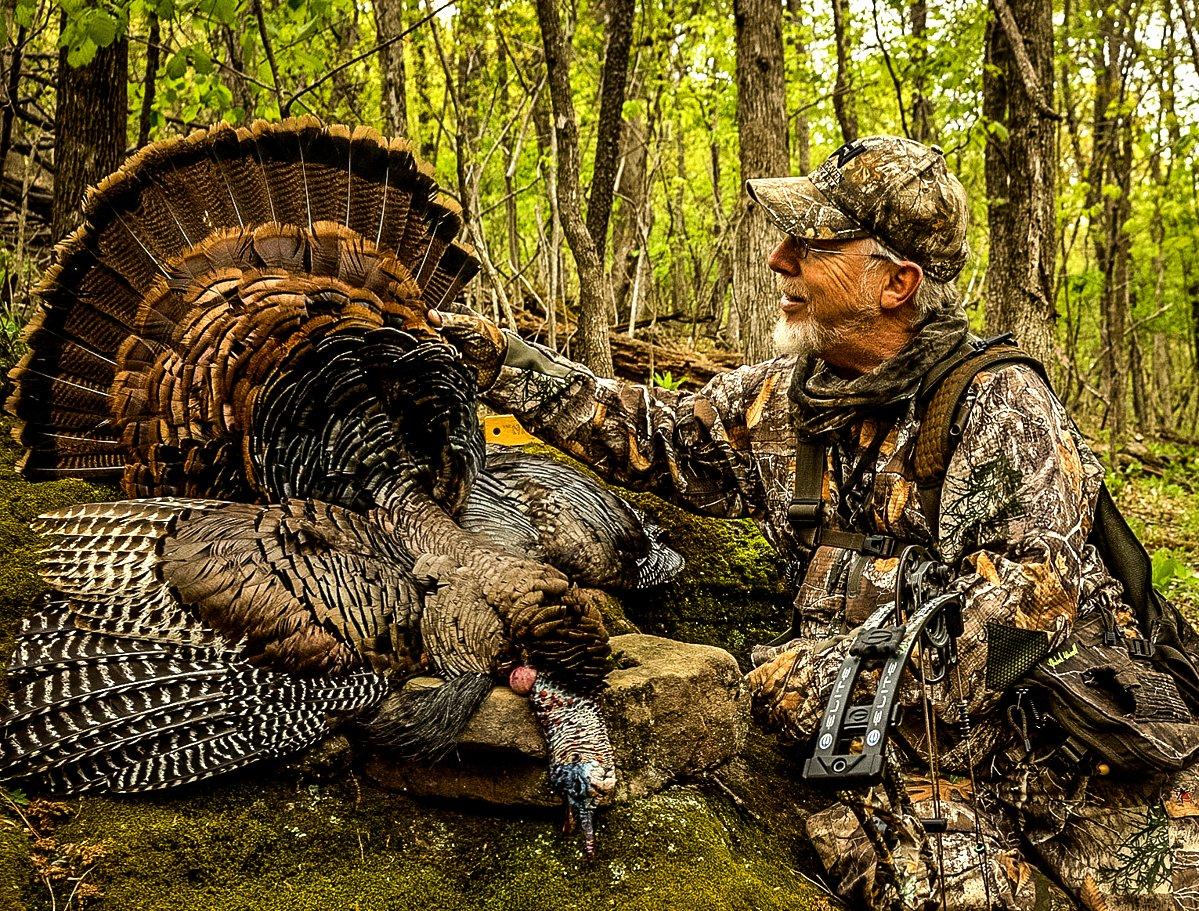
Successful wild turkey hunting starts with understanding how turkeys think and move. Turkeys rely heavily on eyesight and hearing. They can spot movement quickly and often detect subtle sounds that hunters overlook. Because of this, concealment, stillness, and positioning matter more than aggressive movement.
Turkeys spend much of their day traveling between roosting areas, feeding zones, and strutting or loafing areas. They prefer open woods, field edges, ridgelines, and areas where visibility allows them to detect danger early. Recognizing these movement patterns helps hunters choose better setups and avoid unnecessary repositioning.
Wild Turkey Hunting Seasons Explained
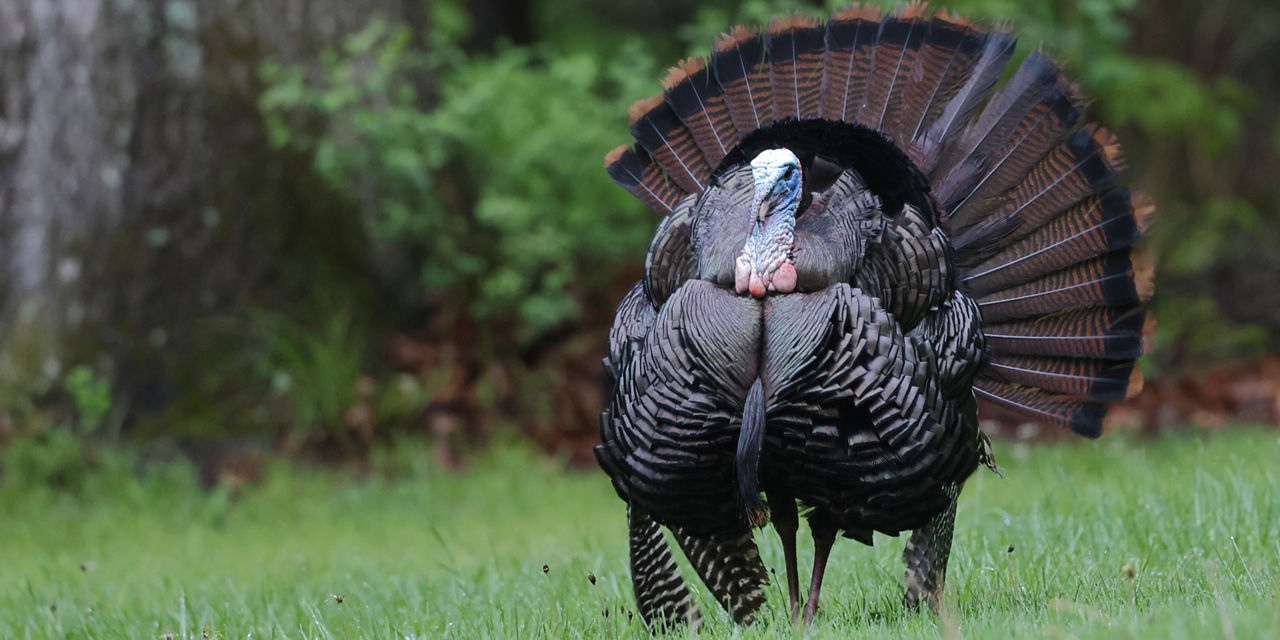
Wild turkey hunting seasons are typically divided into spring and fall, and each season requires a completely different approach.
Spring Wild Turkey Hunting
Spring turkey hunting is the most popular and widely practiced season. During this time, hunters target gobblers that are actively seeking hens. Calling is a central part of spring hunting, as gobblers respond to hen vocalizations and may approach aggressively.
Spring hunts focus on:
-
Roosted birds in the early morning
-
Calling strategies to draw gobblers into range
-
Careful setup and patience
Spring turkey hunting rewards hunters who understand when to call, when to stay quiet, and how to let a gobbler make the final move.
Fall Wild Turkey Hunting
Fall turkey hunting is less about calling and more about patterning birds. Turkeys are often found in flocks, and the goal is to intercept them along feeding or travel routes.
Fall hunts focus on:
-
Scouting feeding areas
-
Ambush-style setups
-
Understanding flock behavior
While fall hunting can be more challenging, it appeals to hunters who enjoy strategic planning and woodsmanship.
How to Hunt Wild Turkeys Effectively
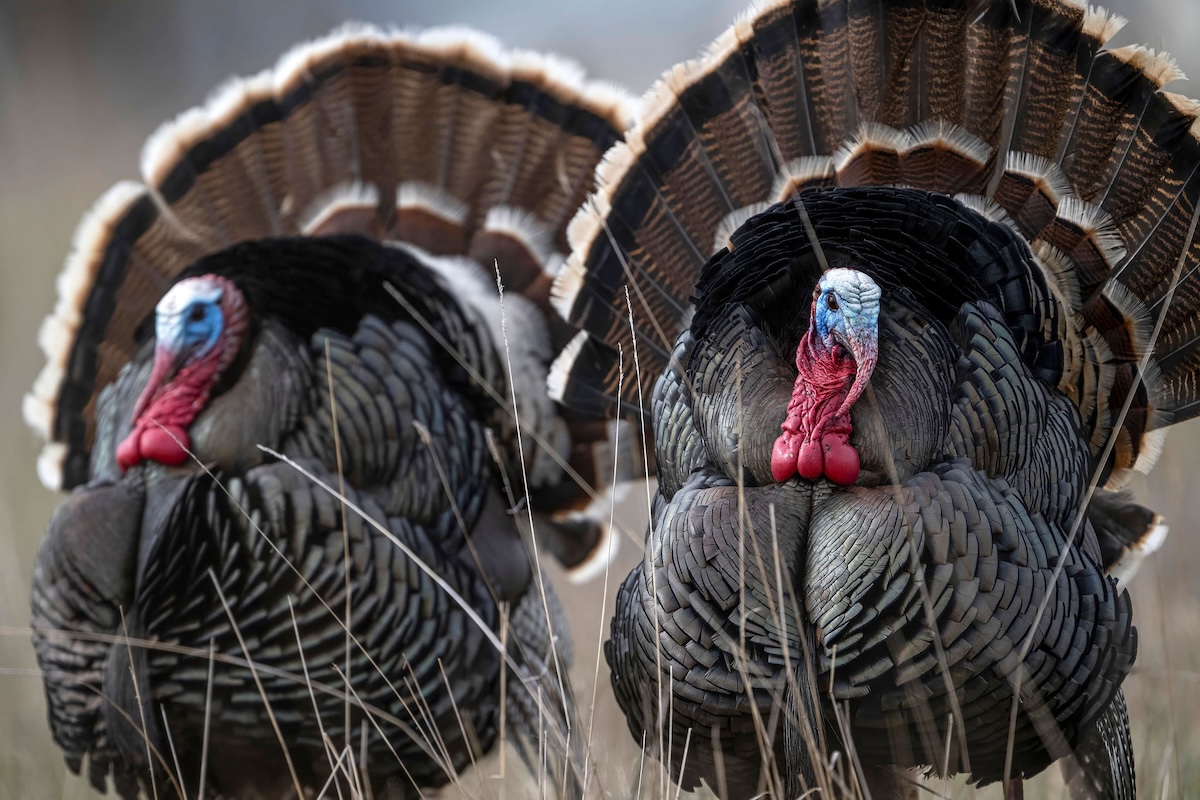
Wild turkey hunting is not about covering ground quickly. It is about putting yourself in the right place and letting the birds work toward you.
Scouting is critical. Before the season, look for tracks, droppings, feathers, dusting areas, and roost trees. Listening at dawn or dusk can reveal where turkeys are roosting or traveling.
When setting up, choose a position that offers good visibility while breaking up your outline. Sitting against a wide tree or natural cover helps prevent being silhouetted. Always assume a turkey can see you, even when you think you are concealed.
Movement should be slow and deliberate. Many hunts are lost not because a hunter was in the wrong place, but because of unnecessary movement at the wrong time.
Turkey Calling Basics and Strategy
Calling is one of the defining elements of wild turkey hunting, especially in spring.
Common turkey calls include:
-
Yelps to locate or attract gobblers
-
Clucks and purrs for subtle communication
-
Cuts for aggressive calling when birds are responsive
The biggest mistake many hunters make is overcalling. Calling should match the bird’s behavior. If a gobbler is responding and moving closer, calling less often can be more effective. If a bird goes silent, it does not always mean it has left; often it is approaching quietly.
Understanding when to call and when to remain silent separates successful turkey hunters from frustrated ones.
Where to Shoot a Wild Turkey
Shot placement is critical for ethical and effective harvests. With shotguns, the goal is to place the pattern at the base of the neck where the feathers meet the head. This area offers a high likelihood of a clean, quick harvest.
Patience is important. Please wait for the bird to stretch its neck or stand upright. Rushed shots often result in poor outcomes or missed opportunities.
Gear Considerations for Wild Turkey Hunting
Wild turkey hunting does not require excessive gear, but the right equipment makes a significant difference.
Camouflage that matches the terrain is essential, including gloves and face coverings. Comfortable seating, such as a cushion or turkey vest, helps maintain stillness during long sits.
Shotgun selection should prioritize pattern consistency. Hunters should pattern their shotgun before the season to understand effective range and shot placement.
Calls should be practiced before the hunt. Confidence in your calling reduces unnecessary movement and increases effectiveness.
Hunting Wild Turkeys on Public Land
Public land turkey hunting can be highly rewarding but often comes with increased pressure. Scouting becomes even more important, as birds may alter behavior due to hunting activity.
Hunting midweek, exploring less obvious access points, and setting up away from popular areas can improve success. Safety awareness is also critical on public land, particularly during the spring season.
DIY vs Guided Wild Turkey Hunting
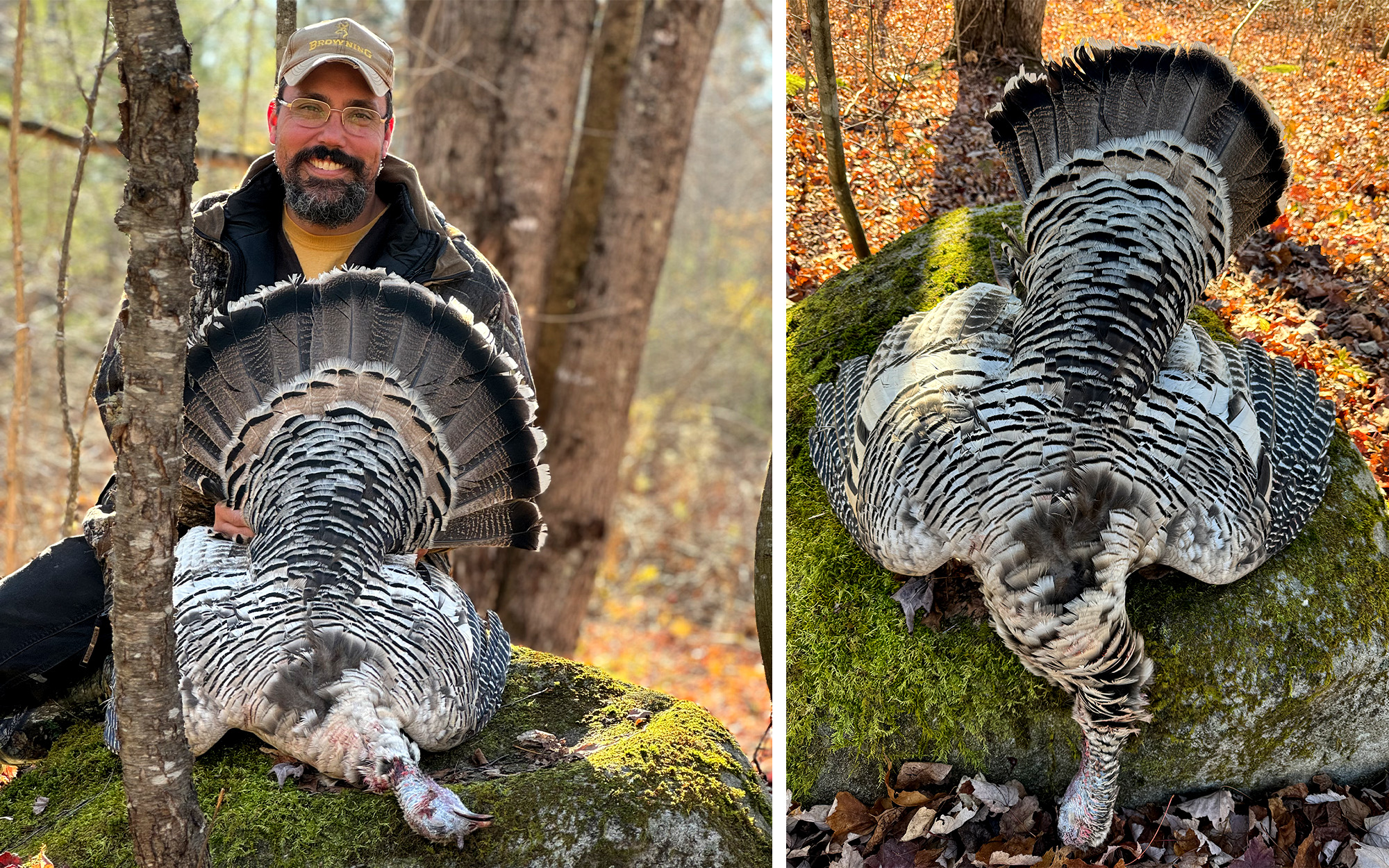
Many hunters choose to pursue wild turkeys on their own, especially after gaining experience. DIY hunting offers flexibility and a strong sense of accomplishment, but it requires time for scouting and learning bird behavior.
Guided wild turkey hunts can be beneficial for hunters who are new to turkey hunting, short on time, or seeking access to high-quality properties. Guides provide local knowledge, calling expertise, and setup assistance that can significantly improve success rates.
Choosing between DIY and guided hunting depends on experience level, available time, and personal goals.
Common Mistakes in Wild Turkey Hunting
Some of the most common mistakes include moving too much, calling too aggressively, and setting up in poor locations. Another frequent issue is failing to anticipate where a turkey wants to approach from, leading to blocked shots or hung-up birds.
Learning from each hunt and adjusting strategies is a natural part of becoming a better turkey hunter.
Is Wild Turkey Hunting Beginner-Friendly?
Wild turkey hunting can be very approachable for beginners, especially in spring. The interactive nature of calling and visible responses from birds make it engaging and educational. However, success still depends on preparation, patience, and understanding basic turkey behavior.
Beginners who focus on learning rather than immediate success often progress quickly.
Conclusion
Wild turkey hunting is a pursuit that rewards preparation, patience, and thoughtful decision-making. Whether hunting in spring or fall, success comes from understanding turkey behavior, choosing smart setups, and knowing when to act and when to wait.
For hunters who want to sharpen their skills, explore new opportunities, or consider professionally supported hunts through a fully licensed platform, Hunt Nation is available to help with planning and guidance. You can contact the team at +1 307-637-5495 or email info@hunt-nation.com to learn more about wild turkey hunting opportunities and services.
Wild turkey hunting is not just about harvesting a bird. It is about the challenge, the interaction, and the satisfaction that comes from matching skills with one of the most alert game species in North America.