

Antelope hunting, more accurately known as pronghorn antelope hunting, is one of the most exciting and rewarding big game pursuits in the United States. Pronghorns are famous for their incredible speed, sharp eyesight, and preference for wide-open country, making every hunt a test of patience, strategy, and precision.
This comprehensive guide is built for hunters who want real, practical information. You will learn how antelope hunting works, when and where to hunt, which states offer the best opportunities, what gear you need, and how to decide between DIY and guided hunts. If you are planning your first antelope hunt or looking to improve your success rate, this guide will help you make informed decisions and get more out of your time in the field.
If you want expert help planning an antelope hunt, speak directly with the Hunt Nation team at +1 307-637-5495 or email info@hunt-nation.com for personalized guidance and access to trusted hunting opportunities.
What Is Antelope Hunting?
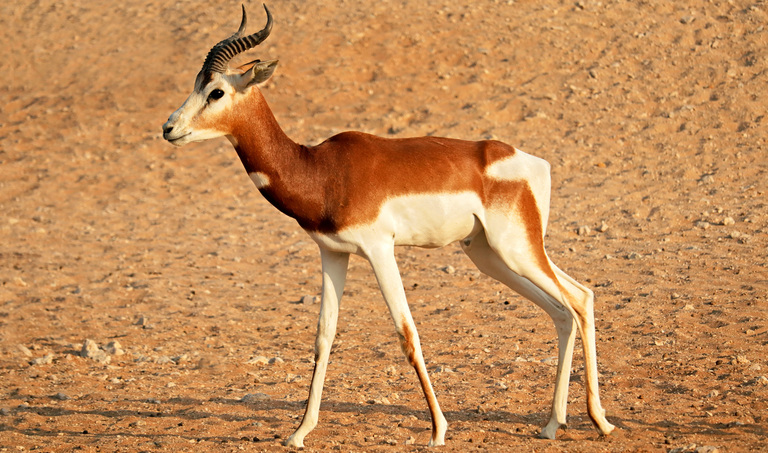
In North America, antelope hunting refers to hunting the pronghorn, a species native to the Great Plains and western grasslands. Although commonly called antelope, pronghorns are a unique species found only in the United States and parts of Canada.
Pronghorn hunting is shaped by a few defining traits. Pronghorns rely on exceptional eyesight rather than cover for protection. They live in open terrain with few trees. Shots are often taken at longer distances. Because of this, antelope hunting is typically a spot-and-stalk hunt that rewards careful planning and disciplined movement.
Hunters who enjoy glassing large landscapes, planning stalks, and testing their shooting skills often find antelope hunting especially satisfying.
Why Antelope Hunting Is So Popular
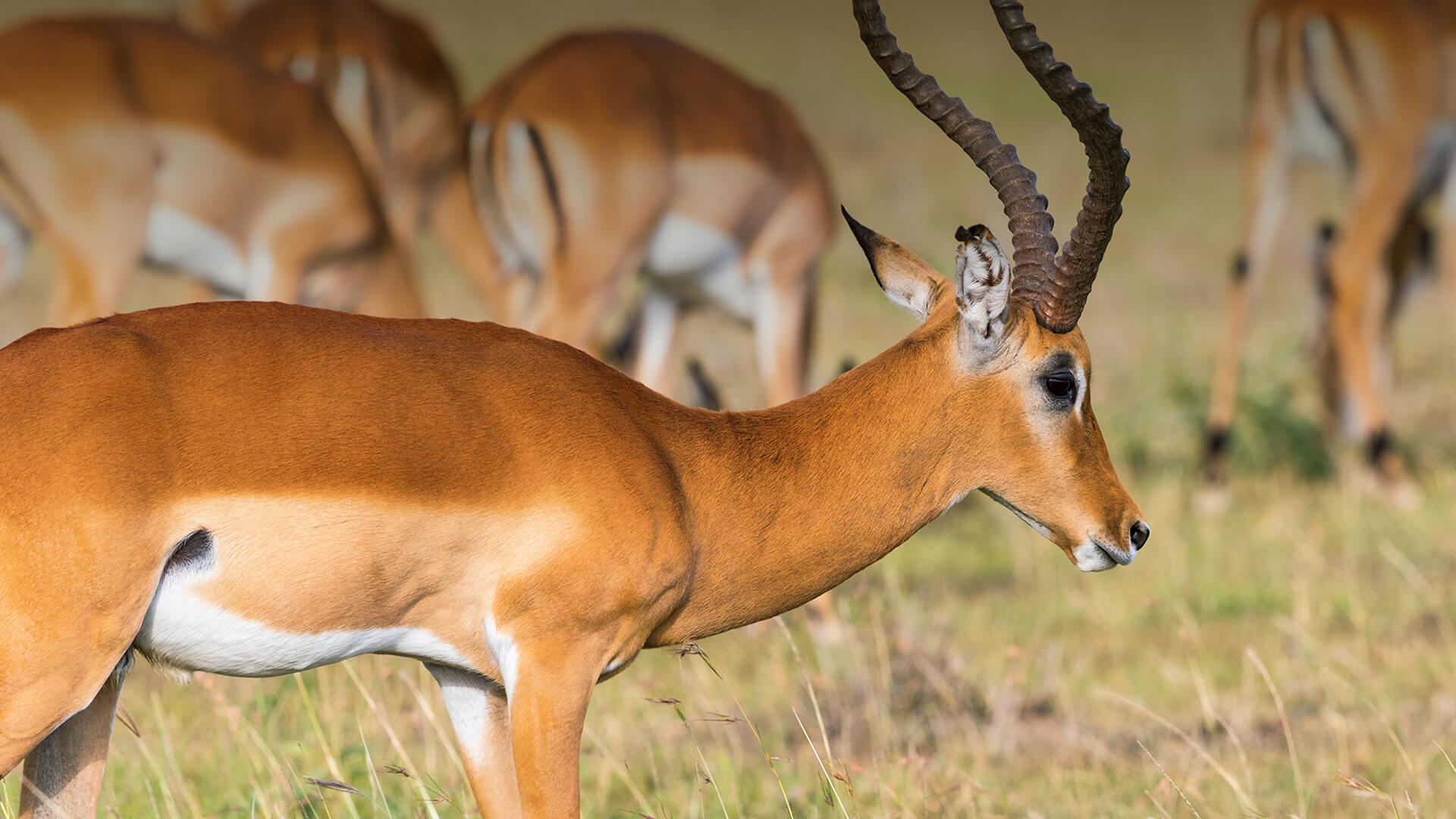
Antelope hunting continues to attract hunters of all experience levels for several reasons. Pronghorn meat is lean and mild, making it highly valued for the table. Hunts usually take place in scenic open country, offering a classic western hunting experience. Seasons are typically short and focused, which appeals to hunters with limited time.
For beginners, antelope hunting is often considered more approachable than mountain hunts because the terrain is less physically demanding. For experienced hunters, pronghorns offer a unique challenge due to their eyesight and speed.
Antelope Hunting Seasons Overview
Antelope hunting seasons vary by state and hunting unit, but most follow a similar structure across the western United States.
Archery seasons generally open in late summer and run into early fall. Rifle seasons usually occur in the fall and are often shorter, sometimes lasting only a few days. Most states manage antelope populations through limited draw systems, meaning hunters must apply for a tag well in advance.
Because tags are limited and competitive in many areas, successful antelope hunters plan early and stay informed about application deadlines and draw odds.
Need help navigating antelope season dates and tag systems? The Hunt Nation team can walk you through the process and help you plan ahead. Email info@hunt-nation.com for assistance.
Antelope Hunting Licenses and Tags
Antelope hunting almost always requires a drawn tag. Over-the-counter opportunities are rare, and regulations vary by state.
Most hunters will need a valid hunting license, an antelope or pronghorn tag, proof of hunter education, and compliance with unit-specific rules such as weapon type and season dates.
Understanding license requirements is critical. Mistakes can cost you a season or lead to penalties. Working with experienced professionals can simplify the process and reduce risk.
How Antelope Hunting Works
Most antelope hunting is done using the spot-and-stalk method. Hunters glass large areas with binoculars and spotting scopes, locate pronghorns from a distance, then plan careful stalks using terrain features like draws, ridges, and low rises for cover.
Because vegetation is often sparse, moving slowly and choosing the right approach is critical. Long-range shots are common, especially during rifle seasons, so preparation and practice are essential.
Antelope hunting rewards patience more than speed. Hunters who take their time and wait for the right opportunity consistently see better results.
Essential Antelope Hunting Gear
Having the right gear can make a major difference in your success and overall experience.
Most antelope hunters rely heavily on optics. Quality binoculars are essential for glassing large areas, and a spotting scope helps evaluate animals before a stalk. A rangefinder is important for judging distance in open terrain.
For rifles, accuracy matters more than power. Flat-shooting calibers paired with reliable optics are common choices. Shooting sticks or bipods help stabilize shots in open country.
If you are unsure what gear best suits your hunt, Hunt Nation can help you prepare based on your destination and hunt style. Reach out at info@hunt-nation.com for personalized recommendations.
DIY Antelope Hunting vs Guided Antelope Hunts
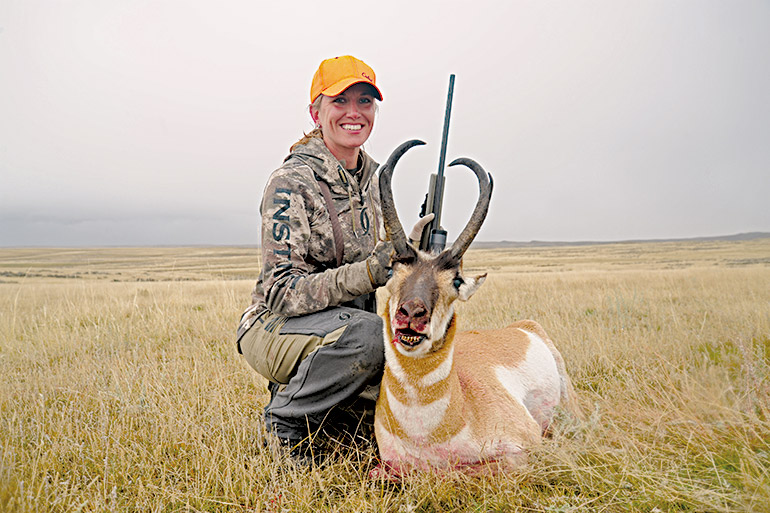
One of the most common questions hunters ask is whether to go DIY or book a guided antelope hunt.
DIY antelope hunting appeals to hunters who enjoy independence and have time to research units, draw odds, access points, and regulations. It is generally more affordable but requires significant planning and scouting. Success rates for first-time DIY hunters can be lower, especially for non-residents.
Guided antelope hunts offer higher success rates and a smoother experience. Guides provide local knowledge, land access, and logistical support. This option is especially popular with out-of-state hunters and those new to antelope hunting.
Top Antelope Hunting States
Many hunters search specifically for the best states for antelope hunting. The states below consistently rank among the top due to pronghorn populations, management practices, and hunt quality.
Wyoming Antelope Hunting
Wyoming is widely regarded as the top antelope hunting state in the country. It holds the largest pronghorn population and offers numerous hunting units with varying draw odds. Wyoming is often recommended for first-time antelope hunters because of its opportunity and strong wildlife management.
Colorado Antelope Hunting
Colorado offers excellent antelope hunting, particularly across its eastern plains. Hunters are drawn to Colorado for its open terrain, structured seasons, and mix of public and private land access.
New Mexico Antelope Hunting
New Mexico is known for producing large, high-quality pronghorn. With no preference point system, every applicant has a chance each year. Many hunters search New Mexico antelope hunts for trophy potential and guided opportunities.
Montana Antelope Hunting
Montana provides a balanced antelope hunting experience with scenic prairie landscapes and healthy pronghorn populations. It appeals to hunters looking for space, variety, and less pressure in certain areas.
South Dakota Antelope Hunting
South Dakota offers limited but well-managed antelope hunting opportunities. Controlled harvest and predictable seasons make it attractive to hunters who value quality management.
Nebraska Antelope Hunting
Nebraska antelope hunting is more localized but popular among regional hunters. It offers convenient access for Midwestern hunters seeking a pronghorn experience without extensive travel.
Kansas Antelope Hunting
Kansas provides very limited antelope hunting opportunities, but interest remains due to its unique prairie environment. Hunts are highly regulated and uncommon.
If you want help choosing the right state based on your goals and draw odds, Hunt Nation can guide you. Call +1 307-637-5495 to get expert advice.
Antelope Hunting Tips for Better Success
Experienced antelope hunters consistently follow a few proven principles. Spend more time glassing than walking. Use terrain features to stay hidden. Practice long-range accuracy before the season. Pay close attention to wind direction. Move slowly and deliberately. Always prioritize ethical shot placement.
Preparation and patience often matter more than physical ability in antelope hunting.
Is Antelope Hunting Good for Beginners?
Antelope hunting is often considered beginner-friendly, especially for hunters transitioning into big game hunting. Open terrain allows hunters to see animals clearly, and hunts are typically shorter in duration.
At the same time, beginners must be prepared for longer shots and limited cover. With proper preparation and realistic expectations, many first-time hunters have very successful antelope hunts.
Ethical and Legal Considerations
Ethical antelope hunting means respecting regulations, land access boundaries, and fair chase principles. Hunters should take responsible shots, recover animals quickly, and care for meat properly.
Pronghorn populations are carefully managed through limited tags. Following the rules supports conservation and ensures future hunting opportunities.
Frequently Asked Questions About Antelope Hunting
What is the best state for antelope hunting?
Wyoming is generally considered the best due to its large pronghorn population and tag availability.
When is antelope hunting season?
Most seasons run from late summer through fall, depending on the state and weapon type.
Is antelope hunting difficult?
It can be challenging due to pronghorn eyesight and open terrain, but it is manageable with preparation.
Do I need a guide for antelope hunting?
A guide is not required, but guided hunts often improve success rates, especially for beginners and non-residents.
Conclusion
Antelope hunting delivers a unique blend of strategy, excitement, and reward. From wide-open plains to carefully planned spot-and-stalk approaches, pronghorn hunts offer an authentic and memorable western big game experience.
With the right planning, state selection, and support, antelope hunting can be one of the most satisfying hunts in the United States. Whether you are preparing for your first pronghorn hunt or looking to improve your success, Hunt Nation is here to help.