

Hunting methods are not one-size-fits-all. The way an animal is hunted depends on terrain, species behavior, season, local laws, and the hunter’s skill level. Understanding different hunting methods helps hunters choose the right approach, plan legally, and improve success while maintaining ethical standards.
This guide breaks down all major hunting methods used worldwide, explains when and why each method is used, and helps hunters understand which approach best fits their goals.
What Are Hunting Methods?
Hunting methods refer to the techniques and approaches used to pursue game animals. These methods are shaped by:
-
Animal behavior and habitat
-
Terrain and visibility
-
Weapon choice
-
Legal regulations
-
Cultural and regional traditions
Some methods rely on patience and concealment, while others demand endurance, precision, or teamwork.
Active Hunting Methods
Active hunting methods involve movement, tracking, and decision-making in real time. These methods are physically demanding and require strong situational awareness.
Spot and Stalk Hunting
Spot and stalk hunting involves locating animals from a distance using optics, then carefully closing the distance for a clean shot.
Best used for:
-
Plains game
-
Mountain species
-
Open terrain hunts
Key skills:
-
Wind reading
-
Terrain use
-
Stealth movement
Still Hunting
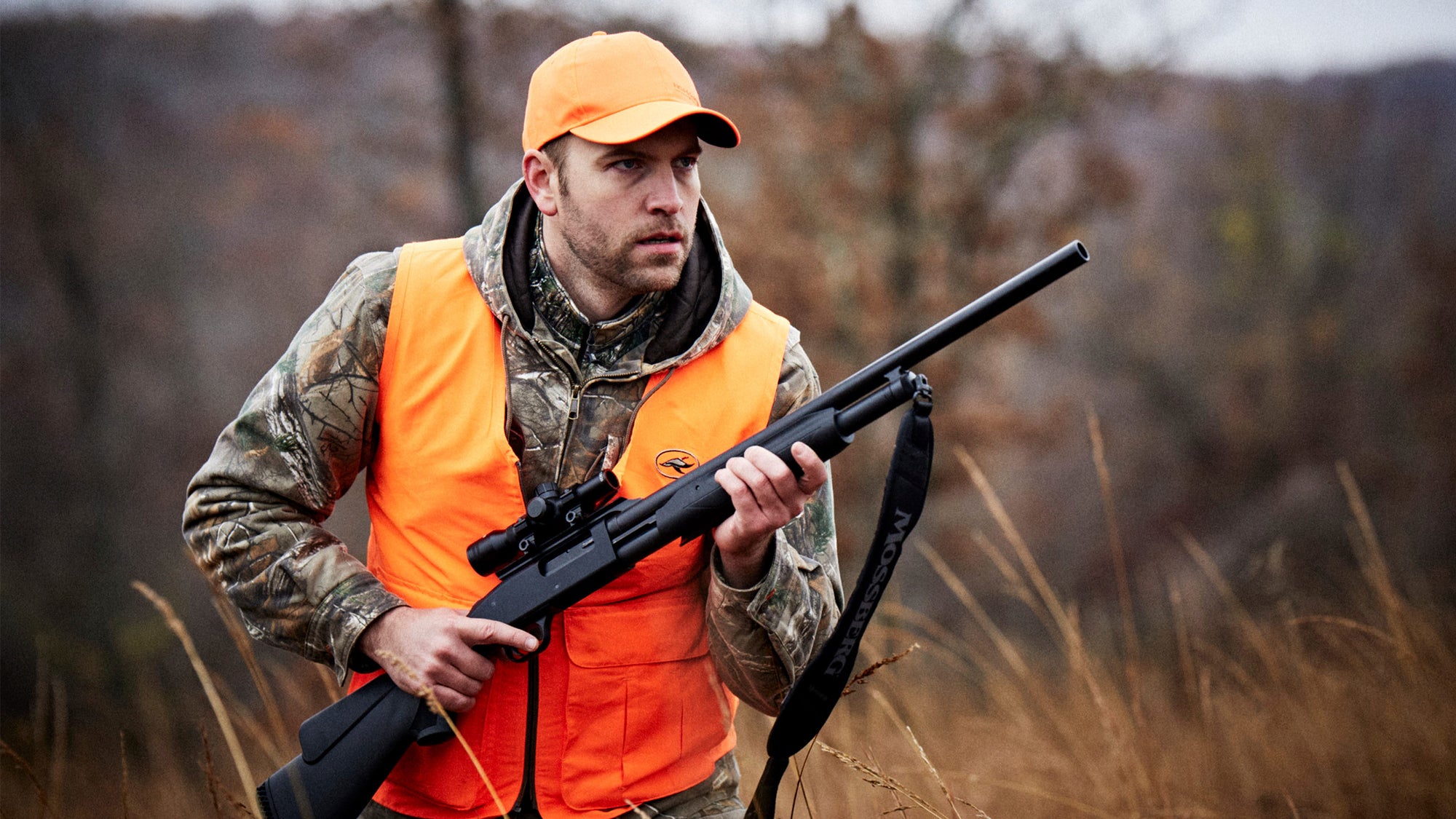
Still hunting is slow, deliberate movement through an animal’s habitat, pausing frequently to observe.
Best used for:
-
Forested areas
-
Whitetail deer
-
Thick cover species
This method rewards patience and sharp observation.
Mountain Hunting
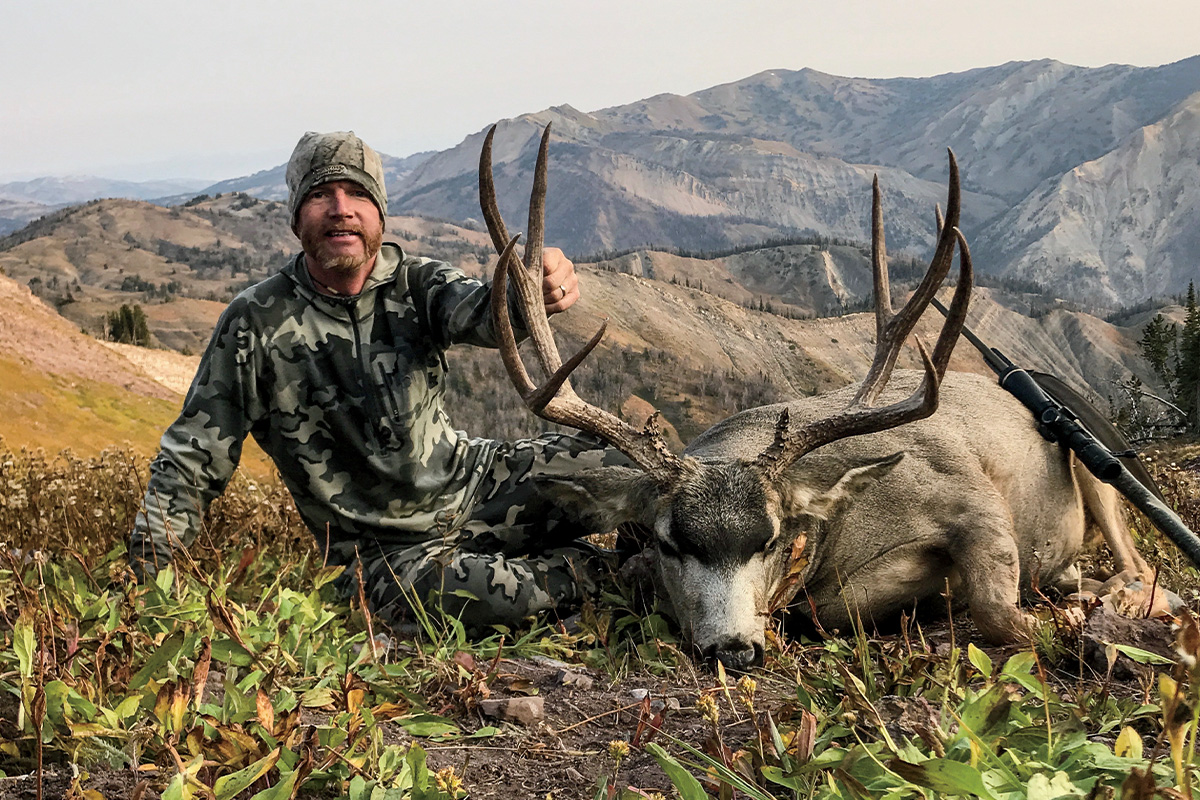
Mountain hunting is a physically demanding method used in steep and rugged terrain.
Best used for:
-
Sheep
-
Goats
-
High-altitude deer and elk
It requires endurance, navigation skills, and careful shot placement.
Passive Hunting Methods
Passive methods focus on positioning and waiting rather than movement.
Stand or Blind Hunting
Hunters wait in an elevated stand or ground blind near travel routes, food sources, or water.
Best used for:
-
Whitetail deer
-
Plains game
-
Water-adjacent species
This method minimizes movement and maximizes shot control.
High Seat Hunting
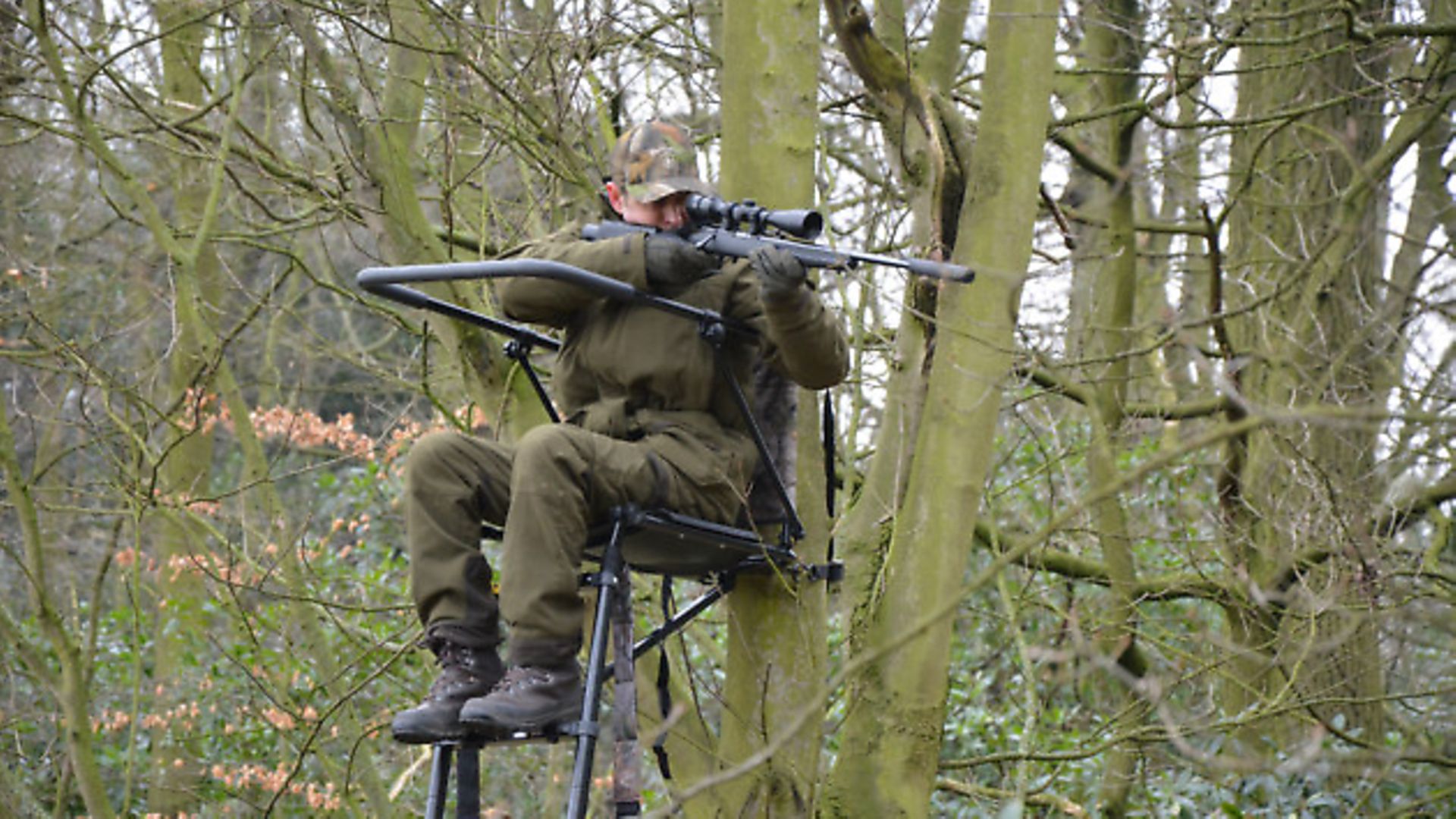
Common in Europe and parts of Africa, high seat hunting involves elevated platforms placed along game trails.
Best used for:
-
Forest and farmland species
-
Management hunts
Weapon-Based Hunting Methods
Some hunting methods are defined by the weapon system used.
Rifle Hunting
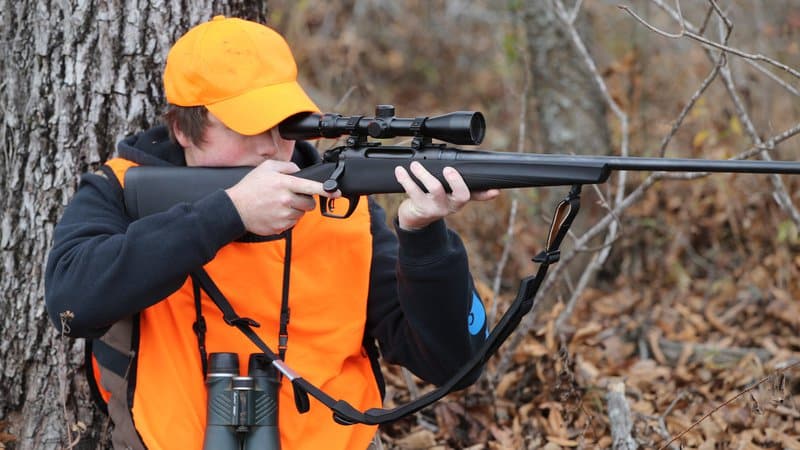
Rifle hunting is the most common method globally, offering accuracy at medium to long distances.
Best used for:
-
Big game
-
Open terrain
-
Mountain hunts
Bow Hunting
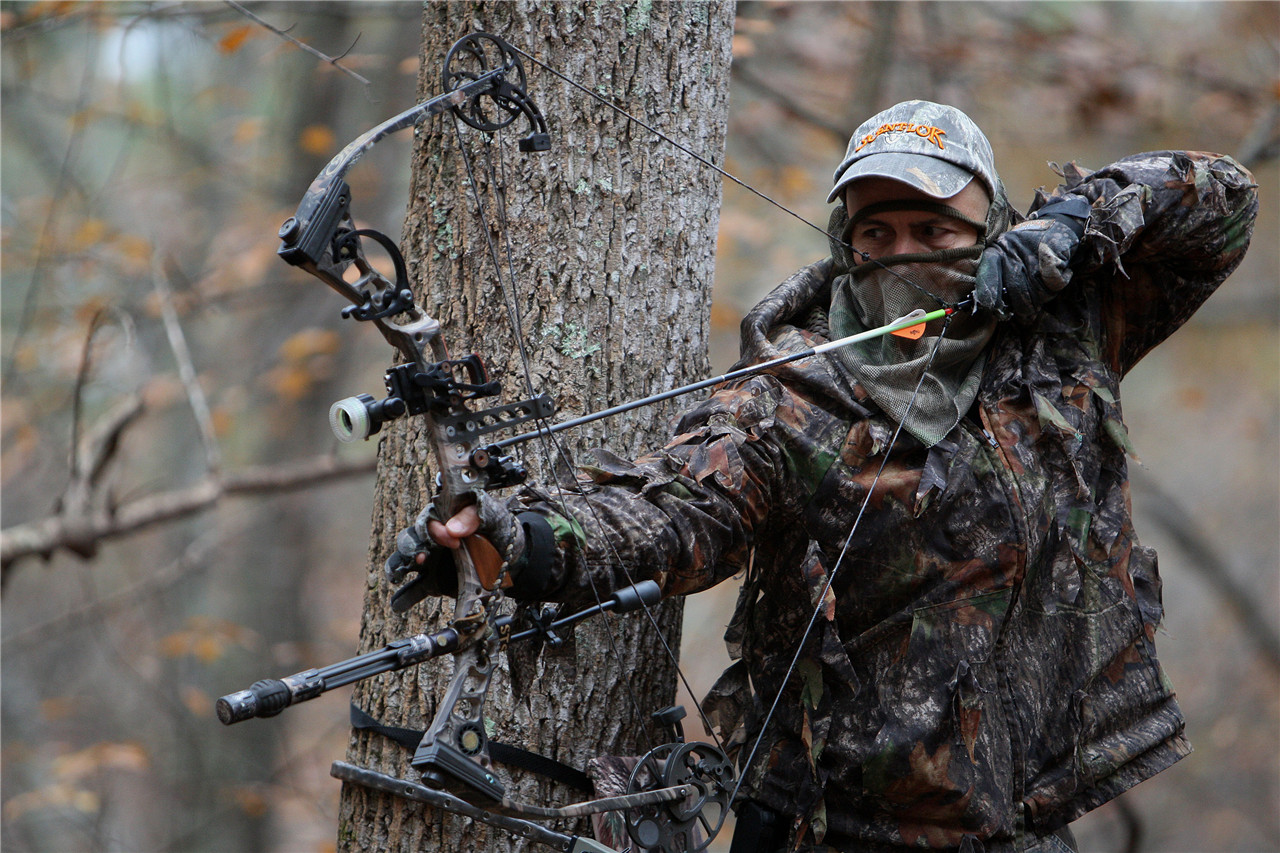
Bow hunting requires close-range engagement and refined shot placement.
Best used for:
-
Early seasons
-
Dense cover
-
Experienced hunters
Crossbow Hunting
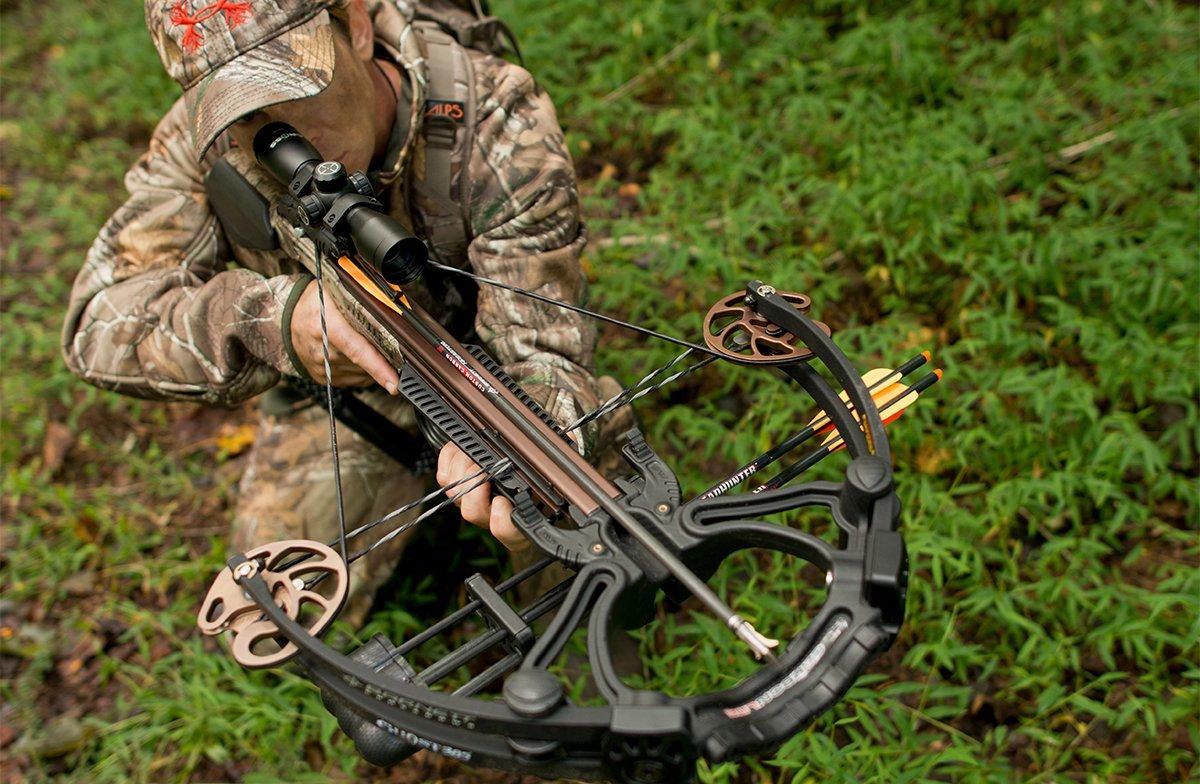
Crossbows bridge the gap between rifle and bow hunting, offering precision with lower physical demand.
Best used for:
-
Short to mid-range hunting
-
Hunters with limited draw strength
Muzzleloader Hunting
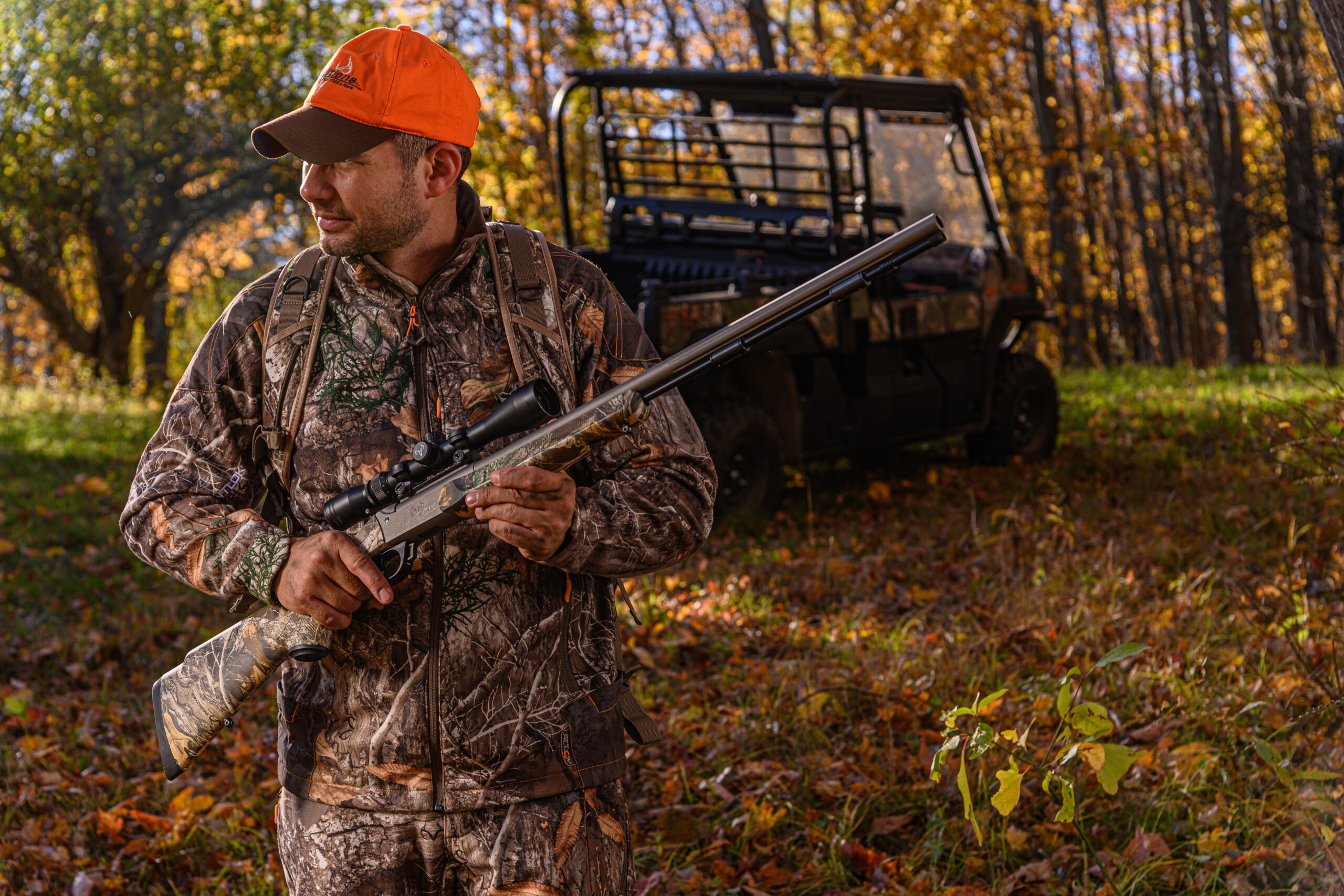
Muzzleloader seasons are often distinct and less crowded.
Best used for:
-
Traditional hunting experiences
-
Controlled seasons
Calling and Attraction Methods
These methods focus on drawing animals into range.
Calling and Rattling
Hunters mimic animal sounds to trigger curiosity or territorial responses.
Commonly used for:
-
Elk
-
Deer during the rut
Baiting (Where Legal)
Baiting involves placing food or scent to attract animals to a specific location.
Important note:
-
Highly regulated or illegal in many regions
-
Must always comply with local laws
Group and Traditional Hunting Methods
Some methods rely on coordination and teamwork.
Driven Hunts
Groups of hunters and drivers move animals toward a firing line.
Common in:
-
Europe
-
Certain plains and forest hunts
Monteria
A traditional driven hunt practiced primarily in Spain and parts of Europe, involving large teams and structured drives.
Hunting With Dogs
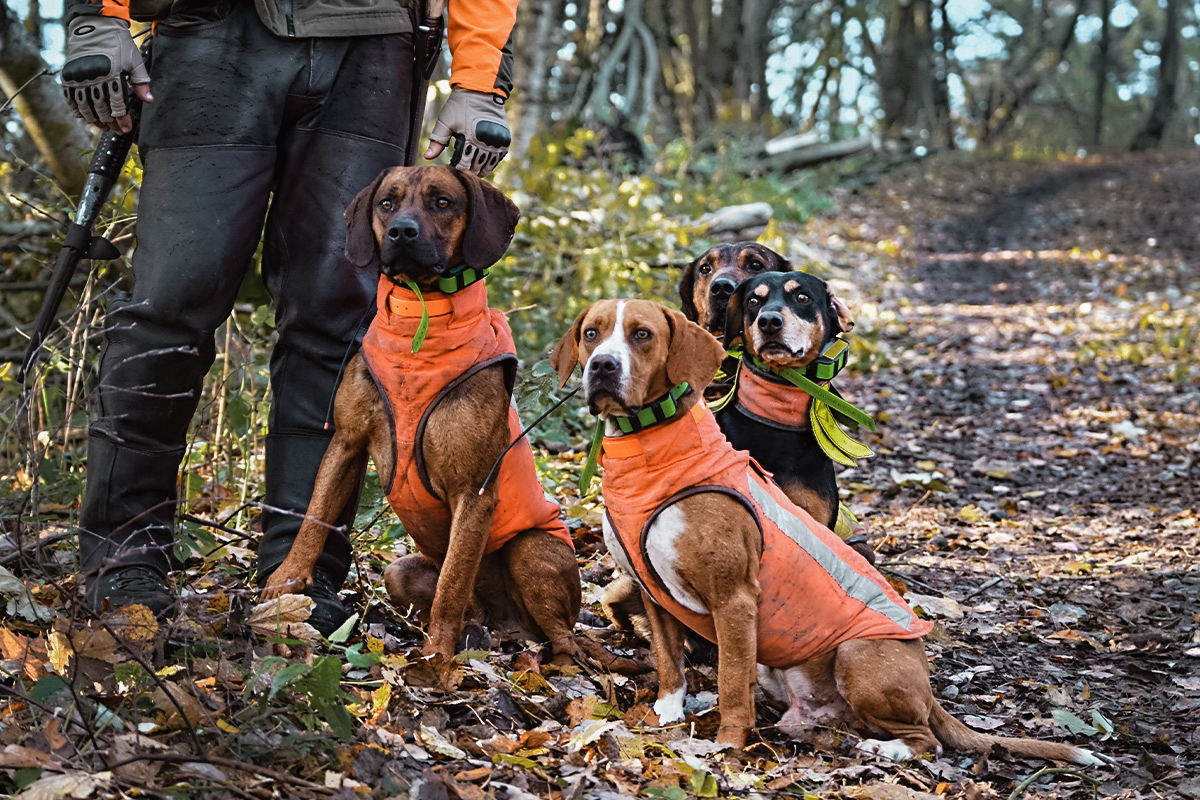
Dogs are used to track, flush, or tree animals depending on species and region.
Common for:
-
Boar
-
Bear
-
Upland birds
Specialty and Experience-Based Methods
Horseback Hunting
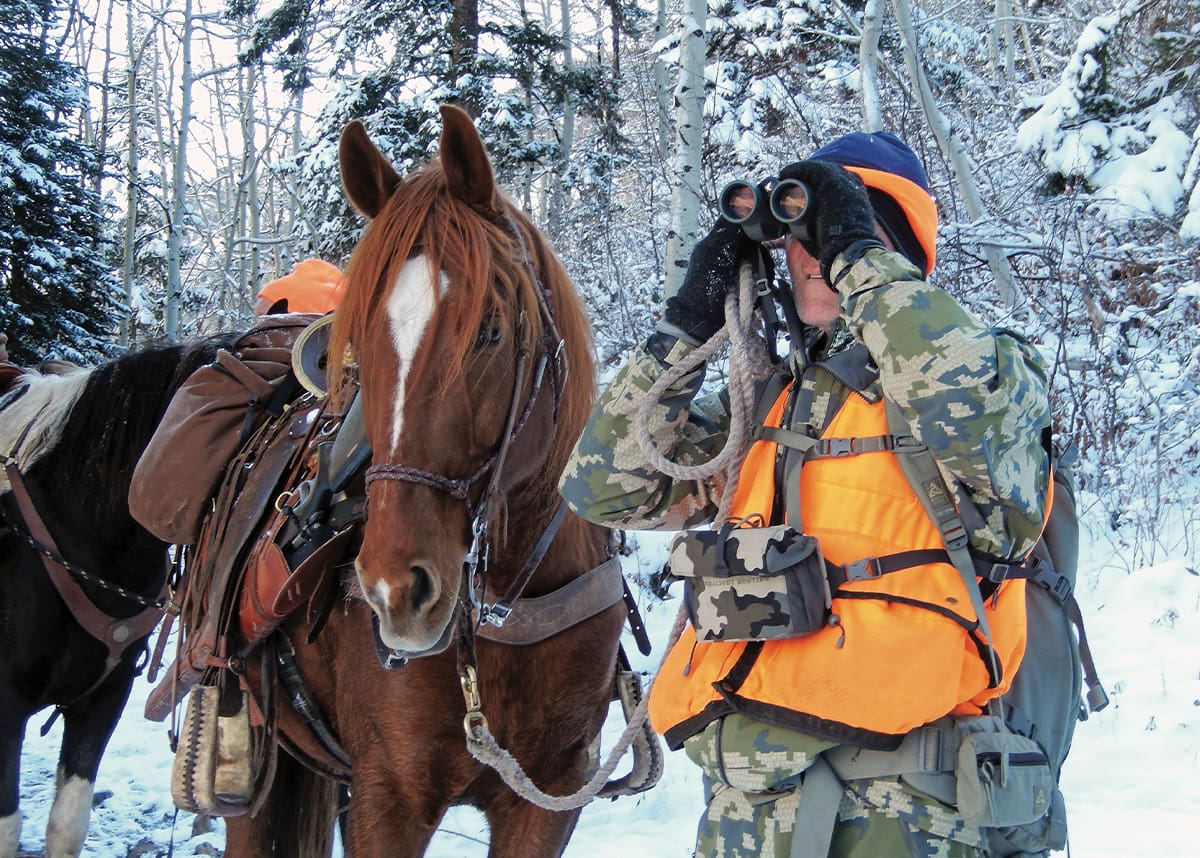
Used in wide-open or rugged terrain to cover large distances efficiently.
Best used for:
-
Plains
-
Mountains
-
Western-style hunts
Night Hunting (Where Legal)

Some species are hunted after dark using specialized optics and strict regulations.
Common for:
-
Predator control
-
Management hunts
Management and Meat Hunts
These hunts focus on population control and sustainable harvest rather than trophies.
Often used for:
-
Overpopulated species
-
Conservation programs
Choosing the Right Hunting Method
When deciding which hunting method to use, consider:
-
Target species
-
Terrain and visibility
-
Season timing
-
Physical ability
-
Legal restrictions
Matching the method to the situation increases success and ensures ethical hunting.
Finding Hunts by Method
Rather than searching randomly, hunters benefit from browsing hunts organized by method, species, and location.
You can explore real, available hunts across multiple countries and hunting styles through the Hunt Nation catalog:
👉 https://www.hunt-nation.com/catalog-search/
This allows hunters to:
-
Compare hunting methods
-
Review locations and seasons
-
Understand trip structures
-
Plan legally and efficiently
This allows hunters to:
-
Compare hunting methods
-
Review locations and seasons
-
Understand trip structures
-
Plan legally and efficiently
Final Thoughts
Hunting methods are tools, not shortcuts. The best hunters understand when to wait, when to move, and when to adapt. By learning the strengths and limits of each method, hunters make better decisions, hunt more responsibly, and gain deeper respect for the experience.
Whether you are planning your first guided hunt or your next international adventure, understanding hunting methods is the foundation of success.
Explore available hunts, compare methods, and plan confidently through the Hunt Nation catalogue.