

Antelope are among the most alert and challenging animals a hunter can encounter. Their keen eyesight, powerful instincts and preference for open terrain make them a rewarding pursuit for hunters across North America and Africa. At Hunt Nation we bring you a complete field guide combining wildlife science with real hunting strategy, helping you understand how antelope live, move and survive so you can improve your skills in the field.
This guide covers species traits, habitat use, behavioral patterns, travel routes, feeding activity and practical hunting insights you will not find on typical wildlife sites.
What Are Antelopes
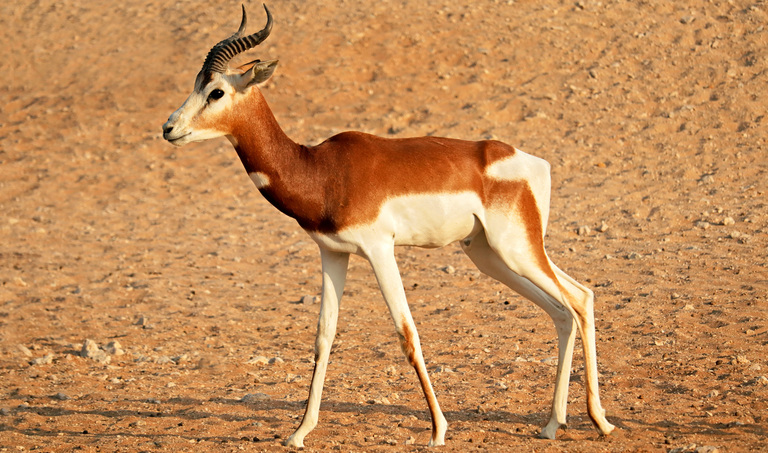
Antelope is a broad term used for dozens of hoofed grazing animals found in Africa, Asia and North America. While Africa hosts species like kudu, impala, springbok and oryx, North America has the pronghorn, often called the American antelope because of its speed and alertness.
- Most antelope share the following traits
- Light, powerful bodies built for speed
- Eyes positioned for near-panoramic vision
- Hollow horns that do not shed
- Digestive systems optimized for grazing dry grasslands
- Instinctive reliance on open country for detecting danger
These characteristics evolved to help antelope survive predators. For hunters they create both opportunity and challenge.
Antelope Species Hunters Commonly Pursue
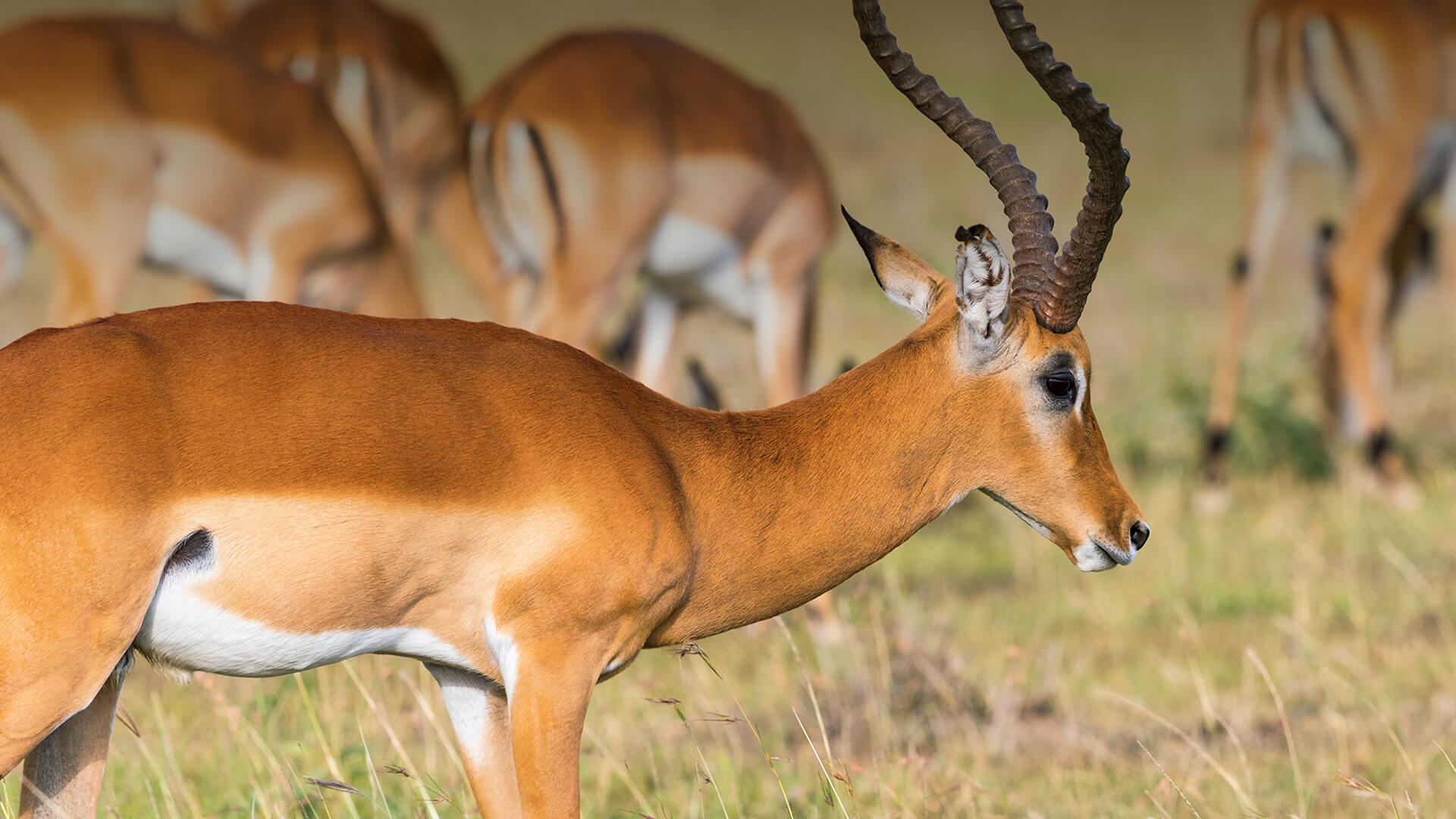
Pronghorn Antelope North America
The pronghorn is often called the fastest land animal in the Western Hemisphere. Its vision is comparable to a high-powered spotting scope, making long-distance stalks essential. Pronghorn favor rolling sagebrush, open plains and grasslands where they can spot threats long before they are approached.
Impala Southern Africa
A highly social species known for agility and herd cohesion. Impala react instantly to movement or scent, often bounding in unpredictable patterns. Their daily feeding routines and reliance on water sources allow for strategic stand positioning.
Kudu Southern Africa
Nicknamed the grey ghost for its ability to vanish into the brush despite its size. Kudu depend on wind advantage and thick cover for safety. Tracking and patient glassing are the keys to locating them.
Springbok
A small, fast plains animal with consistent feeding cycles. Springbok herds often return to the same grazing zones each morning and evening, making pattern hunting highly effective.
Oryx
A desert-adapted species with exceptional endurance. Oryx move in slow but steady lines and often bed in open dunes where their visibility advantage is greatest.
Where Antelopes Live: Habitat and Terrain
Antelopes thrive in open environments where they can see danger coming at a distance. Common habitats include
- Grasslands
- Sage flats
- Savanna plains
- Semi-deserts
- Lightly wooded valleys
- High-country basins with minimal tree cover
North American pronghorn avoid heavy timber almost entirely, preferring terrain that gives them a wide panoramic view. African antelopes vary widely: kudu hide in thicker bushveld, while oryx survive extreme desert heat.
For hunters, understanding habitat use is essential for predicting movement patterns and choosing the right glassing points.
Antelope Feeding Behavior and Daily Routine
- Most antelopes follow a predictable pattern
- Feed at first light
- Bed mid-morning
- Feed late afternoon again
- Seek water depending on the climate
Their diet consists of grasses, leaves, forbs, shrubs and moisture-rich plants in dry regions. Feeding zones often reveal fresh tracks, droppings and trails that can help hunters forecast movement.
Social Behavior and Herd Dynamics
Antelopes rely on group awareness. One alert animal can warn an entire herd. Key herd behaviors include
Use of panoramic vision to detect movement
Alarm signals through snorts or bounding jumps
Tight fleeing formations when threatened
Rotational feeding, where certain animals remain on guard
Understanding herd behavior helps hunters time their stalks and avoid being seen by the sentinel animal positioned on the outer edge.
Breeding Seasons and How They Influence Hunting
- Breeding schedules differ among species
- The pronghorn rut occurs from September to October
- Impala rut occurs from April to May
- Kudu rut occurs from June to July
During the rut, males are more vocal, territorial and less cautious. Hunters often take advantage of increased movement and reduced alertness during this period.
Antelope Survival Instincts Hunters Must Learn
Antelopes possess some of the strongest defense traits in the animal world.
Exceptional Vision
Their wide-angled eyesight detects the smallest movement across long distances.
Unmatched Speed
Pronghorn can reach over 55 mph, and African antelope accelerate with explosive bursts.
Wind Sensitivity
Antelopes frequently orient themselves to use wind as an early warning system.
Strategic Bedding
Most species bed with a visibility advantage, often on slight rises or open flats.
These instincts require hunters to plan meticulous stalks, stay concealed and use terrain features such as coulees, ridges and grass depressions.
Behavior Patterns Hunters Can Use to Their Advantage
Travel Routes
Antelopes follow routine paths between feeding, bedding and watering grounds. Identifying these routes is crucial.
Water Dependence
In arid region,s waterholes become prime hunting locations, especially during mid-season heat.
Curiosity Response
Pronghorn often investigate unfamiliar stationary objects, a behavior that allows thoughtful use of decoys.
Bedding Patterns
Observing morning and afternoon bedding sites provides invaluable information for timing stalks.
Hunting Insights Not Covered on Wildlife Sites
General wildlife sources avoid discussing hunting behaviors, leaving large knowledge gaps. Hunt Nation covers what hunters truly need.
Best Time of Day to Hunt Antelope
Dawn and late afternoon provide the most consistent movement. Midday hours are best for tracking bedded animals.
Best Optics for Antelope Hunts
Because antelopes rely on vision, hunters must as well. Spotting scopes and 10x or 12x binoculars help identify herds from long distances.
Calm Weather Advantage
Windy days cause herds to shift constantly. Calm days allow for predictable feeding routines.
Shot Placement Considerations
Antelopes have slim chests and lightweight bodies. Vital zones are slightly smaller than those of deer. Ethical shots require patience and steady rests.
Antelope Quick Reference Table for Hunters
| Species | Region | Terrain | Behavior Traits | Challenge Level |
|---|---|---|---|---|
| Pronghorn | North America | Sagebrush plains | Extreme eyesight, high speed | High |
| Impala | Southern Africa | Open woodland | Fast reactions, herd alerts | Medium |
| Kudu | Southern Africa | Bushveld | Stealthy, wind-driven movement | High |
| Springbok | Plains of Southern Africa | Open desert-grasslands | Predictable feeding | Medium |
| Oryx | Desert regions | Arid dunes | Steady travel, endurance | Medium |
Frequently Asked Questions
Are antelopes hard to hunt
Yes. Their eyesight and speed make them one of the most difficult big-game animals to stalk successfully.
Where is the best place to hunt pronghorn
Wyoming, Colorado and Montana offer strong pronghorn populations with ideal open terrain.
Do antelopes return to the same feeding areas?
Most species follow consistent daily routines, often revisiting preferred feeding and bedding zones.
What is the most important skill for antelope hunting
Long-range glassing combined with careful wind management.
When are antelopes most active
Early morning and late afternoon are peak movement periods.
Conclusion
Antelopes are remarkable animals that combine speed, awareness and instinctive survival behaviors. For hunters, these traits create one of the most rewarding challenges in the field. By understanding species differences, habitat use, travel patterns and daily routine, you gain the advantage needed for an ethical and successful hunt.
Hunt Nation is committed to providing hunters with real-world knowledge backed by field experience and wildlife research. Whether you are pursuing pronghorn on the open prairie or following spoor across African plains, this guide gives you the insight needed to elevate your next hunt.