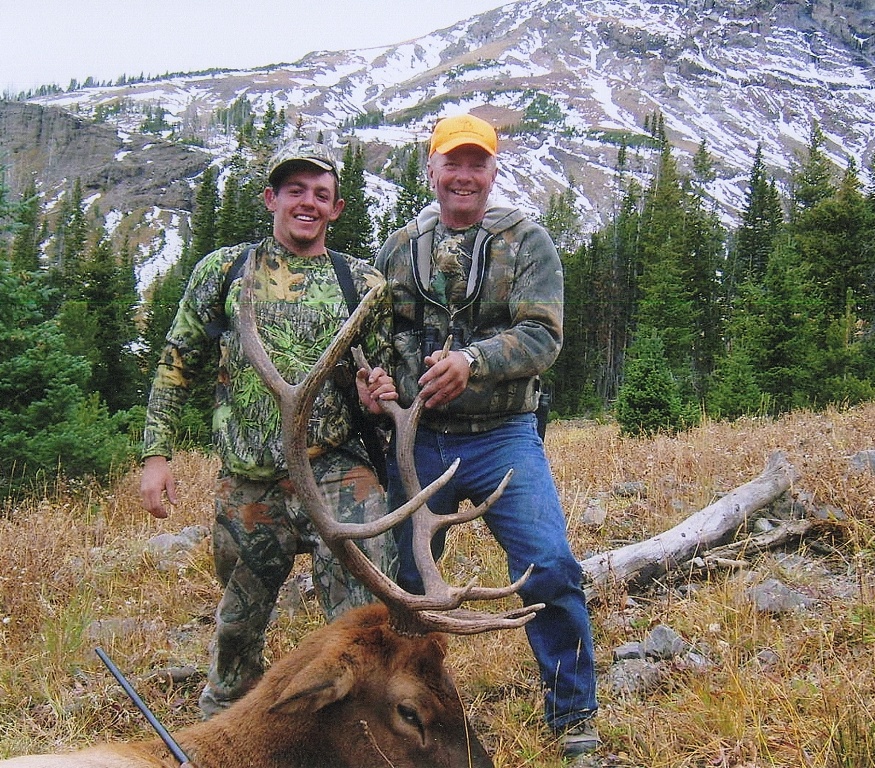
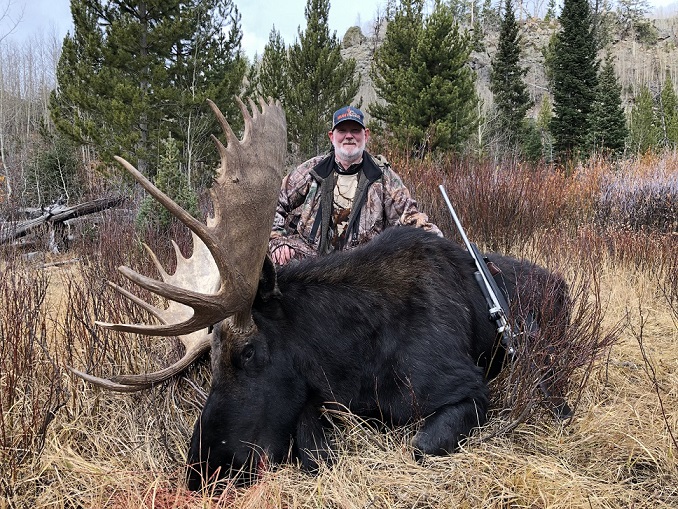
An elk hunt is closely associated with some of North America’s most impressive wilderness landscapes. From Colorado’s Rocky Mountains and Wyoming’s expansive backcountry to New Mexico’s high-country ranches and the coastal forests of the Pacific Northwest, elk country varies dramatically from one destination to another.
For anyone researching elk, choosing a destination should begin with understanding the animal, its habitat, regional populations, seasonal behavior, terrain, weather and local wildlife regulations.
Elk are not distributed evenly across the West, and different regions can offer completely different environments. Colorado, New Mexico, Wyoming, Montana, Idaho and Oregon are all well-known elk states, but there is no single destination that is automatically right for everyone.
This guide explains the major elk types, destinations, habitat, seasonal patterns and other important factors worth researching before planning a trip.
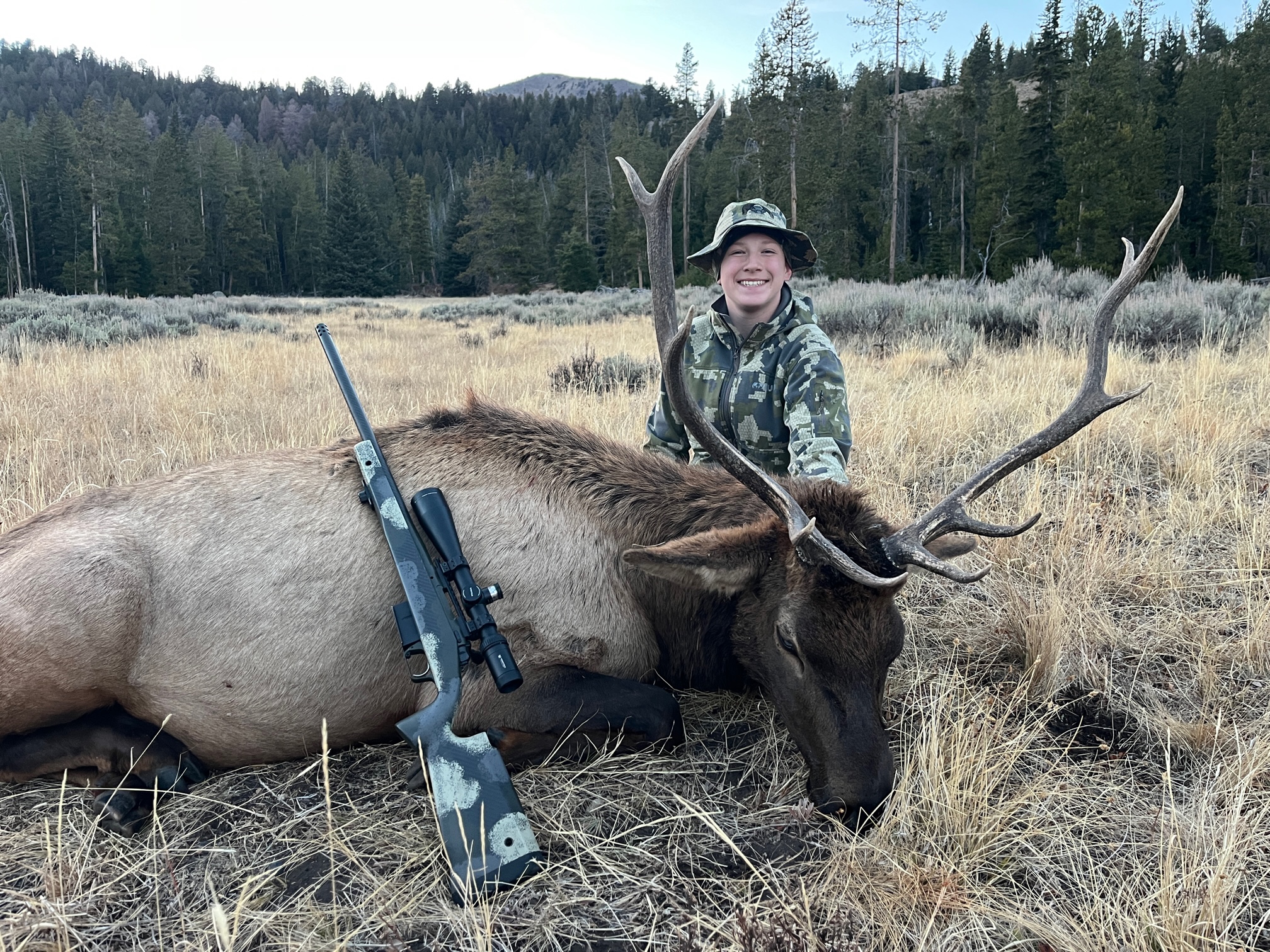
What Is an Elk?
Elk (Cervus canadensis), also known as wapiti, are among the largest members of the deer family.
Adult male elk are called bulls, while adult females are called cows. Mature bulls grow the large antlers that make elk one of the most recognizable wildlife species in North America.
Elk can occupy surprisingly diverse environments, including:
- Mountain forests
- High-country meadows
- River valleys
- Grasslands
- Foothills
- Forest edges
- Coastal forests
- Seasonal winter ranges
Their distribution can change throughout the year according to food availability, weather, elevation, water and seasonal habitat requirements.

Rocky Mountain Elk vs. Roosevelt Elk
Not every elk destination involves exactly the same type of elk.
Two of the most important types for travelers researching western North America are Rocky Mountain elk and Roosevelt elk.
Rocky Mountain Elk
Rocky Mountain elk are widely distributed across the interior West.
Important populations occur in states including Colorado, Wyoming, Montana, Idaho, Utah and New Mexico, as well as portions of Canada.
They can occupy mountainous forests, open parks, valleys, foothills and other western landscapes.
Roosevelt Elk
Roosevelt elk are primarily associated with the Pacific Northwest.
They generally have heavier bodies and darker coloration than Rocky Mountain elk and are particularly associated with the wet coastal forests of Oregon and Washington.
This distinction matters when comparing destinations. An elk-focused trip in coastal Oregon can provide a very different landscape and overall experience from one in Colorado or New Mexico.
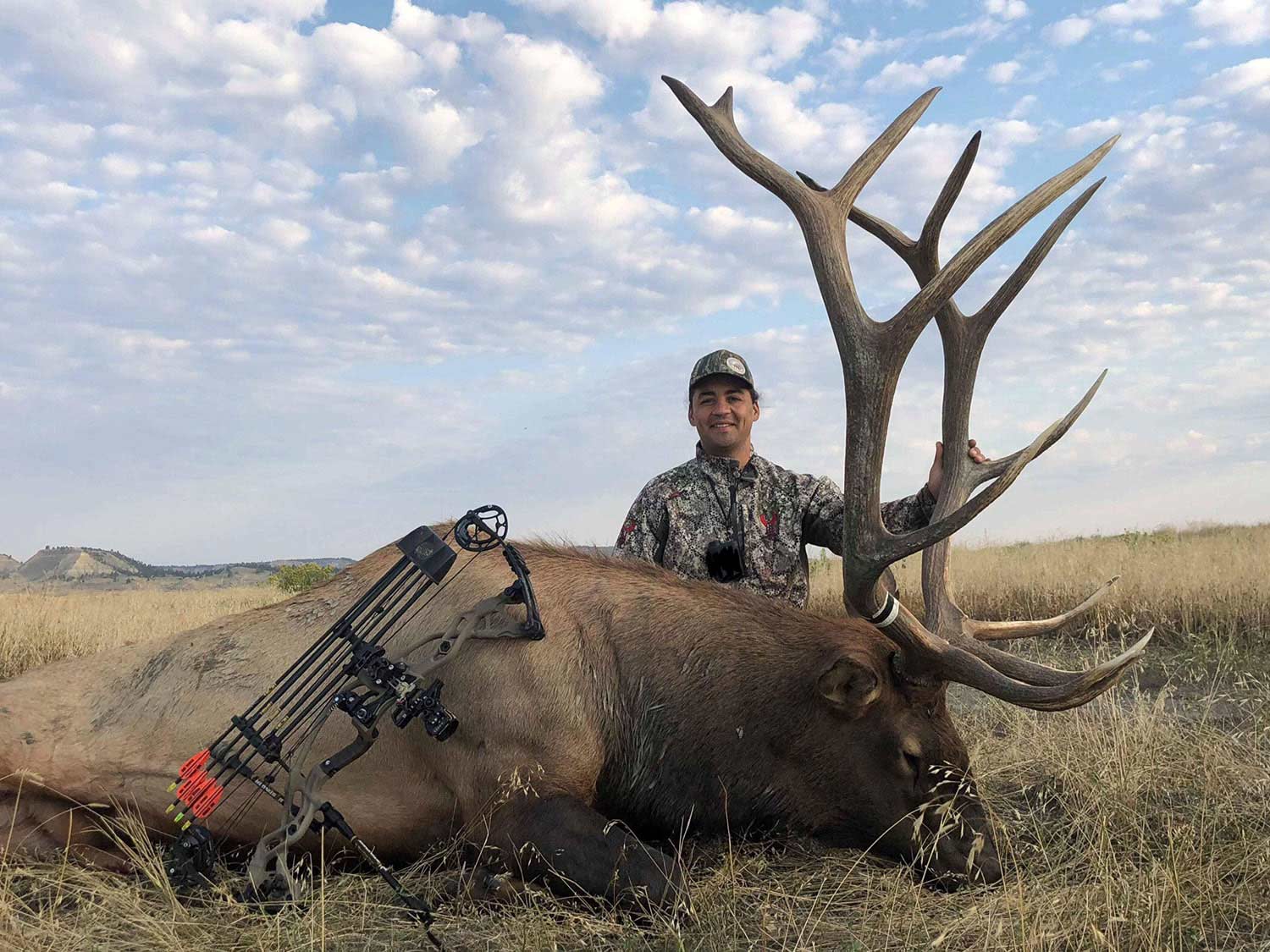
Top Elk Destinations in North America
There isn’t one universally “best” elk state.
Population, habitat, accessibility, elevation, regulations and seasonal conditions all vary.
The following destinations are among the most important areas to understand when researching an elk hunt.
Colorado Elk
Colorado is one of North America’s best-known elk destinations and supports extensive Rocky Mountain elk habitat.
The state’s landscape includes high mountains, valleys, forests, meadows and large areas of seasonal range.
Hunt Nation’s Colorado programs also demonstrate how different experiences can exist within a single state.
For example, its Colorado #376 program is located in northwestern Colorado near Craig. The property includes more than 1,000 acres of private ranch land along with access associated with neighboring public-land country.
The property sits at approximately 6,500 feet in elevation and is positioned in an area influenced by seasonal elk movement.
This is a useful example of why researching the actual location matters rather than simply choosing “Colorado.”
Different parts of Colorado can vary considerably in elevation, habitat, accessibility and seasonal conditions.
New Mexico Elk
New Mexico offers a noticeably different environment from many northern Rocky Mountain destinations.
The state contains mountains, mesas, valleys, forests, meadows and large areas of pinyon-juniper country capable of supporting established elk populations.
Hunt Nation’s New Mexico #222 program provides a good example.
The program is based in west-central New Mexico around the Unit 12 region and includes an approximately 11,200-acre private ranch.
The terrain includes hills, valleys, mesas and pinyon-juniper habitat.
Additional neighboring ranch access has also expanded the broader area associated with this program.
This makes New Mexico particularly interesting for travelers comparing Southwestern elk country with destinations such as Colorado or Wyoming.
Wyoming Elk
Wyoming represents what many people imagine when thinking about classic western elk country.
Large mountain ranges, open landscapes and remote wilderness areas provide substantial elk habitat throughout parts of the state.
Wyoming can feel very different from private-ranch-oriented destinations elsewhere in the West because some regions are characterized by much larger wilderness landscapes.
Travel logistics, accessibility, elevation and regulations can therefore become particularly important when researching Wyoming.
Montana Elk
Montana contains extensive elk habitat across a geographically diverse landscape.
Western portions of the state contain substantial mountainous and forested country, while other areas become progressively more open.
Because Montana is so geographically varied, two elk destinations within the state can provide very different environments.
Travelers should therefore research the specific region rather than treating all Montana elk country as identical.
Idaho Elk
Idaho is another major Rocky Mountain elk state.
Large portions of the state contain rugged and heavily forested mountain landscapes.
The combination of extensive forests, mountain ranges and relatively remote country makes Idaho particularly relevant when comparing western elk destinations.
Terrain and accessibility can vary substantially between regions, so the exact location remains more important than the state name alone.
Oregon Elk
Oregon is particularly interesting because it supports both Rocky Mountain elk and Roosevelt elk.
Rocky Mountain elk are primarily associated with eastern Oregon, while Roosevelt elk occur mainly in western portions of the state.
This creates two very different environments within one destination.
Western Oregon includes wet coastal forests and dense vegetation, while eastern portions of the state transition toward interior mountain and western landscapes.
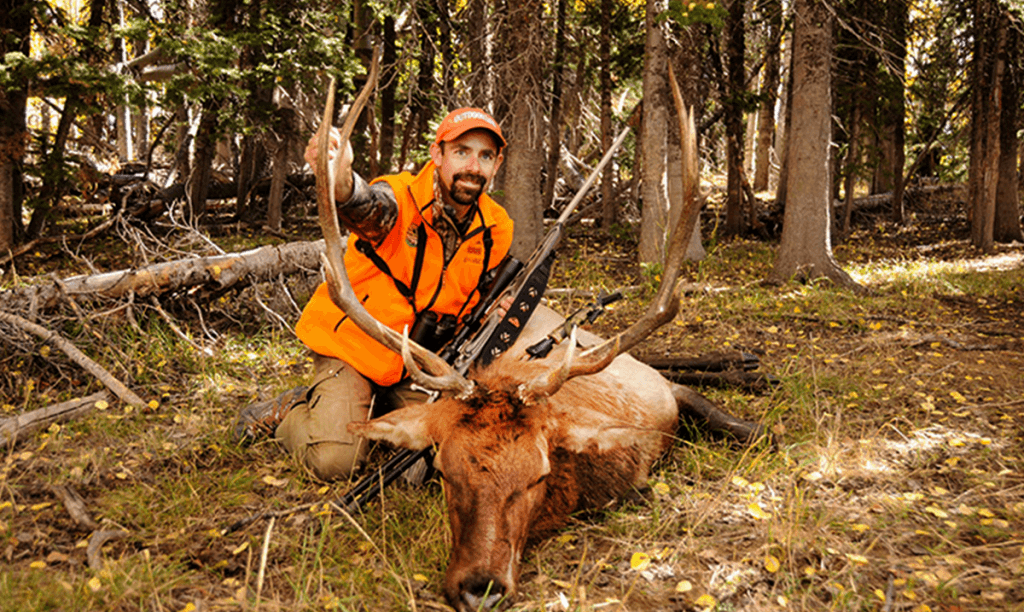
For travelers interested in understanding the difference between major North American elk types, Oregon provides one of the clearest examples.
Elk Destination Comparison
| Destination | Known For | Typical Environment |
|---|---|---|
| Colorado | Large elk population and extensive habitat | Rocky Mountains, forests and valleys |
| Wyoming | Expansive western country | Mountains and remote landscapes |
| New Mexico | Southwestern elk habitat | Mesas, mountains and pinyon-juniper country |
| Montana | Diverse elk environments | Mountains, forests and open country |
| Idaho | Rugged western landscapes | Forested mountain country |
| Oregon | Rocky Mountain and Roosevelt elk | Interior mountains and coastal forests |
This comparison is a better starting point than selecting a destination solely because of a promotional offer or headline.
Understanding Elk Habitat
Habitat plays a major role in where elk live and how populations move throughout the year.
Suitable elk country generally needs access to several basic resources:
Food: grasses, shrubs and other vegetation provide important forage.
Water: reliable water sources influence habitat use.
Cover: forests and other vegetation can provide shelter and security.
Seasonal range: summer and winter habitat requirements can be substantially different.
Migration corridors: some populations move between seasonal ranges as weather and food availability change.
These factors explain why two areas with similar-looking landscapes can support very different elk populations.
Elk and Elevation
Elevation deserves particular attention when comparing elk destinations.
Some populations occupy mountainous country where elevations can change considerably over relatively short distances.
Weather conditions can also change rapidly at higher elevations.
Someone comparing New Mexico with Colorado or Wyoming should therefore consider the specific elevation and terrain rather than assuming every western elk destination presents the same environment.
What Is the Elk Rut?
The elk rut is the annual breeding period and one of the most recognizable parts of elk behavior.
During this period, mature bulls become particularly vocal and produce the distinctive bugling calls strongly associated with western elk country.
Bull behavior and herd structure also change during this period.
The exact timing varies according to geography and environmental conditions, so the rut should be understood as a biological period rather than one universal date applying everywhere in North America.
Elk Through the Seasons
Elk behavior and habitat use change throughout the year.
Spring
As winter conditions retreat, improving vegetation creates additional feeding opportunities.
Summer
During summer, elk use areas providing suitable forage, water and cover. Mountain populations may occupy higher elevations where conditions allow.
Fall
Fall brings significant changes in elk behavior and includes the breeding period.
Weather also begins influencing seasonal movement.
Winter
Winter can dramatically change elk distribution.
Snow depth, temperature, available forage and suitable winter habitat become increasingly important.
This seasonal cycle helps explain why the same area may have noticeably different elk activity at different times of year.
Understanding Elk Migration
Some elk populations make seasonal movements between different ranges.
Migration can be influenced by:
- Snowfall
- Temperature
- Food availability
- Elevation
- Habitat conditions
This is particularly relevant to Hunt Nation’s Colorado #376 property, where seasonal movement is an important characteristic of the surrounding elk country.
Weather can influence when and how strongly these movements occur.
From an informational perspective, this demonstrates why elk distribution shouldn’t be considered static throughout the year.
Bull Elk vs. Cow Elk
A bull elk is an adult male.
A cow elk is an adult female.
Mature bulls normally develop antlers, while cows normally do not.
Body size varies according to age, genetics, nutrition, habitat quality and elk type.
Wildlife-management programs may also distinguish between different portions of an elk population when setting population objectives and regulations.
Understanding Elk Seasons and Regulations
There is no universal elk season covering every destination.
Wildlife regulations are established by individual states and jurisdictions, and requirements can change between years.
Dates and regulations can also differ between areas within the same state.
For that reason, anyone researching a particular destination should verify the latest information through the appropriate wildlife authority.
This page intentionally avoids treating temporary dates as permanent information because doing so would quickly make an evergreen guide inaccurate.
How Much Does an Elk Trip Cost?
There is no single accurate price that applies to every elk-related trip.
Overall costs can vary according to:
- Destination
- Trip duration
- Accommodation
- Transportation
- Regulatory requirements
- Services included
- Location and accessibility
- Current commercial availability
A private-ranch program in New Mexico, for example, may have a completely different cost structure from a remote Wyoming or Canadian wilderness experience.
Prices also change over time.
For this reason, older newsletter or archive prices should not automatically be treated as current rates.
Readers interested in commercial options should verify the latest information directly from the current provider or current program page.
Why Current Elk Information Matters
This is particularly important when researching elk destinations online.
Wildlife regulations, commercial programs, accommodations and availability can all change.
A destination that appeared in an older newsletter may still exist, but its dates, price or other details may no longer be the same.
Hunt Nation maintains individual program pages and its adventure catalog so current destination information can be updated independently from evergreen educational content.
That makes the current catalog more appropriate for checking available programs than relying on an older archived promotion.
What Should You Compare When Researching an Elk Destination?
Don’t start by asking only which destination is cheapest.
Instead, compare the complete experience.
Elk Type
Determine whether the region primarily supports Rocky Mountain elk, Roosevelt elk or another population.
Habitat
Compare forests, mountain country, meadows, valleys and other environments.
Terrain
Some destinations involve relatively accessible ranch country, while others are much more remote.
Elevation
Higher elevation can affect weather and overall travel conditions.
Seasonal Conditions
Weather and elk distribution can change significantly throughout the year.
Accessibility
Consider airports, road travel, accommodation and how remote the destination is.
Regulations
Always verify current regulations directly with the responsible wildlife authority.
Accommodation
Accommodation can range from established lodge-style properties to more remote arrangements.
These factors provide a much more meaningful comparison than simply choosing the destination with the biggest advertisement.
Elk Conservation and Management
Healthy elk populations depend on active wildlife management and suitable habitat.
Management programs can involve:
- Population monitoring
- Habitat improvement
- Migration research
- Winter-range protection
- Disease monitoring
- Population objectives
- Managing wildlife-human conflicts
The goal is not necessarily to maintain the largest possible population everywhere.
Wildlife populations need to remain sustainable relative to available habitat and broader ecosystem conditions.
Understanding conservation provides important context for anyone researching elk because population-management decisions can influence regulations and regional wildlife policies.
Frequently Asked Questions About Elk
What is an elk?
An elk (Cervus canadensis) is a large member of the deer family. Elk are widely distributed across western North America.
Where are elk found in the United States?
Major populations occur across western states including Colorado, Wyoming, Montana, Idaho, Utah, New Mexico, Arizona, Oregon and Washington.
Is Colorado known for elk?
Yes. Colorado is one of North America’s most important elk states and contains extensive Rocky Mountain elk habitat.
Are there elk in New Mexico?
Yes. New Mexico supports established elk populations across mountain, mesa, forest and high-country environments.
What is a bull elk?
A bull is an adult male elk.
What is a cow elk?
A cow is an adult female elk.
What is the difference between Rocky Mountain and Roosevelt elk?
Rocky Mountain elk are widely distributed across the interior West. Roosevelt elk are primarily associated with the Pacific Northwest and generally have heavier bodies and darker coloration.
What is the elk rut?
The rut is the annual breeding period. Mature bulls become particularly vocal during this period and produce their distinctive bugling calls.
Do elk migrate?
Some elk populations make seasonal movements between ranges. Weather, snow, food availability, elevation and habitat conditions can influence these movements.
What habitat do elk prefer?
There isn’t one universal habitat. Depending on region and season, elk can occupy mountain forests, meadows, valleys, grasslands, foothills and coastal forests.
Which state is best for elk?
There isn’t one universally best state. Colorado, Wyoming, New Mexico, Montana, Idaho and Oregon all provide different habitat, geography and travel conditions.
Do elk regulations change?
Yes. Regulations and legal seasons are controlled by individual jurisdictions and can change. Current information should always be verified with the responsible wildlife authority.
Explore Elk Destinations With Hunt Nation
Once you’ve researched elk species, habitat and destination differences, you can narrow your search to the regions that best match your interests.
Hunt Nation has more than 27 years of experience connecting outdoor travelers with destinations across North America and around the world.
Because commercial availability changes, Hunt Nation maintains its individual program pages and catalog separately from evergreen educational guides.
For the latest destination information, readers can explore Hunt Nation’s current elk resources or contact its team for updated information.
Related Resources from Hunt Nation
- Colorado Elk Hunting — Browse Colorado outfitters and packages
- Wyoming Elk Hunting — Wyoming guided hunt options and draw strategy
- Montana Elk Hunting — Montana outfitters and wilderness trip details
- Preference Points Lookup — Check your current preference points by state
- Application Deadlines — Never miss a draw deadline again
- Gear List — Hunt Nation’s recommended packing list for western hunts
- State Regulations — Direct links to official state wildlife agencies
Hunt Nation has been connecting hunters with premier adventures worldwide since 1996. 27+ years of service. 350+ vetted outfitters. No booking fees. Call 307-637-5495 or visit hunt-nation.com.