

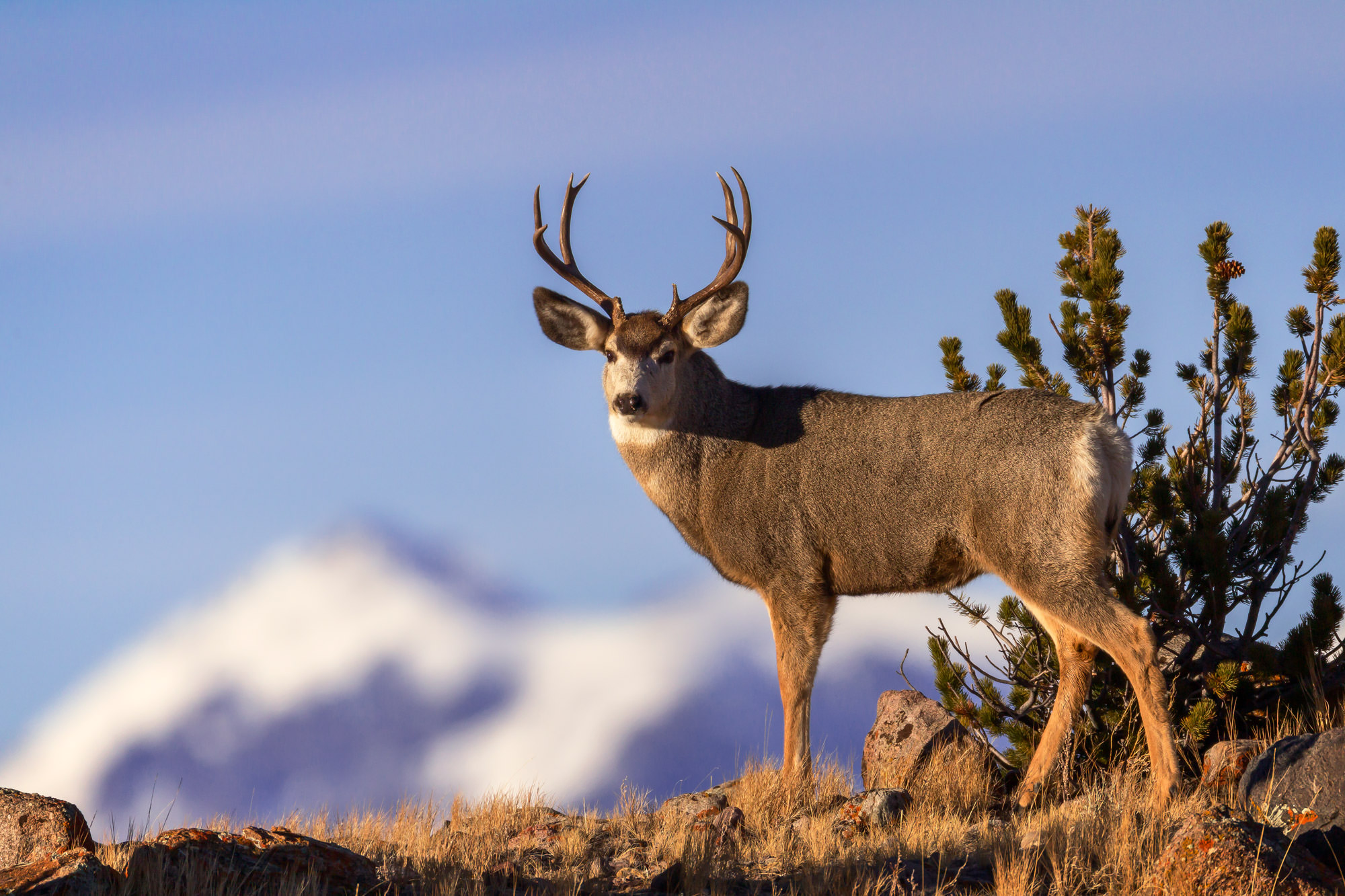
Mule deer hunts are among the most popular big game hunts in North America. Mule deer inhabit vast and diverse landscapes, from open plains and desert basins to high alpine ridges and rugged mountain ranges. Their size, antler genetics, and behavior make them a top choice for both first-time western hunters and experienced big game hunters.
If you are researching mule deer hunts, you are likely asking a few important questions. Where are the best places to hunt mule deer? How much does a mule deer hunt cost? Is a guided hunt worth it? And what kind of physical effort should you expect?
This guide answers those questions clearly and honestly, helping you understand how mule deer hunts work and how to choose the right option for your goals.
What mule deer hunts involve
Mule deer are different from whitetail deer in both behavior and habitat. They rely heavily on open terrain, elevation changes, and seasonal migration. Mule deer hunts often involve long glassing sessions, spot-and-stalk approaches, and hiking through steep or uneven country.
Success depends on patience, physical preparation, and understanding how mule deer move throughout the season. Unlike some other deer species, mule deer often reward hunters who are willing to cover ground and spend time behind optics.
Where can you hunt mule deer
Mule deer are found primarily in the western and southwestern United States, with limited populations in parts of Canada and Mexico. Most mule deer hunts take place in western states with established management programs.
Best states for mule deer hunts
Colorado mule deer hunts
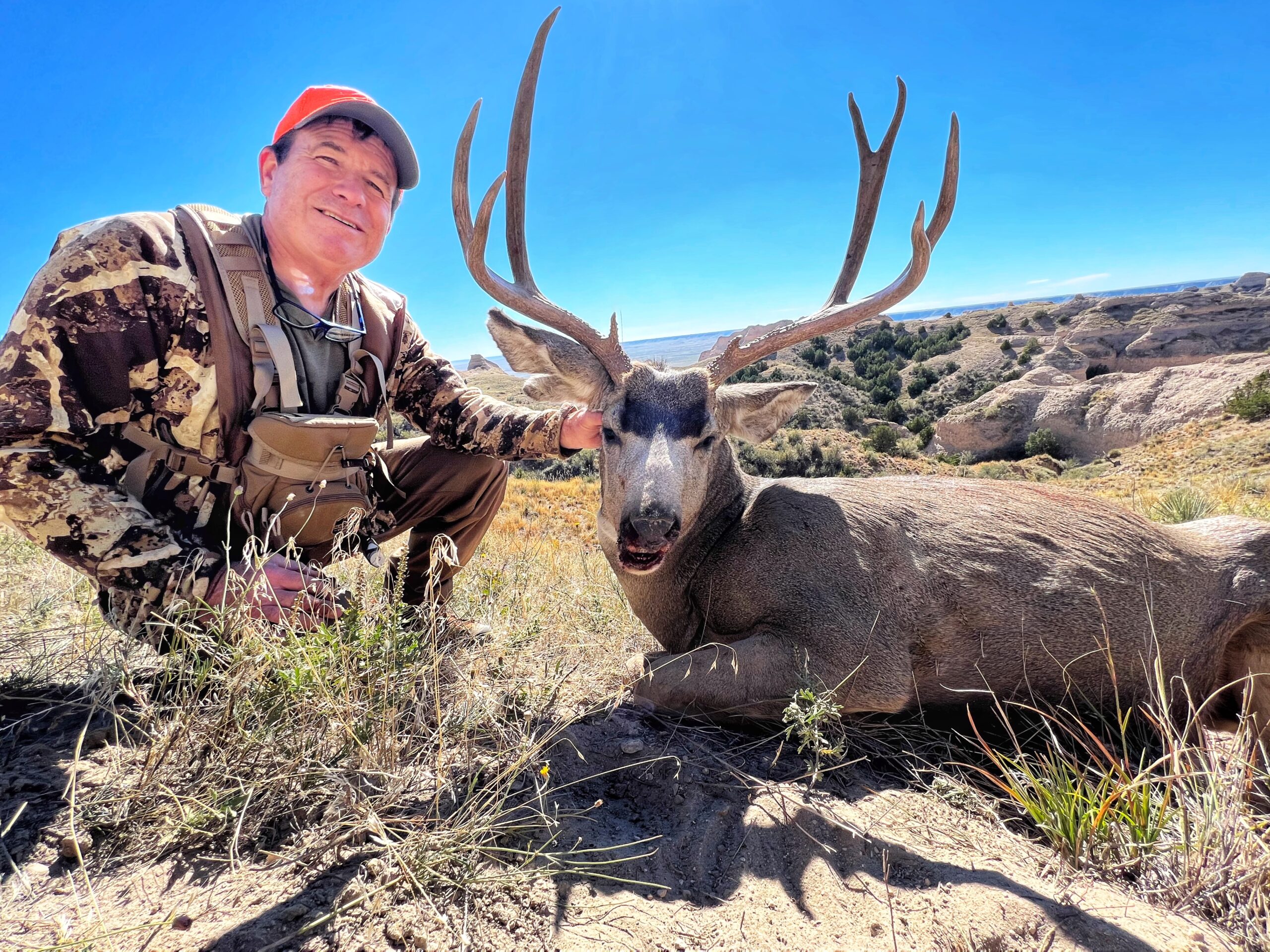
Colorado has one of the largest mule deer populations in the country. Many units offer over-the-counter or easily drawn tags, making Colorado a top destination for opportunity hunts. Terrain varies from rolling plains to high mountain basins.
Wyoming mule deer hunts
Wyoming is known for strong mule deer genetics and excellent trophy potential. Hunts often involve migration corridors and open country glassing. Tags are more limited, but quality is high.
Utah mule deer hunts
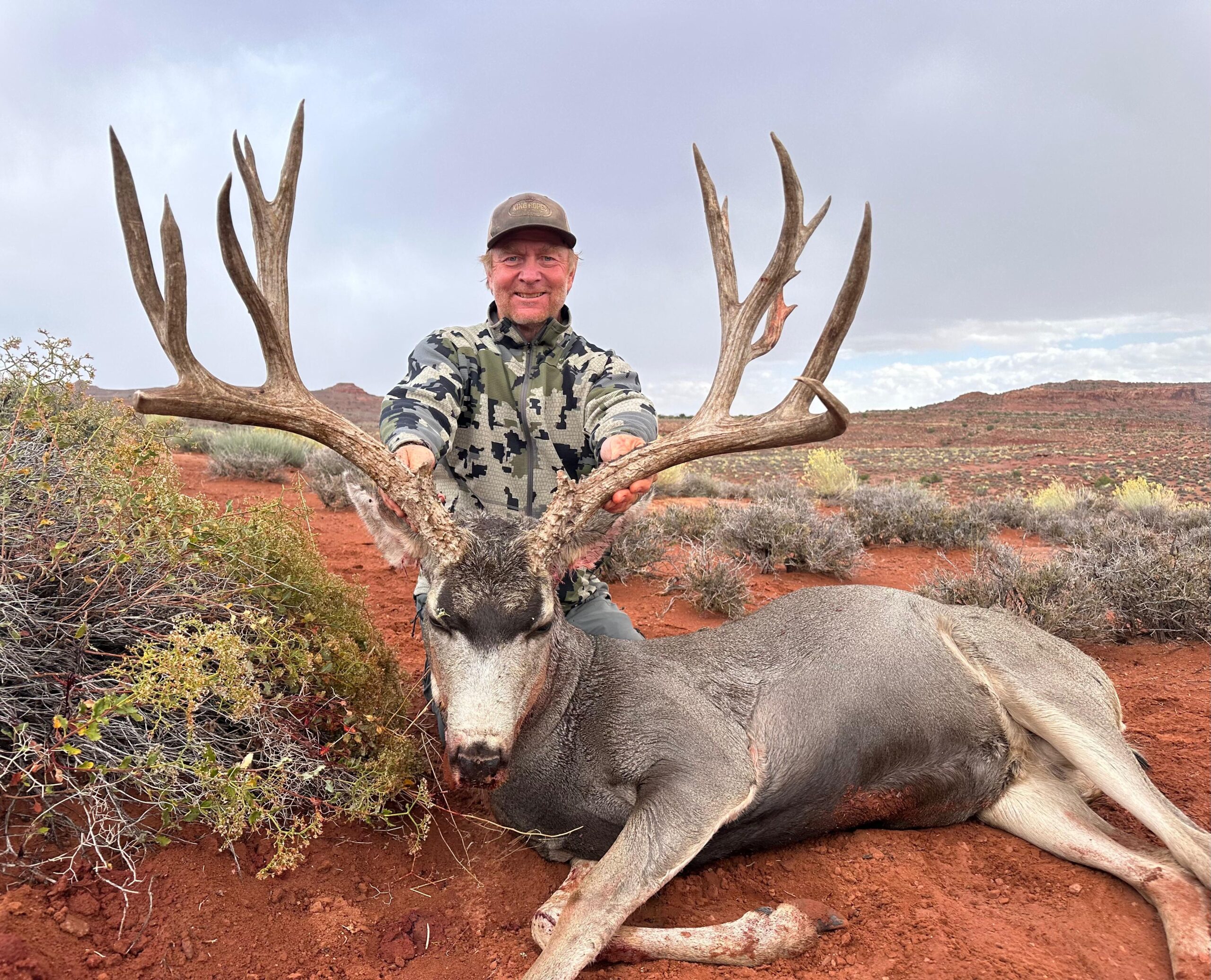
Utah offers some of the best trophy mule deer hunts in North America. Many hunts are draw-based with limited tags, but private land and conservation permits can offer access to premium opportunities.
Texas mule deer hunts
Texas mule deer hunts are typically conducted on private land. Terrain includes desert flats, brush country, and canyon systems. These hunts often provide higher success rates with less physical demand.
Guided vs DIY mule deer hunts
Choosing between a guided or do-it-yourself mule deer hunt depends on experience, budget, and expectations.
DIY mule deer hunts
DIY hunts offer independence and lower cost, but require:
-
Knowledge of terrain and access
-
Scouting time
-
Understanding of tag systems
-
Strong navigation skills
DIY mule deer hunts are best for hunters who enjoy planning and are comfortable learning a new area.
Guided mule deer hunts
Guided mule deer hunts provide:
-
Access to proven areas
-
Local knowledge of deer movement
-
Help with spotting, stalking, and recovery
-
Reduced logistical stress
Guided hunts are ideal for non-resident hunters, first-time western hunters, or those targeting trophy-quality bucks.
Mule deer hunt prices explained
Pricing varies widely based on location, land access, and hunt type. Below are realistic ranges hunters can expect.
Average mule deer hunt prices
| Hunt Type | Typical Price Range |
|---|---|
| DIY public land hunt | $1,500 to $3,500 |
| Semi-guided mule deer hunt | $3,000 to $5,500 |
| Fully guided mule deer hunt | $5,000 to $9,000 |
| Private land mule deer hunt | $6,000 to $12,000 |
Mule deer hunt prices by state
| State | Typical Cost Range |
|---|---|
| Colorado | $4,000 to $7,000 |
| Wyoming | $5,500 to $9,500 |
| Utah | $6,000 to $12,000 |
| Texas | $4,500 to $10,000 |
Prices usually do not include licenses, tags, or travel unless specified.
What is usually included
| Commonly Included | Often Additional |
|---|---|
| Guide services | License and tags |
| Lodging or camp | Travel to the hunting area |
| Meals in camp | Meat processing |
| Field assistance | Trophy shipping |
Clarifying inclusions before booking prevents misunderstandings.
Physical difficulty and terrain
| Location | Physical Demand |
|---|---|
| Plains and desert units | Low to moderate |
| Foothills and rolling terrain | Moderate |
| Mountain and alpine hunts | Moderate to high |
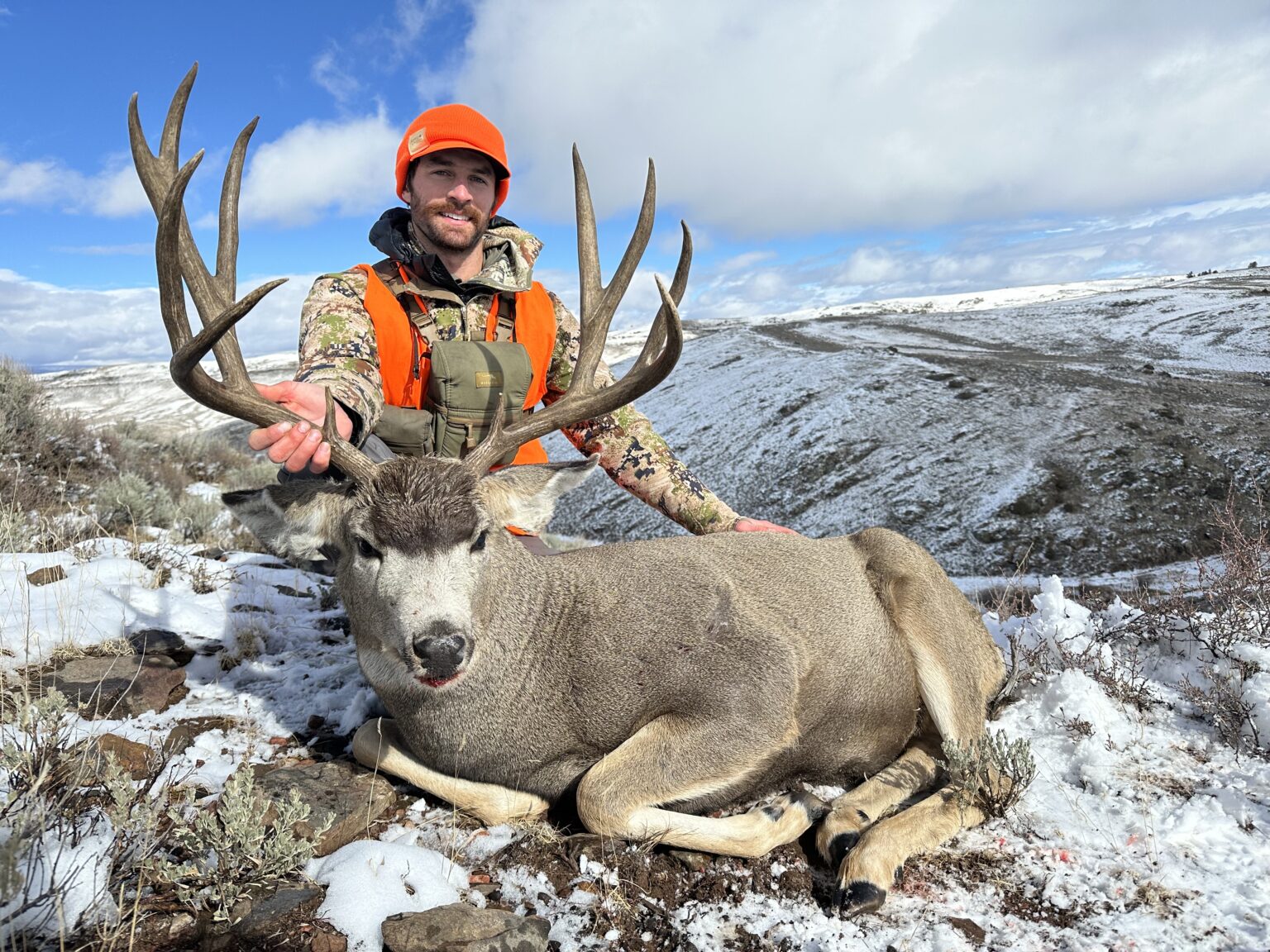
Mule deer hunts often require long hikes and elevation changes. Fitness improves success and enjoyment.
Best time of year for mule deer hunts
| Season | Characteristics |
|---|---|
| Early season | Patterned deer, warmer weather |
| Mid season | Migration movement begins |
| Late season | Rut activity, colder conditions |
Late-season hunts often offer the best chance at mature bucks but require tolerance for cold weather.
Tags, draws, and non-resident basics
Most states regulate mule deer hunting through:
-
Draw systems
-
Over-the-counter tags
-
Limited quota permits
Non-residents can hunt mule deer in most western states, but draw odds and tag costs vary. Planning ahead is critical.
How to choose mule deer outfitters
When evaluating mule deer outfitters, hunters should ask:
-
Is the hunt on public or private land
-
What is the guide-to-hunter ratio
-
What type of terrain is hunted
-
What level of physical effort is required
-
What size deer are typical, not exceptional
Avoid focusing only on trophy photos. A good outfitter sets realistic expectations.
Why hunters use Hunt-Nation for mule deer hunts
Hunt-Nation works as a hunting consultant rather than an outfitter. Their role is to help hunters compare mule deer hunts objectively and select options that match goals, experience level, and budget.
With over 25+ years of experience and access to hundreds of outfitters, Hunt-Nation helps hunters avoid mismatched hunts, unclear pricing, and unrealistic expectations.
Common questions about mule deer hunts
Where is the best state to hunt mule deer?
Colorado offers opportunity, Wyoming and Utah offer trophy potential, and Texas offers private-land access.
Can non-residents hunt mule deer?
Yes. Most western states allow non-resident mule deer hunting through a draw or limited tags.
Are guided mule deer hunts worth it?
For many hunters, yes. Guides improve success and reduce logistical challenges.
How long are mule deer hunts?
Most hunts last five to seven days.
Final thoughts
Mule deer hunts offer variety, challenge, and reward. From desert flats to alpine ridges, each hunt style brings a different experience. The key to success is choosing the right location, understanding costs, and matching the hunt to your expectations and fitness level.
With proper planning, mule deer hunting becomes not just a hunt, but an experience worth repeating.