

A pheasant hunt is one of the most classic upland adventures you can have: long walks through cover, explosive flushes, fast shots, and the kind of shared moments that turn into stories for years. But if you’re new (or traveling to a new state), pheasant hunting can also feel confusing fast. Where do you go? What do you wear pheasant hunting? Do you need a dog? What choke should you use?
This guide covers the essentials in plain language, plus the planning details most “beginner” articles leave out, so you can show up prepared and hunt smarter from day one.
What is a pheasant hunt?
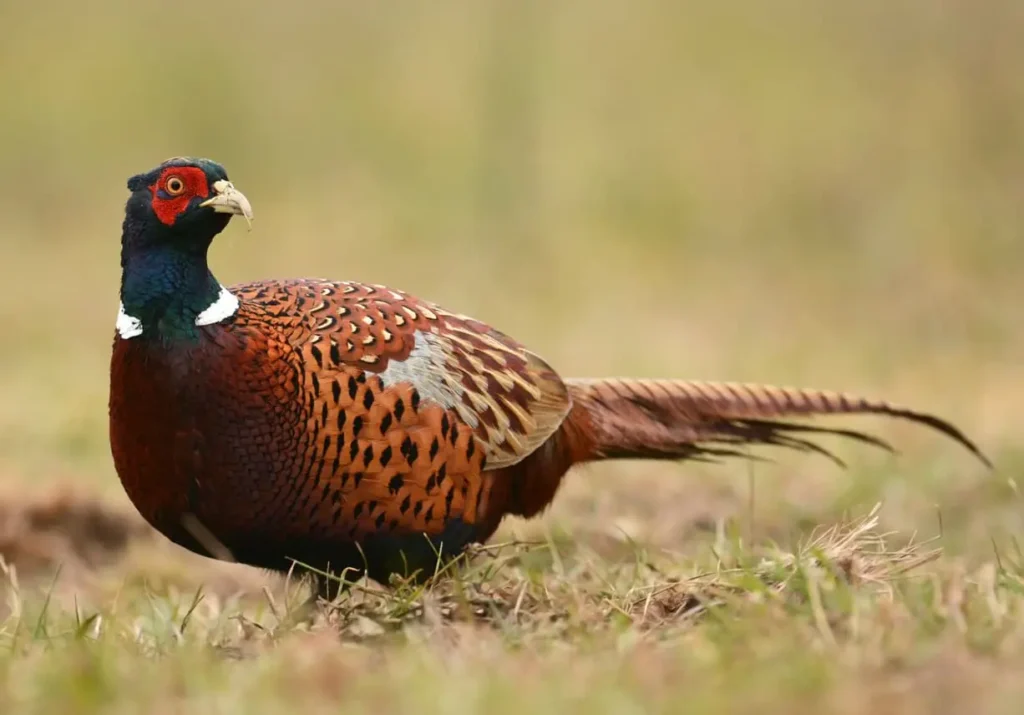
A pheasant hunt targets ring-necked pheasants in farm country, grasslands, shelterbelts, cattails, and field edges. Most hunts are “walk and flush” style: hunters move through cover to push birds into flight, then take safe, controlled shots when birds present legal opportunities.
Pheasant hunting can be done on:
- Public access land (walk-in areas, WMAs, etc.)
- Private land with permission
- Managed preserves (stocked birds, controlled hunts)
- Guided private-land hunts (often higher success and easier logistics)
When is pheasant hunting season?
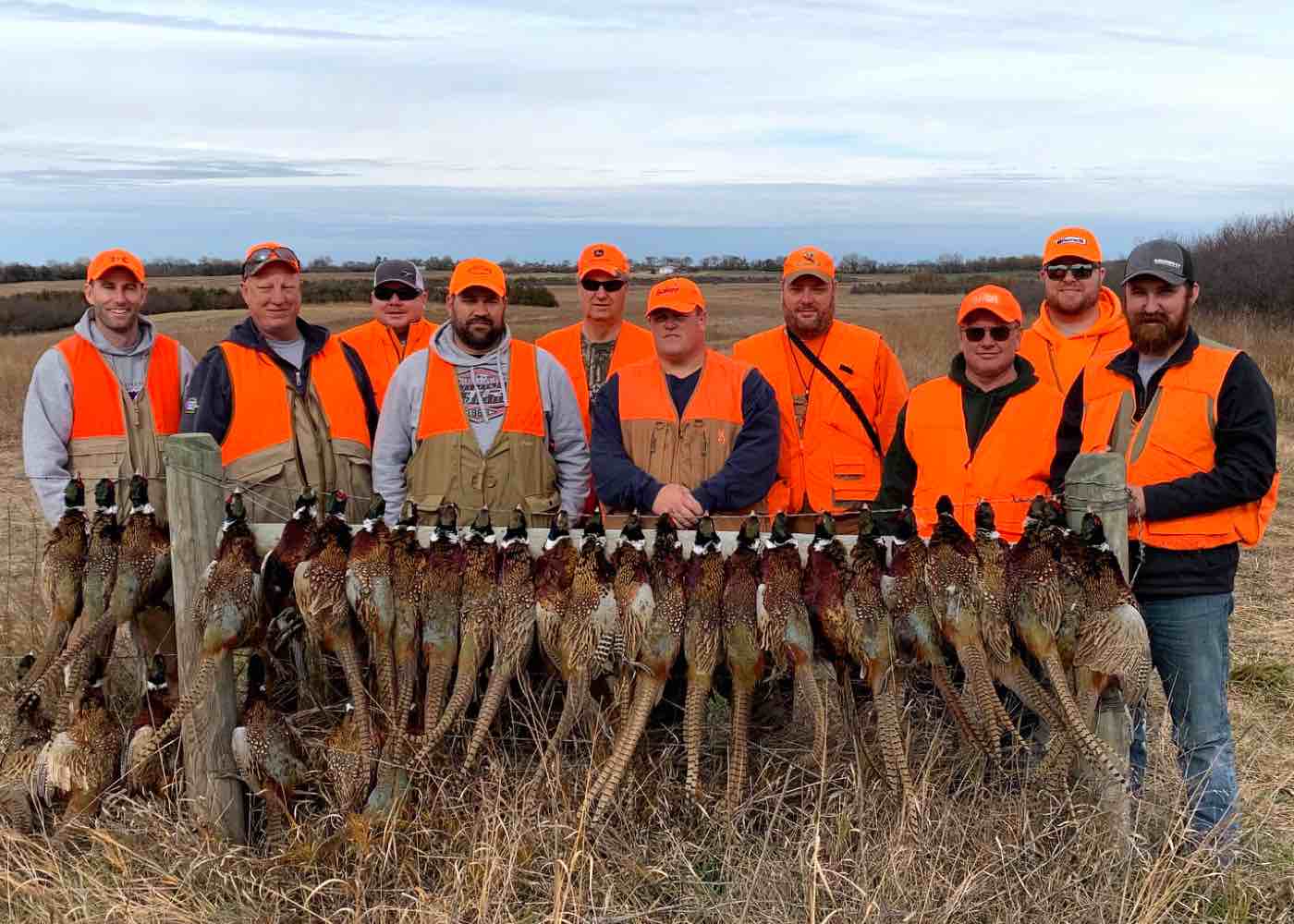
Season dates vary by state, but most pheasant seasons run through fall and into winter. The best “general rule” is:
- Early season: more birds spread out, faster running, warmer weather
- Mid season: birds pattern into food/cover routines
- Late season: tougher birds, heavier cover, but sometimes better predictability (especially after snow/cold)
Always verify your state’s current regulations before traveling.
Where to go for a pheasant hunt (best states + why)
If you’re planning a destination pheasant hunt, these states are consistently discussed as top options in mainstream guides because of bird numbers, habitat, and hunting culture:
- South Dakota (iconic destination, strong tradition; lots of trip infrastructure)
- Kansas / Nebraska / Iowa / North Dakota (solid numbers and access programs depending on the region).
A simple way to choose:
- Want the “classic trip” vibe with lots of services? Start with South Dakota.
- Want DIY potential with fewer crowds? Look at states with walk-in access programs and commit to scouting.
“Pheasant hunting near me”: how to actually find places to hunt
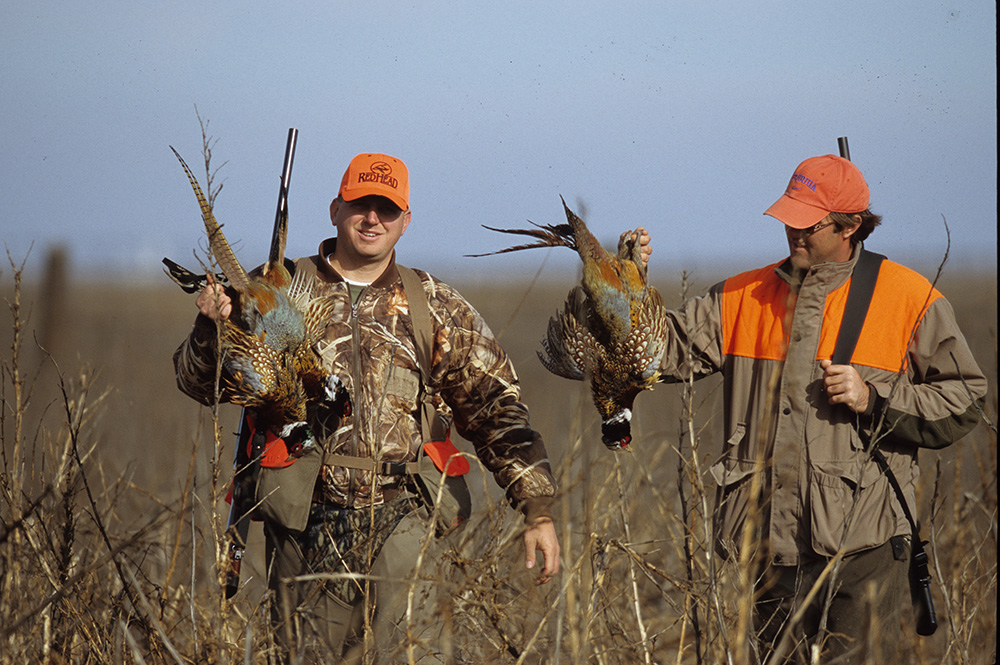
This is one of the biggest gaps online. Here’s a practical approach that works almost anywhere:
-
Start with your state wildlife agency
Look for public access layers: WMAs, walk-in access, game production areas, etc. -
Prioritize habitat, not hype
Pheasants love a mix of: food (grain), winter cover (cattails/shelterbelts), and escape routes (ditches, fencelines). -
Hunt edges first
Early in the day, birds often hold tight near feeding areas and transition cover. -
Call preserves a week in advance
If you want a guaranteed hunt day (great for beginners), preserves can be a smart first step. -
Ask for permission the right way
If you knock doors:
- show maps and boundaries clearly
- offer to hunt only certain fields
- Be respectful and accept “no” graciously
Pheasant hunting gear essentials
You don’t need fancy gear to have a good pheasant hunt, but you do need the right basics.
Must-haves
- Shotgun (12 or 20 gauge are common)
- Blaze orange (often required; always smart)
- Upland vest/game bag
- Tough boots (fields and cattails will wreck soft footwear)
- Eye and ear protection
- Water and snacks (pheasant hunts are walking hunts)
Nice-to-haves
- Light gloves (thorn protection + better grip)
- A small first-aid kit
- A way to carry birds cleanly (game strap)
What to wear pheasant hunting (comfort + safety + real-world practicality)
Plan for walking and temperature swings:
- Base layer you can sweat in (not cotton)
- Wind-resistant outer layer
- Durable pants (brush busting)
- Waterproof boots if you’ll hit cattails or wet grass
- Blaze orange hat/vest
Late season? Add:
- insulated gloves you can still shoot in
- neck gaiter/face protection for wind
- a hand warmer in the vest
How to hunt pheasant: tactics that actually work
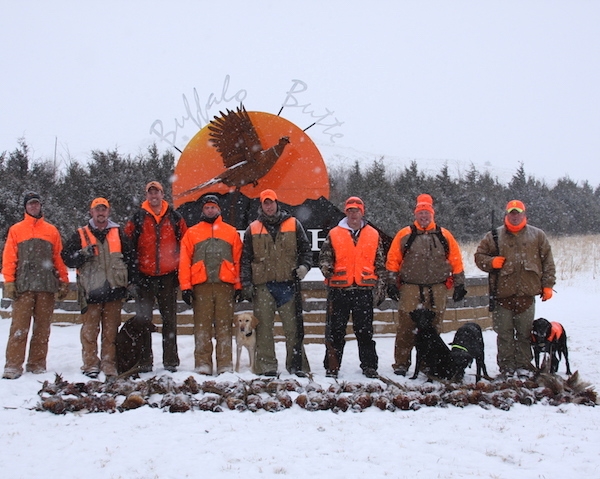
1) Hunt with a plan, not just a walk
Pheasants run. They’ll use escape routes like:
- fencelines
- ditches
- shelterbelts
- cattail slough edges
Set up your walk so you’re pushing birds toward:
- a blocker at the end
- a natural pinch point (corner, treeline, water)
2) Slow down in the good cover
Most people walk too fast. When cover gets thick, slow down and pause—birds often flush when the pressure changes.
3) Use wind to your advantage
If you can, walk into the wind. Birds often flush into the wind, which can create more predictable shot angles.
4) Don’t sky-bust
Ethical pheasant hunting is clean shooting. If the bird is out of range, let it go.
How to hunt pheasant without a dog
You can absolutely pheasant hunt without a dog—it just requires better planning and more walking. Major publishers emphasize tactics like cover selection and disciplined movement for “no dog” success.
Here are the simplest tactics for success:
- Use linear cover (fencelines, ditches, shelterbelts). Birds tend to run those routes.
- Hunt with a buddy when possible: one pushes, one blocks.
- Target late season cover: cattails and thick grass concentrate birds.
- Work corners: pheasants often hold tight near ends of cover where they feel “safe.”
- Be ready for surprise flushes: no dog means more sudden opportunities.
What choke to use for pheasant hunting (simple recommendations)
Most pheasant hunters do well with:
- Improved Cylinder early season (closer shots, faster flushes)
- Modified mid-to-late season (birds flushing farther, tougher conditions)
If you only bring one, Modified is a safe all-around choice for many hunters. Pair it with quality upland loads that pattern well in your shotgun.
DIY vs guided pheasant hunts (which fits you?)
DIY pheasant hunt
Best if you:
- enjoy scouting
- have time to learn access areas
- Don’t mind slower days while you figure birds out
Guided pheasant hunt
Best if you:
- want better odds on a short trip
- want access to private land
- Are new and want the learning curve shortened
Preserve pheasant hunt
Best if you:
- want a guaranteed day in the field
- want a beginner-friendly first experience
- Are introducing a new hunter
Common pheasant hunting mistakes
- Walking too fast through cover
- Ignoring escape routes and corners
- Poor group communication (unsafe swings)
- Shooting at birds that are too far
- Not marking where a bird fell (recovery failures)
Fix these, and you’ll feel like a different hunter.
FAQs about a pheasant hunt
What is the best time of day for a pheasant hunt?
Late morning through afternoon is often productive, especially once birds move from feeding to cover.
What should you wear pheasant hunting?
Wear blaze orange, durable boots, layered clothing, and brush-resistant pants. Dress for walking and changing weather.
How do you hunt pheasant without a dog?
Use linear cover, hunt with a partner when possible (pushers/blockers), slow down in thick cover, and focus on corners and pinch points.
What choke should I use for pheasant hunting?
Improved Cylinder works well early season; Modified is a great all-around option for mid/late season.
Where is the best pheasant hunting in the U.S.?
South Dakota is a famous destination, and other strong states often discussed include Kansas, Nebraska, Iowa, and North Dakota.
Do you need a dog for pheasant hunting?
No, but dogs improve bird finding and recovery. Many hunters still succeed without one with the right strategy.
Ready to plan your pheasant hunt?
If you want help choosing a destination, understanding seasons and access, or lining up a guided pheasant hunt that matches your group, Hunt Nation can help you plan with confidence.
Contact Hunt Nation
- Phone: +1 307-637-5495
- Email: info@hunt-nation.com