The woodcock bird, also known as the American woodcock or “timberdoodle,” is one of the most unique and fascinating upland game birds in North America. Known for its long bill, camouflage plumage, and erratic flight patterns, the woodcock bird offers both wildlife enthusiasts and hunters a truly exciting experience.
Whether you are interested in learning about the bird’s habitat and behavior or planning a woodcock hunting trip, understanding this species is essential.
What Is a Woodcock Bird?
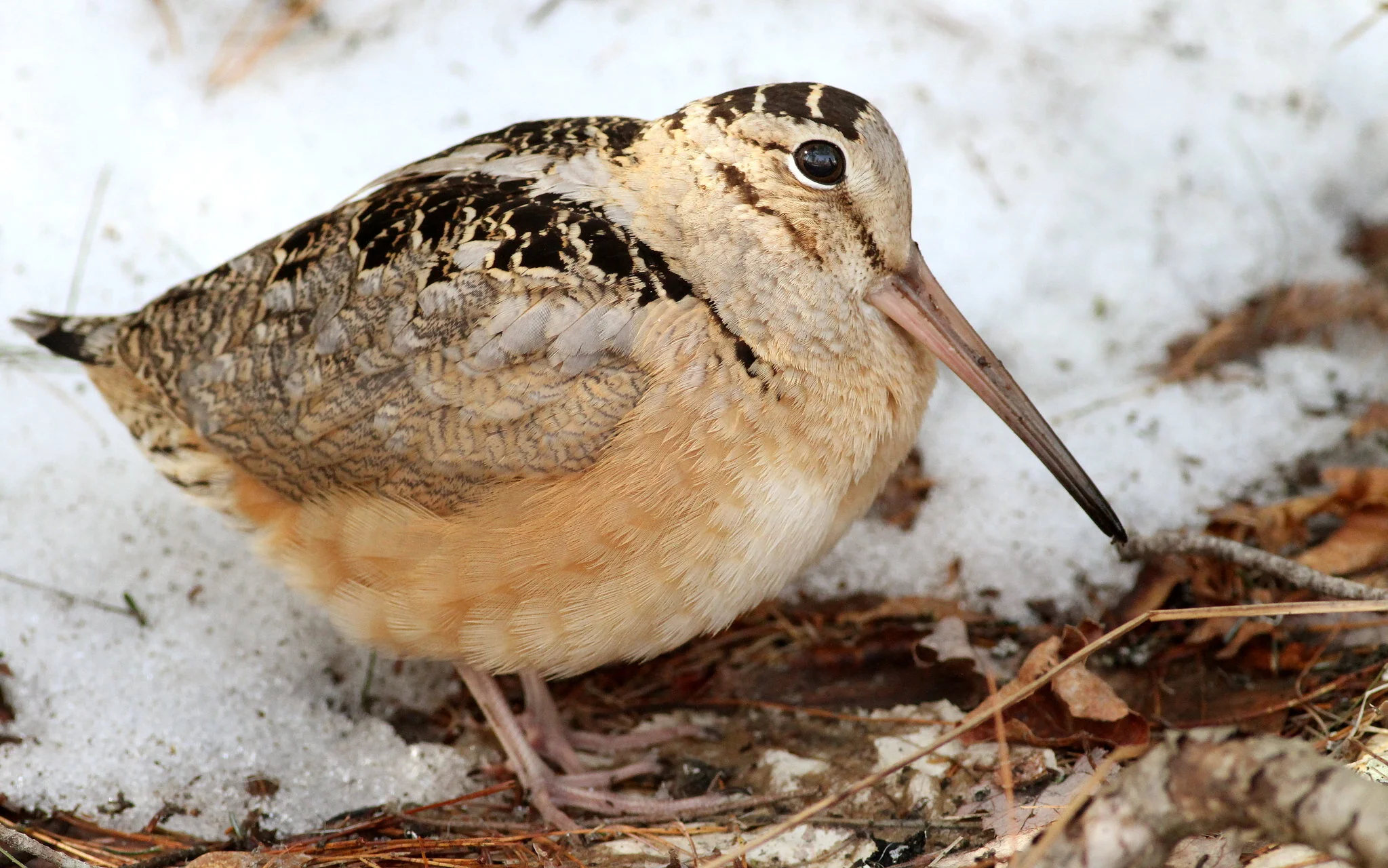
The woodcock bird is a migratory shorebird that has adapted to forest environments. Unlike most shorebirds, woodcocks live in:
- Dense young forests
- Wetlands and thickets
- Moist soil areas rich in earthworms
They are most commonly found across the eastern United States and Canada.
Key Characteristics
- Long, straight bill used to probe soil
- Rounded body with short legs
- Excellent camouflage with brown and gray feathers
- Large eyes positioned high on the head for wide vision
These features make the woodcock bird highly adapted to life in thick cover.
Woodcock Bird Habitat & Range
Understanding habitat is crucial for both bird watchers and hunters.
Woodcock birds prefer:
- Young forests (aspen, alder, birch)
- Overgrown fields
- Wet, soft soil areas
- Edge habitats between forest and open land
Migration Pattern
Woodcock birds are migratory:
- Northern U.S. & Canada (breeding season)
- Southern U.S. (wintering areas like Louisiana & Texas)
Timing your trip around migration is key to success.
Woodcock Bird Behavior
The woodcock bird has several unique behaviors that make it stand out.
Feeding Behavior
They primarily feed on:
- Earthworms
- Insects
- Larvae
They use their long bill to probe soft soil and detect movement underground.
Flight Pattern
Woodcock are famous for their:
- Fast, zig-zag flight
- Low flushing pattern
- Sudden takeoff from cover
This makes them a challenging and exciting bird to hunt.
Mating Display
Male woodcock perform a unique “sky dance”:
- Spiral flight upward
- Chirping sounds
- Fluttering descent
This display is often seen during spring.
Woodcock Hunting: A Unique Upland Experience
Woodcock hunting is a fast-paced upland hunting sport that requires quick reflexes and good shooting skills.
It is especially popular in:
- Eastern United States
- Great Lakes region
- Southern migration zones
Why Hunters Love Woodcock Hunting
- Challenging flight patterns
- High bird movement during migration
- Excellent training for bird dogs
- Classic upland hunting experience
Woodcock hunting is often combined with grouse hunting for a full upland adventure.
How to Hunt Woodcock Birds
Successful woodcock hunting requires understanding habitat and movement.
1. Target the Right Habitat
Focus on:
- Alder thickets
- Young forests
- Moist soil areas
Woodcock birds stay close to food sources.
2. Hunt During Migration
Migration timing is critical.
- Early season: Northern states
- Late season: Southern states
3. Use Bird Dogs
Dogs play a major role in woodcock hunting.
- Pointing dogs locate birds
- Flushing dogs push birds into flight
This increases success rates significantly.
4. Be Ready for Quick Shots
Woodcock flush quickly and unpredictably.
Hunters should:
- Keep shotgun ready
- React fast
- Focus on short-range shots
Best Gear for Woodcock Hunting
Having the right gear improves performance.
Shotguns
- 20-gauge or 28-gauge preferred
- Lightweight for quick handling
Ammunition
- #7.5 or #8 shot
- Ideal for short-range shooting
Clothing
- Brush pants or chaps
- Waterproof boots
- Lightweight jacket
Woodcock hunting often takes place in dense, wet terrain.
Woodcock Hunting Regulations
Woodcock are migratory birds and are regulated.
Hunters must:
- Obtain a hunting license
- Register for HIP certification
- Follow daily bag limits
- Use compliant shotguns (plugged capacity)
Always check local wildlife regulations before hunting.
Where to Hunt Woodcock
Top locations include:
- Michigan
- Wisconsin
- Minnesota
- Maine
- Pennsylvania
- Louisiana
- Texas
Each region offers different opportunities depending on migration timing.
Why the Woodcock Bird Is Important
Beyond hunting, the woodcock bird plays a role in:
- Ecosystem balance
- Soil health
- Biodiversity
Conservation efforts focus on maintaining young forest habitats essential for their survival.
Plan Your Woodcock Hunting Trip
At Hunt Nation, we help hunters explore upland hunting opportunities across North America.
Whether you’re looking for:
- Guided upland bird hunts
- Multi-species hunting trips
- Custom hunting experiences
We connect you with trusted outfitters.
Explore Hunting Trips: https://www.hunt-nation.com/catalog-search/
Woodcock Bird FAQs
What is a woodcock bird?
A woodcock bird is a migratory upland game bird known for its long bill, camouflage, and unique flight pattern.
Where are woodcock birds found?
They are found across the eastern United States and Canada, especially in young forests and moist soil areas.
Why is woodcock hunting popular?
Because of the bird’s fast, unpredictable flight and the challenge it presents to hunters.
What is the best time to hunt woodcock?
During fall migration, typically from October through December depending on location.
Do you need a dog for woodcock hunting?
Not required, but bird dogs greatly improve success and help locate birds in dense cover.
What shotgun is best for woodcock hunting?
A lightweight 20-gauge or 28-gauge shotgun is commonly used for quick handling.