

Wolves hunting is one of the most misunderstood and complex topics in modern hunting. Unlike common game species, wolves sit at the center of conservation, wildlife management, and legal regulation. For hunters researching this topic, the primary questions are rarely about equipment or tactics alone. Instead, they focus on legality, location, difficulty, and whether wolf hunting is even an option.
This guide is written specifically for hunters seeking clear, factual, and practical information about wolves hunting. It explains where wolf hunting is legal, why it is regulated so closely, what challenges hunters face, and how wolf management fits into broader wildlife conservation efforts. The focus is on lawful, ethical hunting by licensed hunters in approved regions.
Understanding Wolves Hunting vs. How Wolves Hunt
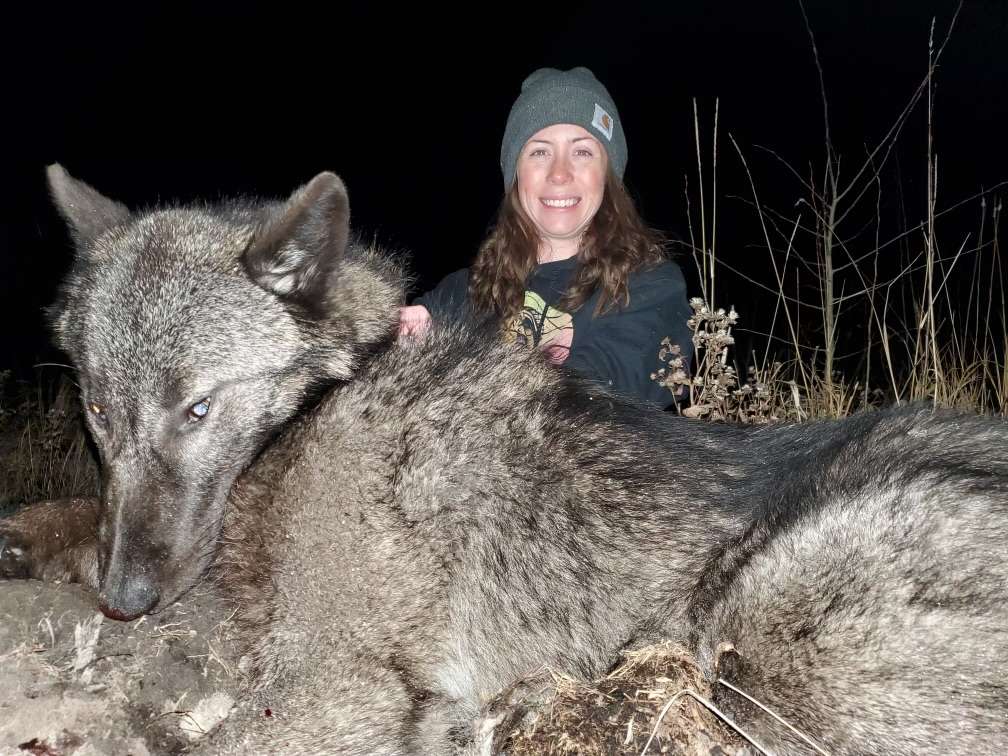
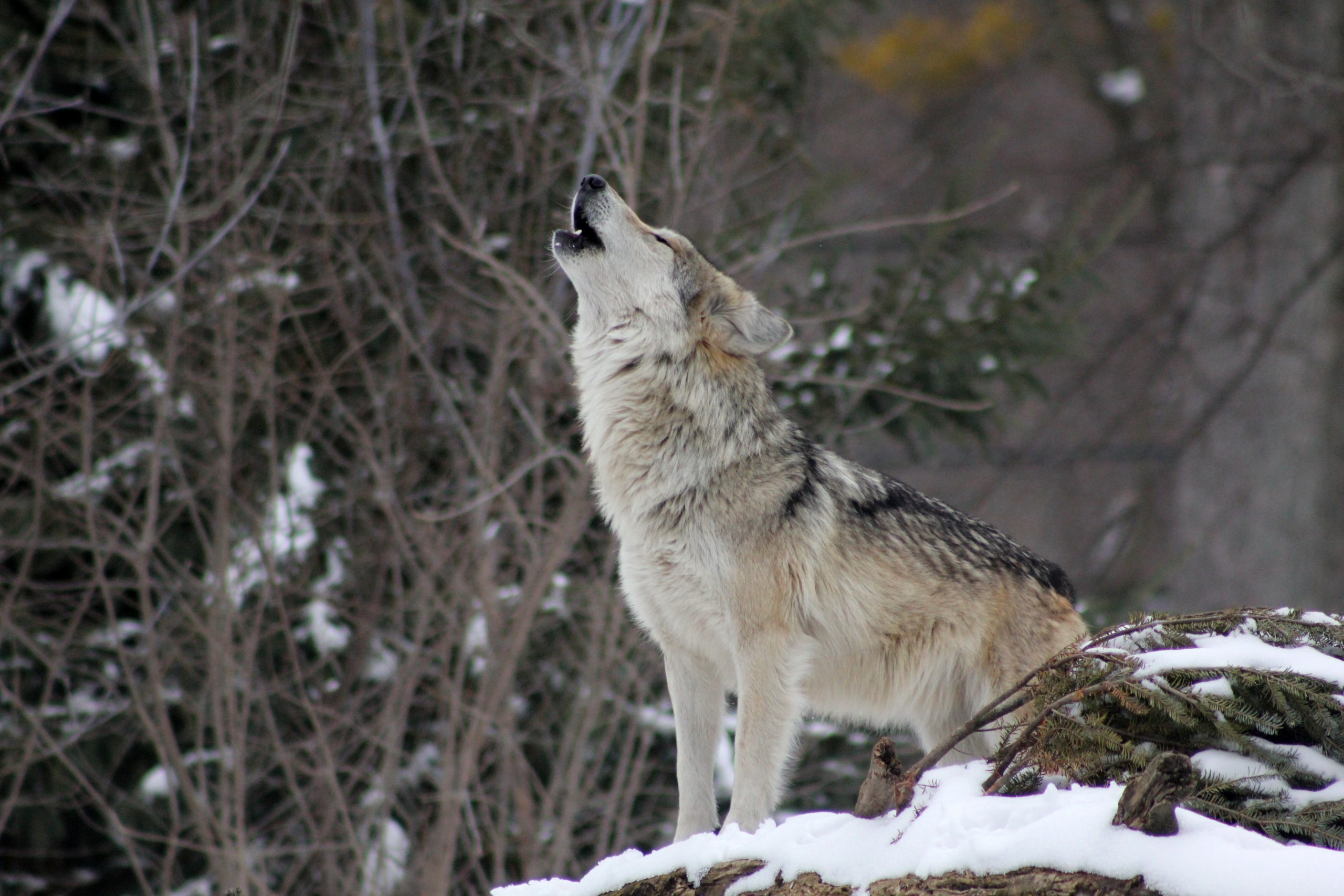
One major reason this topic ranks inconsistently in search results is confusion between two very different meanings. Many people search “wolves hunting” to learn how wolves hunt prey, while others are looking for information about hunting wolves legally.
This guide focuses on the legal hunting of wolves by licensed hunters, not the biological behavior of wolves hunting prey. Clarifying this distinction early is essential for hunters looking for accurate and relevant information.
Is Wolves Hunting Legal?
Yes, wolves hunting can be legal, but only in specific locations and under strict regulations. Wolf populations are managed differently than most game species because their conservation status varies by region.
In the United States, wolf hunting legality depends on:
-
State wildlife management authority
-
Federal protections or delisting status
-
Population numbers and recovery goals
-
Season-specific regulations
In some states, wolves are classified as game animals with regulated hunting seasons. In others, they remain fully protected. Laws can change from year to year, making it critical for hunters to rely on current, official regulations rather than outdated information.
Where Is Wolves Hunting Allowed?

Legal wolf hunting opportunities are limited and highly regulated. States where wolves hunting has historically been allowed include areas with established wolf populations and active management programs.
Commonly Referenced Regions
- Alaska, where wolves are managed as part of predator control and wildlife balance programs
- Certain Northern Rocky Mountain states during periods when wolves are delisted and seasons are approved
Each state sets its own rules regarding seasons, methods, quotas, and reporting requirements. Some areas allow hunting only during narrow time windows, while others may limit harvest through tag systems.
Hunters researching where wolves can be hunted should always verify current regulations directly with state wildlife agencies before making plans.
Why Are Wolves Hunted?
This is one of the most common and controversial questions associated with wolves hunting. From a wildlife management perspective, regulated wolf hunting exists for several reasons.
Wolves are apex predators that can significantly impact prey populations, particularly deer, elk, and moose. In some regions, controlled hunting is used as a management tool to help maintain balance between predator and prey species and to reduce conflicts with livestock and rural communities.
It is important to understand that legal wolf hunting is not random or uncontrolled. It is based on population data, management objectives, and long-term conservation planning.
How Challenging Is Wolves Hunting?
From a hunter’s perspective, wolves are among the most difficult animals to hunt legally. Success rates are typically very low, even in areas where seasons are open.
Several factors contribute to this difficulty:
-
Wolves are highly intelligent and cautious
-
They cover large territories
-
They often travel in remote, rugged terrain
-
They quickly adapt to human pressure
Unlike calling predators such as coyotes, wolves are far less predictable and much harder to pattern. Many licensed hunters spend entire seasons without encountering a legal opportunity.
Because of this, wolves hunting is often described as a test of patience, persistence, and realistic expectations rather than a harvest-focused pursuit.
Wolves Hunting Seasons and Regulations
When wolf hunting seasons are approved, they are usually short and tightly controlled. Regulations often include:
-
Specific season dates
-
Limited weapon types
-
Mandatory reporting and check-in requirements
-
Harvest quotas that can close seasons early
In some states, seasons may be suspended or reinstated depending on legal rulings or population reviews. Hunters must stay informed throughout the season, as closures can occur with little notice.
Ethical Considerations in Wolves Hunting
Ethics play a major role in public perception and the regulation of wolves hunting. Hunters who pursue wolves legally are expected to follow not only the letter of the law but also high ethical standards.
This includes:
- Respecting quotas and closures
- Taking responsible shots
- Avoiding unnecessary pressure on wolf packs
- Understanding the broader role of wolves in the ecosystem
Ethical conduct by hunters is essential to maintaining legal hunting opportunities and public trust in wildlife management programs.
Common Questions About Wolves Hunting
Can you hunt wolves in the United States?
Yes, but only in certain states and only during approved seasons. Legality varies year to year.
Why is wolves hunting so regulated?
Wolves were once endangered in many regions, and their populations are still closely monitored to ensure long-term sustainability.
Is wolves hunting similar to other predators hunting?
No. Wolves are far more cautious, wide-ranging, and difficult to hunt than species like coyotes.
Are guided wolf hunts available?
In regions where wolf hunting is legal, some licensed outfitters may offer guided opportunities, but success is never guaranteed due to the species’ behavior and low encounter rates.
The Reality for Hunters Researching Wolves Hunting
For most hunters, wolves hunting is less about filling a tag and more about understanding wildlife management, legality, and realistic expectations. It is not a high-success hunt, and it requires significant research, patience, and respect for regulations.
Hunters interested in this topic are best served by focusing on education first: learning where it is legal, why regulations exist, and what challenges come with pursuing one of North America’s most intelligent predators.
Conclusion
Wolves hunting is one of the most regulated and demanding forms of hunting in North America. It exists within a narrow legal framework designed to balance conservation, ecosystem health, and human interests. For licensed hunters researching this topic, clarity and accuracy matter more than hype.
Understanding where wolf hunting is legal, how regulations work, and why success rates are low helps set realistic expectations and supports responsible decision-making. When approached lawfully and ethically, wolves hunting remains a highly specialized pursuit that reflects the complexity of modern wildlife management.
For hunters seeking guidance on legal hunting opportunities, regulatory clarity, or professionally supported hunting services through a fully licensed platform, Hunt Nation can be reached at +1 307-637-5495 or info@hunt-nation.com.