Bear hunting pulls hunters into some of the wildest country left in North America, from Alaskan salmon streams to Appalachian hardwood ridges. But it is also one of the most misunderstood pursuits in the hunting world. Regulations shift completely from state to state, methods that are legal in Idaho can get a hunter fined in California, and the cost of a hunt can range from a few hundred dollars for a resident tag to nearly thirty thousand dollars for a guided Alaska brown bear trip.
This guide answers the questions hunters actually search for before booking: what a bear hunting season looks like, which methods are legal where, what a hunt really costs, and whether a guided trip or a DIY tag makes more sense.
Everything You Need to Know Before You Book a Bear Hunt
Is Bear Hunting Legal in the US?
Yes. Bear hunting is legal and actively regulated in more than 30 U.S. states, along with most Canadian provinces. State wildlife agencies manage bear populations through licensed seasons, tag quotas, and mandatory harvest reporting. The confusion usually comes from the fact that legal methods, season windows, and even hunting zones within the same state can differ block by block, so a hunter planning a trip needs to check the specific state and unit, not just the country as a whole.
Black Bear, Brown Bear or Grizzly: Know the Difference Before You Plan
The species drives everything else about the hunt.
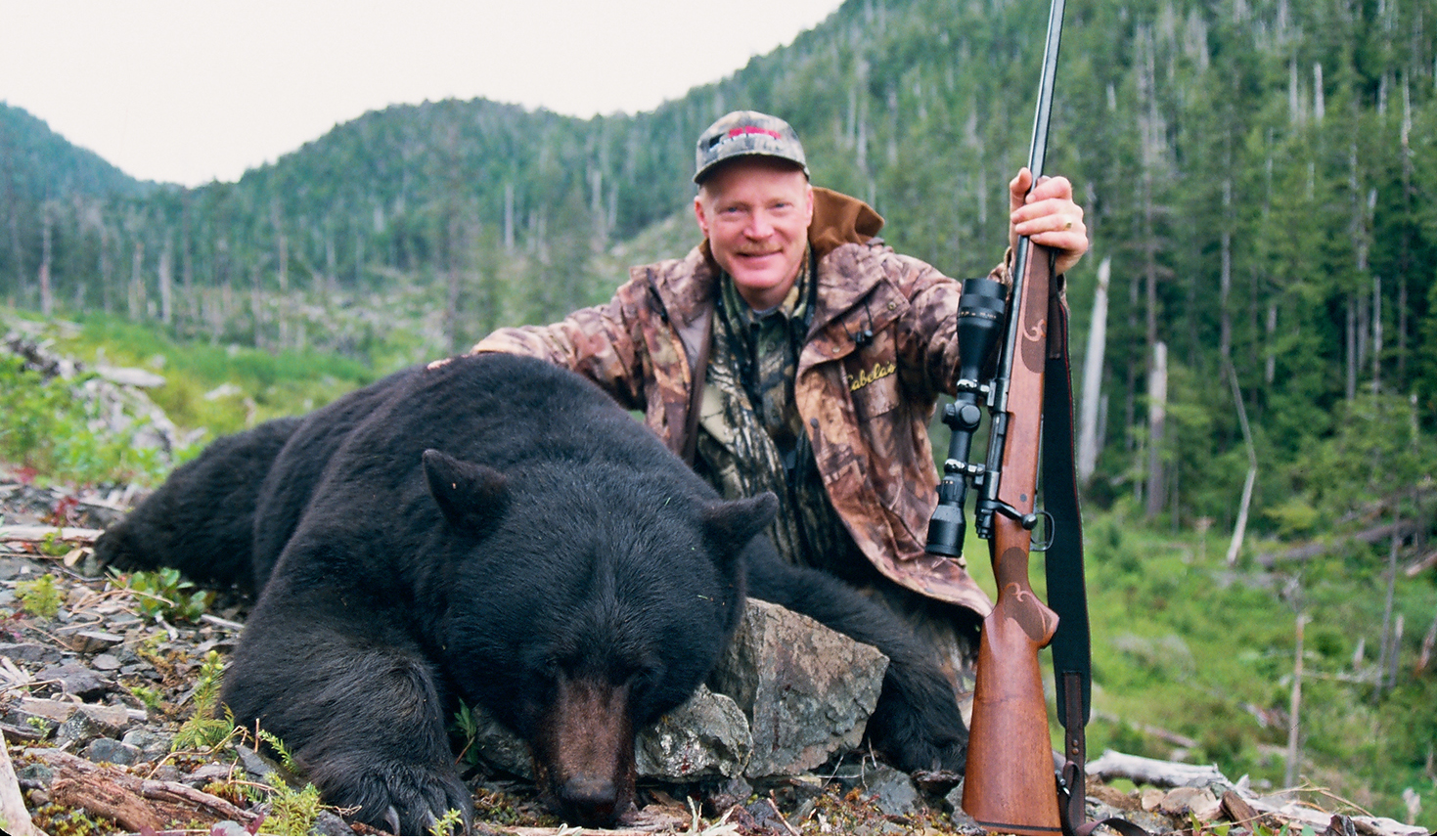
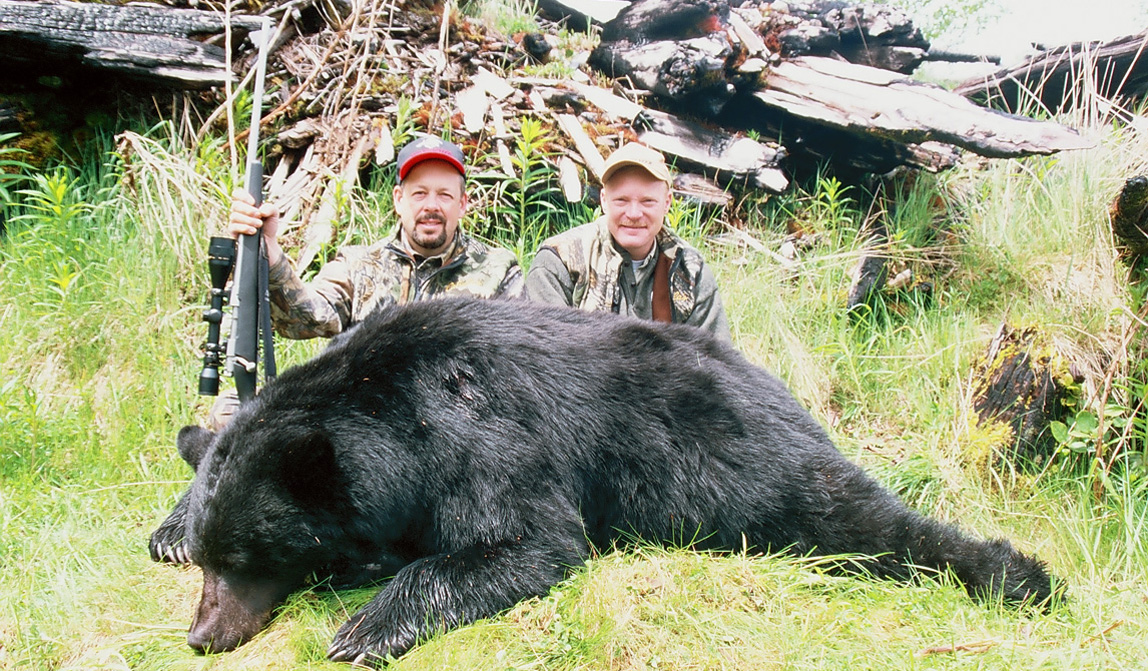
American black bear hunting is the most accessible option, with healthy populations across Alaska, Idaho, Montana, Maine, Wisconsin, and the Appalachian states. Colors range from jet black to cinnamon and blonde phases depending on region.
Brown bear and grizzly bear hunting is far more specialized. These hunts concentrate in Alaska and parts of Canada, demand serious physical conditioning, and in most jurisdictions require a licensed guide for non-resident hunters. A Kodiak Island brown bear hunt, for example, is widely considered the top trophy pursuit in the sport, and pricing reflects that exclusivity.
Bear Hunting Season: Spring vs Fall
Bear seasons fall into two windows, and each rewards a different approach.
Spring season, generally running April through June, catches bears fresh out of hibernation. They are hungry, focused almost entirely on feeding, and predictable, which makes glassing open, south-facing slopes at dawn and dusk an effective tactic.
Fall season, typically August through November, coincides with hyperphagia, the period when bears pack on fat before denning. This is prime time for baiting where it is legal, and it often overlaps with deer and elk season for hunters wanting to combine trips.
Application deadlines matter just as much as the season dates. Some states run strict lottery draws with narrow application windows, while others sell tags over the counter with no draw required at all.
Legal Bear Hunting Methods (They Vary by State)
This is where out-of-state hunters get into trouble if they do not check local rules first.
Spot-and-Stalk
Legal in every state and often the only method allowed where baiting and hounds are restricted. Hunters use quality optics to glass ridgelines, berry patches, and oak flats before closing the distance on foot.
Baiting
Legal in states such as Idaho and Wisconsin, banned outright in California, Oregon, and Montana. Where legal, bait sites are usually established three or more weeks before the season opens so bears pattern the location without associating it with human scent.
Hound Hunting
Permitted in select zones of states like Wisconsin and Idaho, banned entirely in others. Where legal, it is often confined to specific weeks to balance pressure across method types.
Because these rules change yearly, confirming current regulations with the relevant state wildlife agency before finalizing travel dates prevents most citations issued to visiting hunters.
What a Bear Hunt Actually Costs
Budgeting for bear hunting means accounting for far more than the tag itself.
A resident license plus bear tag can run as little as sixty to one hundred dollars in some states. Non-resident tags climb much higher, and guided hunts add another layer entirely. A guided black bear hunt in the Lower 48 typically runs from four thousand to eight thousand dollars depending on method and camp comfort. Alaska changes the scale completely: a baited black bear hunt can run close to twenty thousand dollars, while a trophy Kodiak brown bear hunt often reaches twenty-four thousand to twenty-eight thousand dollars per hunter, reflecting the limited access and world-class trophy potential of the archipelago.
Guided vs DIY Bear Hunting: Which Makes More Sense?
A DIY hunt works well for black bear in states with open spot-and-stalk seasons and accessible public land, provided the hunter already understands local regulations, bear behavior, and safe field dressing. A guided hunt makes far more sense for brown bear, grizzly, or any out-of-state trip where private land access, established bait sites, and local knowledge of bear movement patterns directly affect success rates. For non-residents chasing brown bear or grizzly specifically, many states and provinces legally require a licensed guide regardless of preference.
Shot Placement and Field Safety
Where to shoot a bear matters more than with most other game because bears carry thick fat and muscle over a small vital zone. The heart-lung area, just behind and slightly above the front leg, gives the most reliable clean kill. Shots at running or quartering-away bears should be avoided, since a marginal hit on a wounded bear creates a genuinely dangerous tracking situation. Hunters should also know that bear meat carries a real risk of trichinosis if undercooked, so thorough cooking is non-negotiable regardless of preparation method.
Regional Differences That Catch Out-of-State Hunters
Assuming one state’s bear regulations apply elsewhere is one of the most common mistakes visiting hunters make. Some states run their program almost entirely through hound hunting in designated zones, while a neighboring zone in the same state may be bait-only with hounds banned outright. Others eliminate both baiting and hounds completely, leaving spot-and-stalk as the sole legal method, which tends to produce a more physically demanding but often more rewarding hunt. A handful of states also run hard harvest quotas that close the season early once a set number of bears has been taken, which can end a hunt planned for November weeks ahead of schedule.
This is exactly why serious hunters cross-check season structure, legal methods, and quota status directly with the state wildlife agency, or lean on an outfitter who already tracks these details before locking in travel dates. Hunt-Nation’s American black bear hunting page breaks down region-specific options across Alaska, Montana, Idaho, and Maine, while the Alaska brown bear hunts guide covers what a Kodiak or coastal brown bear trip actually involves.
Have questions about a specific state or species before you book? Call Hunt-Nation directly at 307-637-5495 or email info@hunt-nation.com, and one of our consultants will walk you through the right option for your budget and timeline.
Frequently Asked Questions About Bear Hunting
When is the best time to hunt bear, spring or fall?
Both work, but for different reasons. Spring bears are hungry and predictable, feeding on fresh grass on open slopes, which favors spot-and-stalk. Fall bears are in hyperphagia, packing on fat before denning, which makes baiting especially effective where it is legal.
Is baiting legal for bear hunting?
It depends entirely on the state. Baiting is legal in states like Idaho and Wisconsin but banned in California, Oregon, and Montana. Always confirm current rules with the state wildlife agency before setting up bait.
How much does a bear hunting license or tag cost?
Resident tags typically run sixty to one hundred fifty dollars. Non-resident tags cost considerably more, and guided hunts range from a few thousand dollars for Lower 48 black bear up to nearly thirty thousand dollars for a trophy Alaska brown bear hunt.
Do I need a guide to hunt a bear?
Not always for black bear in most U.S. states, but many jurisdictions legally require a licensed guide for non-residents hunting brown bear or grizzly. Even when not required, a guide significantly improves success rates through local knowledge of bear patterns and legal methods.
What is the difference between black bear and grizzly bear hunting?
Black bear hunting is widely available with accessible tags across more than thirty states. Grizzly and brown bear hunts are far more specialized, concentrated mainly in Alaska and parts of Canada, and typically demand bigger budgets and mandatory professional guiding.
Where should you shoot a bear for a clean, ethical kill?
The heart-lung area, just behind and slightly above the front leg, offers the most reliable shot placement. Shots at running or quartering-away bears should be avoided due to the risk of a non-lethal hit.
What is the best method for bear hunting if baiting is not allowed?
Spot-and-stalk is legal in every state and is often the only method allowed where baiting and hounds are restricted. Success depends on quality optics, patience, and glassing open terrain like ridgelines and berry patches at dawn and dusk.
Ready to Book Your Bear Hunt?
Discover premier hunting and fishing adventures worldwide with Hunt-Nation. With 27+ years of dedicated service, we connect you with over 300 outfitters, captains, and PHs for your ultimate outdoor adventure. Whether you are after a spring black bear over fresh green-up or a trophy brown bear on Kodiak Island, our team will match you with the right outfitter for your budget, timeline, and species of choice.
Call us today at 307-637-5495 or email info@hunt-nation.com, or browse our current bear hunting listings and let a Hunt-Nation Adventure Consultant plan your next season in the field.