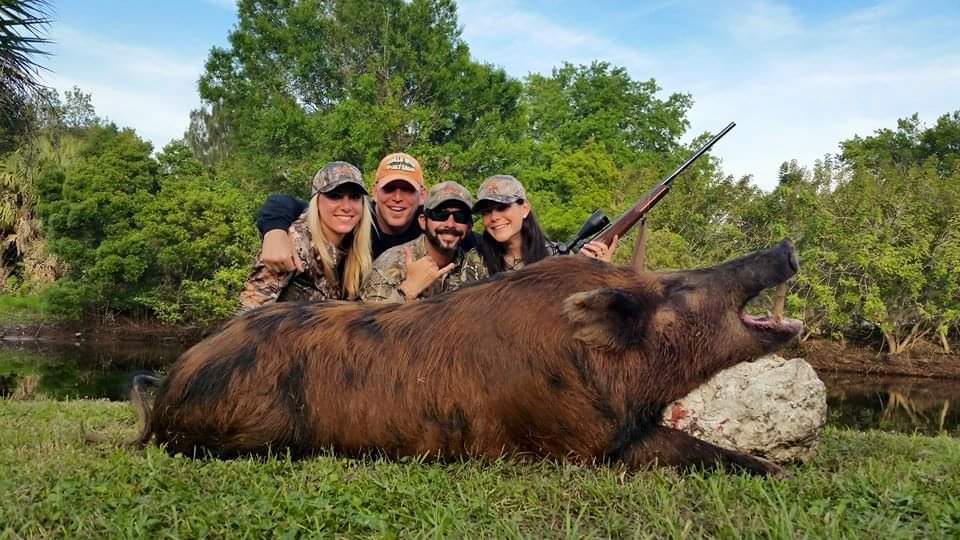
Hog hunting has grown from a regional pest-control task into one of the fastest-growing hunting activities in the country, and for good reason. Feral hogs reproduce faster than almost any other big game animal, cause billions of dollars in crop and land damage every year, and in most southern states can be hunted year-round with no bag limit. That combination makes wild hog hunting one of the few pursuits where a hunter can go out almost any weekend of the year and still find action.
This guide covers what hunters actually want to know before booking a trip: which states offer the best access, which methods are legal and effective, what a real hunt costs, and how to place a clean, ethical shot on an animal that behaves very differently from deer or elk.
Everything You Need to Know About Hog Hunting
Is Hog Hunting Legal Year-Round?
In most cases, yes, but the details depend on land type and state. Feral hogs are classified as an invasive species rather than protected game in states like Texas, Florida, and Georgia, which is why they can be hunted year-round on private land with no closed season and no bag limit. Public land, wildlife management areas, and national forest tracts often still require a basic hunting license and may follow more specific rules, so confirming land type before heading out matters more with hogs than with almost any other species.
Best States for Hog Hunting
Texas leads the country by a wide margin, with an estimated two to three million feral hogs spread across the state. Central, South, and East Texas hold the heaviest concentrations, and private ranches across these regions offer everything from day hunts to night hunts to aerial hunts.
Florida follows closely, with hogs found across oak hammocks and palmetto flats statewide. The Florida Fish and Wildlife Conservation Commission allows hog hunting on most wildlife management areas without a standard hunting license, making it one of the most accessible states for out-of-state hunters.
Georgia and Alabama round out the top tier, both offering liberal regulations, no closed season, and high-volume harvest opportunities on agricultural land where hogs cause the most damage.
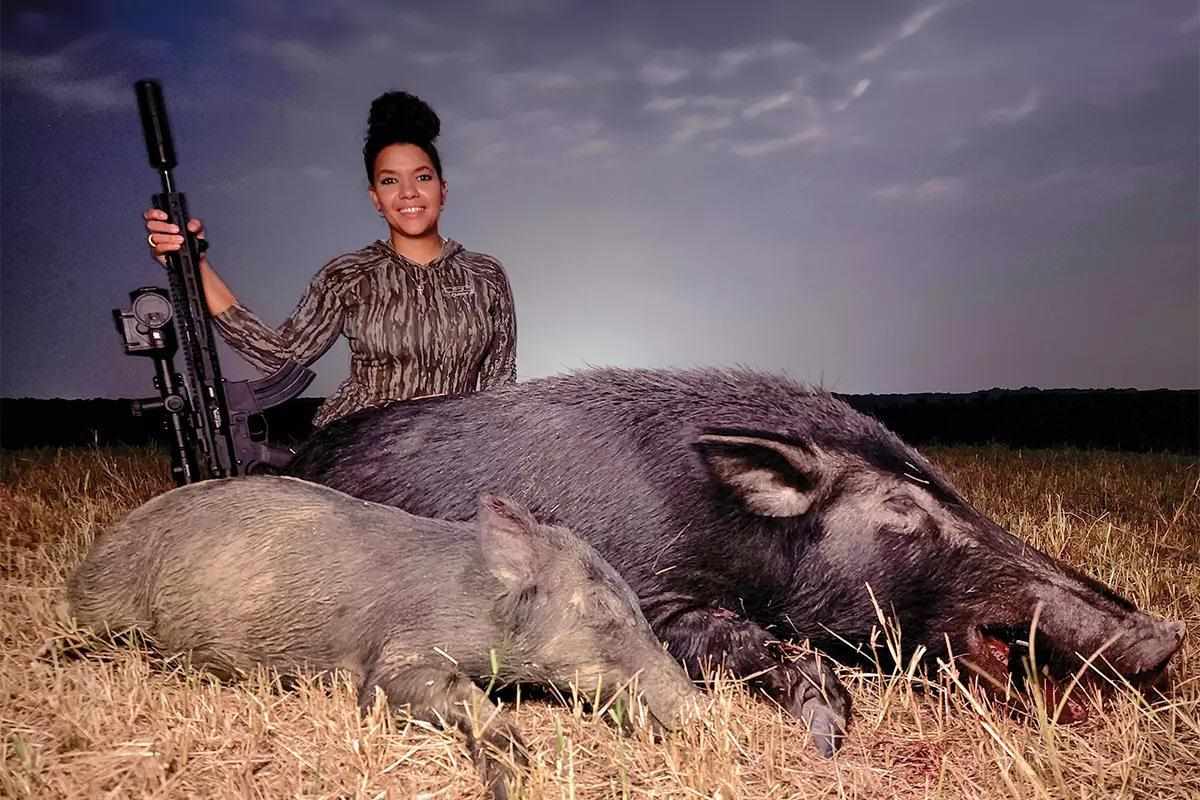
Common Hog Hunting Methods
Hogs are smart, adaptable, and quick to change behavior once they feel hunting pressure, which is why so many different methods exist for pursuing them.
Spot-and-Stalk
Hunters use binoculars or thermal optics to locate hogs at a distance, then close the gap while staying downwind. A hog’s sense of smell is sharp enough that wind direction matters more here than almost any tactical decision a hunter makes in the field.
Stand or Blind Hunting
Sitting over an active food plot, feeder, or bait site is one of the most reliable ways to connect, since hogs travel in family groups called sounders and tend to return to a productive feeding area repeatedly.
Night Hunting with Thermal Optics
Because hogs are largely nocturnal, especially once they’ve been pressured, guided night hunts using thermal and night vision equipment have become one of the most productive methods available, particularly in Texas and Florida.
Helicopter Hog Hunting
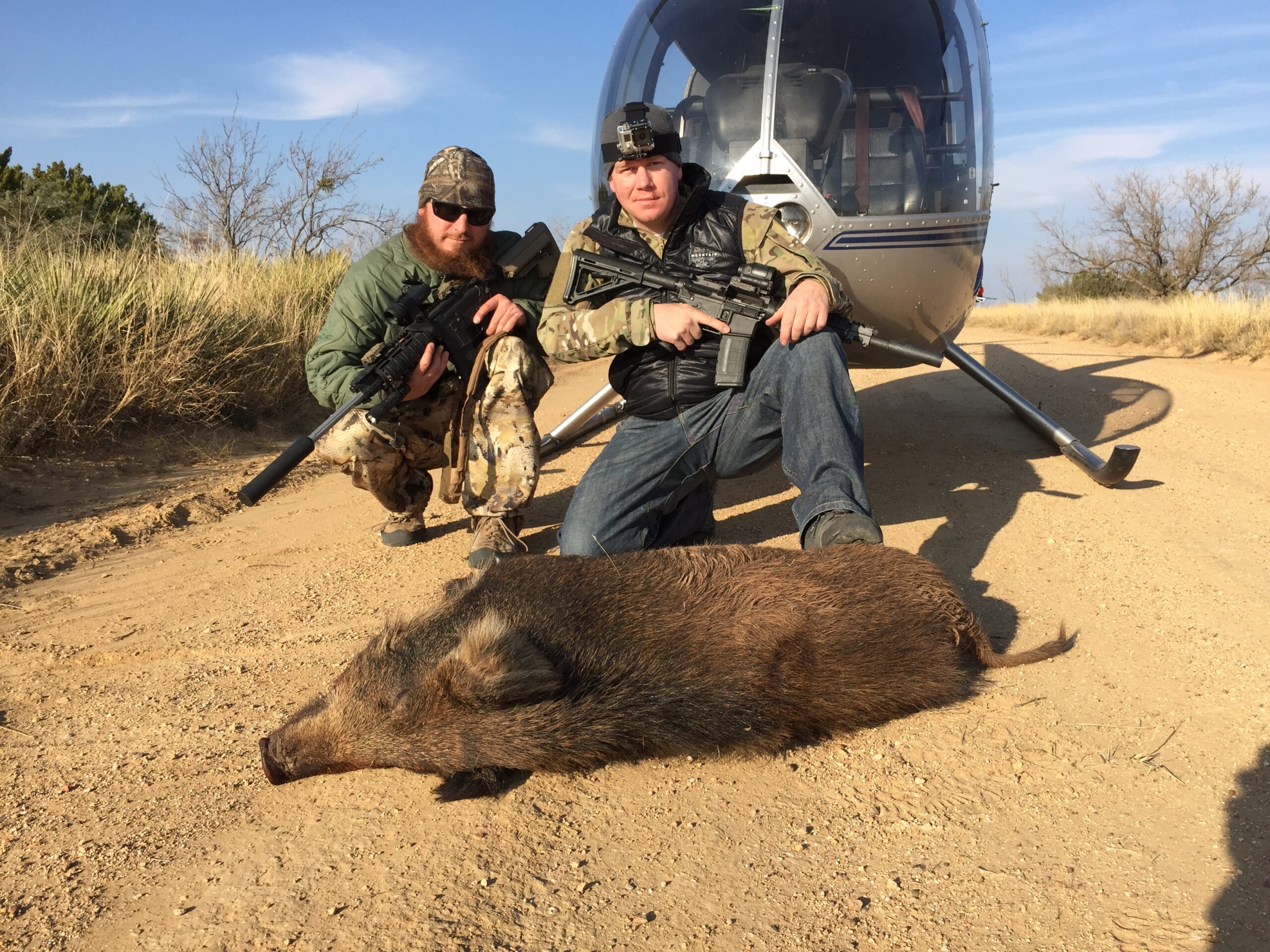
Aerial hunting lets hunters cover enormous stretches of ranch land in a single afternoon, spotting and engaging hogs from the air in a way no ground method can match. It’s become especially popular in Texas, where wide open terrain and dense hog populations make it one of the most effective large-scale control methods available. Hunt-Nation’s helicopter hog hunting guide breaks down how a typical flight works, what it costs per hour, and what to expect on your first aerial hunt.
Gear and Shot Placement
Hogs carry a thick layer of cartilage and fat across their shoulders, often called a shield, which makes shot placement genuinely different from deer hunting. Unlike a deer, a hog’s vitals sit low and far forward, mostly between the front shoulders. On a broadside hog, the goal is to punch a bullet straight through the front shoulder rather than aiming for a traditional heart-lung pocket further back. Bowhunters should wait for a quartering-away angle and aim low toward the opposite shoulder for the same reason.
A caliber that handles deer-sized game well, generally .30 caliber or larger such as a .308 or .30-06, gives enough penetration to get through that shield reliably. Hogs can also carry disease, so gloves during field dressing and thorough cooking of the meat are both non-negotiable regardless of how the hunt was conducted.
What a Guided Hog Hunt Actually Costs
Pricing varies more with hog hunting than with almost any other species, mostly because the method chosen changes the cost structure entirely. A single-day guided hunt over bait or from a stand typically starts around $195 to $300. Multi-day packages that include lodging, meals, and processing generally run $500 to $1,500 depending on access and inclusions. Helicopter hunts sit in a different category entirely, usually priced by flight time rather than by the hunt itself, commonly running $1,000 to $3,000 per hour depending on the outfitter and group size.
For hunters specifically planning a Texas trip, where the widest range of hunt types and price points exists, Hunt-Nation’s hog hunting in Texas guide breaks down regional differences across Central, South, and East Texas along with typical package pricing for each hunt style.
Guided vs DIY Hog Hunting
A DIY hunt can work well in states like Texas and Florida where hog populations are dense and land access is more available, provided the hunter already understands local regulations and has a way to scout active feeding areas. A guided hunt makes more sense for anyone new to hog hunting, hunting out of state, or specifically interested in night hunting with thermal optics or helicopter hunting, since both methods require specialized equipment and licensed operators that most hunters don’t have independent access to.
Have questions about which state or method fits your trip best? Call Hunt-Nation at 307-637-5495 or email info@hunt-nation.com and one of our consultants will help match you with the right hunt and outfitter.
Frequently Asked Questions About Hog Hunting
Is hog hunting legal year-round?
In most southern states, yes, particularly on private land in Texas, Florida, Georgia, and Alabama, where feral hogs are classified as invasive rather than protected game. Public land and wildlife management areas may still require a license and follow more specific seasonal rules.
What states allow hog hunting?
Texas, Florida, Georgia, Alabama, and California all offer significant hog hunting opportunities, with Texas holding the largest population by a wide margin at an estimated two to three million animals statewide.
Do wild hogs come back after you shoot at one?
Often, yes. Hogs travel in sounders, and while a shot will scatter the group temporarily, they frequently return to a productive feeding area within days since the food source that attracted them in the first place hasn’t changed.
Why do some hunters avoid eating wild boar meat?
Most hunters actually prize wild hog meat for its rich, distinct flavor. The hesitation some people have usually comes from concern over disease, which is easily managed by wearing gloves during field dressing and cooking the meat thoroughly, the same precaution recommended for any wild game.
What is the best caliber for hog hunting?
A caliber that handles deer-sized game well, such as .308, .30-06, or 6.5 Creedmoor, provides enough penetration to get through a hog’s thick shoulder shield. Shot placement matters more than caliber choice, since a hog’s vitals sit lower and further forward than most hunters expect.
How much does a guided hog hunt cost?
Single-day hunts typically start around $195 to $300, while multi-day guided packages with lodging and processing run $500 to $1,500. Helicopter hunts are priced separately by flight time, usually $1,000 to $3,000 per hour.
Is helicopter hog hunting legal?
Yes, in states like Texas, wild hogs can be hunted year-round with no bag limit. Aerial hunts must be conducted with a licensed outfitter following state safety regulations.
Ready to Book Your Hog Hunt?
Discover premier hunting and fishing adventures worldwide with Hunt-Nation. With 27+ years of dedicated service, we connect you with over 300 outfitters, captains, and PHs for your ultimate outdoor adventure. Whether you want a traditional Texas ground hunt, a night hunt with thermal optics, or the adrenaline of a helicopter hunt, our team will match you with the right outfitter for your budget and experience level.
Call us today at 307-637-5495 or email info@hunt-nation.com to start planning your next hog hunt.