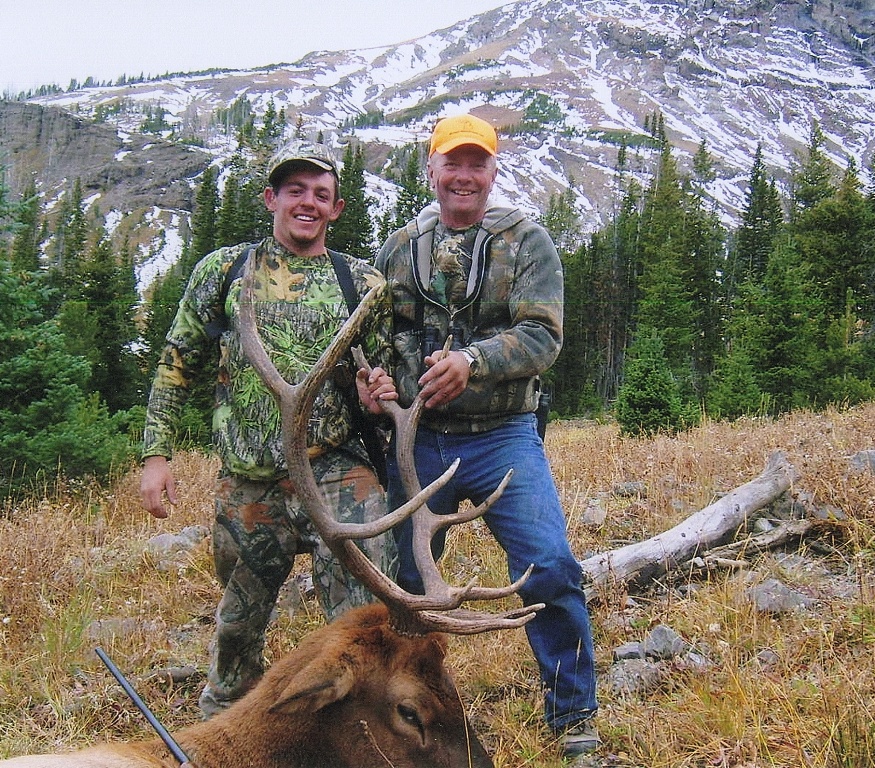
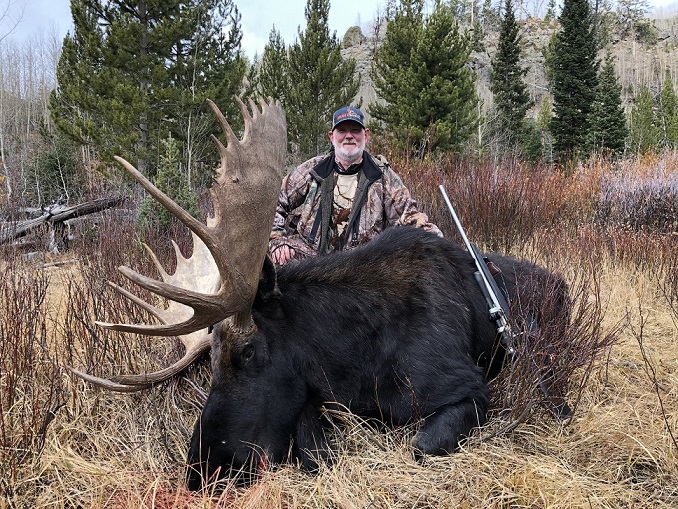
Stone sheep hunting is a major financial and physical commitment. Hunt Nation’s featured Yukon packages list $100,000 for a 10-day horseback hunt in 2026 and $88,000 for a 12–14-day hunt in 2027. August is a key sheep-hunting period for these operations. Non-resident sheep hunters need a licensed outfitter and guide. Expect horseback travel, hiking and mountain terrain, with one operation describing sheep country at 4,500–7,000 feet.
The price gets your attention first. But before you commit, you need to understand the whole trip: actual hunting days, camp arrangements, physical demands and expenses outside the package.
You also need honest expectations. A guided sheep hunt gives you access, local knowledge and field support. It doesn’t guarantee a ram.
Stone Sheep Hunting at a Glance
| Detail | Hunt #121 | Hunt #16 |
|---|---|---|
| Published sheep price | $100,000 USD for 2026 | $88,000 USD per person for 2027 |
| Listed duration | 10 days | 12–14 days |
| Guide arrangement | One guide per hunter | One guide per hunter |
| Access | Horseback, with hiking | Fly into base camp, then horseback to spike camp |
| Sheep timing | Earlier and later departures described | Tentatively the first two weeks of August |
| Sheep elevation | 4,500–7,000 feet | Not specified |
| Sheep camps | Approximately 5 per season | 6 across several mountain ranges |
| Historical sheep results | 6 rams for 8 hunters in 2023 | Average harvested ram age of 10.5 years in 2025 |
| Published availability | Contact Hunt Nation | 2026 sheep hunts marked sold out |
Prices apply to the years shown. Camp arrangements, available departures and final terms belong to the specific booking.
What Is a Stone Sheep, and Why Do Hunters Chase One?
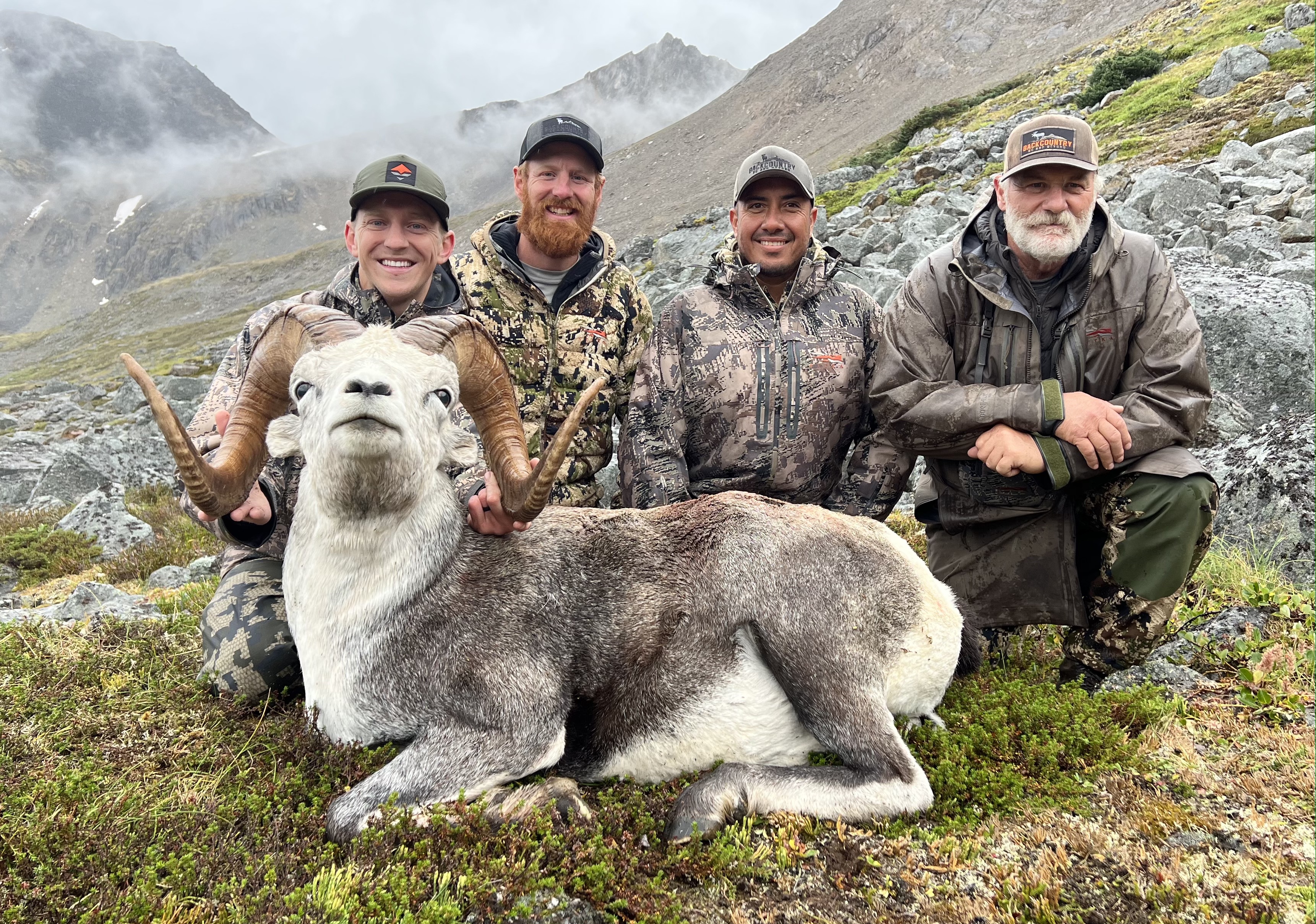
Stone sheep hunting combines the appeal of a wild mountain ram with the demands of remote country. Stone sheep are thinhorn sheep associated with northwestern Canada. Their darker coats and curled horns make them distinctive, but appearance is only part of the attraction.
For many hunters, the draw is the hunt itself. You spend time looking through optics, studying sheep and working within the conditions. A ram may be visible without being reachable. Getting closer may involve more riding, a climb or an overnight camp.
That’s different from booking a trip around frequent shot opportunities. You need patience and a willingness to keep working when the first plan doesn’t produce.
Older rams also interest hunters because age, horn character and the circumstances of the hunt can matter as much as length.
Yukon sheep populations include animals described as Stone’s, Dall’s and Fannin’s sheep. If record-book recognition matters to you, establish the category applicable to your proposed hunt before paying a deposit. Coat color alone doesn’t settle that question.
How Much Does a Stone Sheep Hunt Cost?
Your Stone sheep hunt cost starts with the package price, then grows according to the services included and the expenses you incur.
As a general planning reference, guided hunts are often discussed in the $80,000 to $120,000 range. That isn’t a quote, and it shouldn’t replace a package-specific budget.
Comparing the Published Hunt Nation Prices
| Cost or inclusion | Hunt #121 | Hunt #16 |
|---|---|---|
| Base sheep package | $100,000, 2026 | $88,000 per person, 2027 |
| Duration | 10-day horseback hunt | 12–14-day hunt |
| Scheduled camp charter | $3,750 additional | Included |
| Hunting license | $750 additional | $150 additional |
| Tax | 5% additional | GST included in published inclusions |
| Government sheep harvest fee | $250 additional | Primary-species royalty included |
| Trophy cleaning and crating | No separate figure listed | $600 for the first animal |
| NRHPF fee | Not separately specified | Included |
| Personal gear | Obtain departure requirements | Hunter supplies personal gear |
These prices concern different operations and different years. A lower base rate doesn’t automatically mean a cheaper equivalent trip.
A Worked Budget Example
For Hunt #121, the published figures give you this starting calculation:
| Item | Amount |
|---|---|
| Sheep package | $100,000 |
| Charter | $3,750 |
| License | $750 |
| Subtotal before tax and government harvest fees | $104,500 |
The listed sheep government harvest fee adds $250 if a sheep is harvested. That brings those specified charges to $104,750 before tax, excluding other personal or trip expenses.
The page lists 5% tax but doesn’t explain the taxable treatment of every line item. Don’t apply it blindly to the entire worksheet. Your written quote should show which charges attract tax and how the tax is calculated.
Expenses Beyond the Advertised Price
Budget separately for commercial flights, hotels and meals outside the camp itinerary, personal equipment, gratuities and trophy shipping where applicable.
Hunt #16 also lists an early or late charter at $2,900 and a sheep packer or second guide at $8,000. Those aren’t automatic additions to every booking. They show why optional services and itinerary changes need their own lines.
Keep outfitter harvest fees separate from government royalties. Hunt #121 includes outfitter harvest fees for sheep, black bear, wolf and wolverine, while listing government fees separately. An included tag or harvest fee also doesn’t guarantee an opportunity at an additional species.
Why Does It Cost So Much?
Remote sheep hunts require more than a guide’s time. Aircraft access, horses, equipment, camps and staff support an operation that takes relatively few sheep hunters.
You’re also paying for access to a specific hunting area and the knowledge needed to use it. The published camp and hunter numbers show that these aren’t high-volume trips.
Deposits, Balance Dates and Cancellation
Hunt #16 publishes a 50% deposit, with the balance due before June 1 of the scheduled hunt year. Its terms state a no-refund policy. An approved deposit transfer carries a 10% administration charge, and a $500 late-payment surcharge is listed.
Those terms shouldn’t be applied automatically to Hunt #121.
Review Hunt Nation’s travel insurance information before making a non-refundable commitment. Read the coverage, exclusions and purchase deadlines rather than assuming every cancellation is covered.
Want a budget for your preferred year? Contact Hunt Nation with your travel year, hunter count and sheep-hunting goals. We can discuss current departures and an itemized quote.
How Guided Stone Sheep Hunts Work in the Yukon
Guided Stone sheep hunts provide the access and support that non-resident hunters need. For sheep, a licensed outfitter and guide are required; the Yukon’s special-guide program doesn’t provide an alternative for this species.
Both featured packages describe one guide assigned to each hunter.
The itinerary may begin with a flight into camp, followed by horseback travel toward sheep country. Hiking remains part of the hunt. Horses help move you and equipment across country, but they don’t remove every climb or approach on foot.
Your guide brings knowledge of the area, sheep behavior and camp logistics. You bring your preparation, equipment familiarity and ability to work through changing conditions.
Time in camp isn’t necessarily time lost. Weather, visibility and animal movement influence what’s practical.
Be clear about travel days. Hunt #16 describes a 14-day sheep itinerary but lists 12–14 days in its pricing section. Its first and last days count as travel days. The final departure schedule determines how much time is available for hunting.
The Best Time for Yukon Stone Sheep Hunts
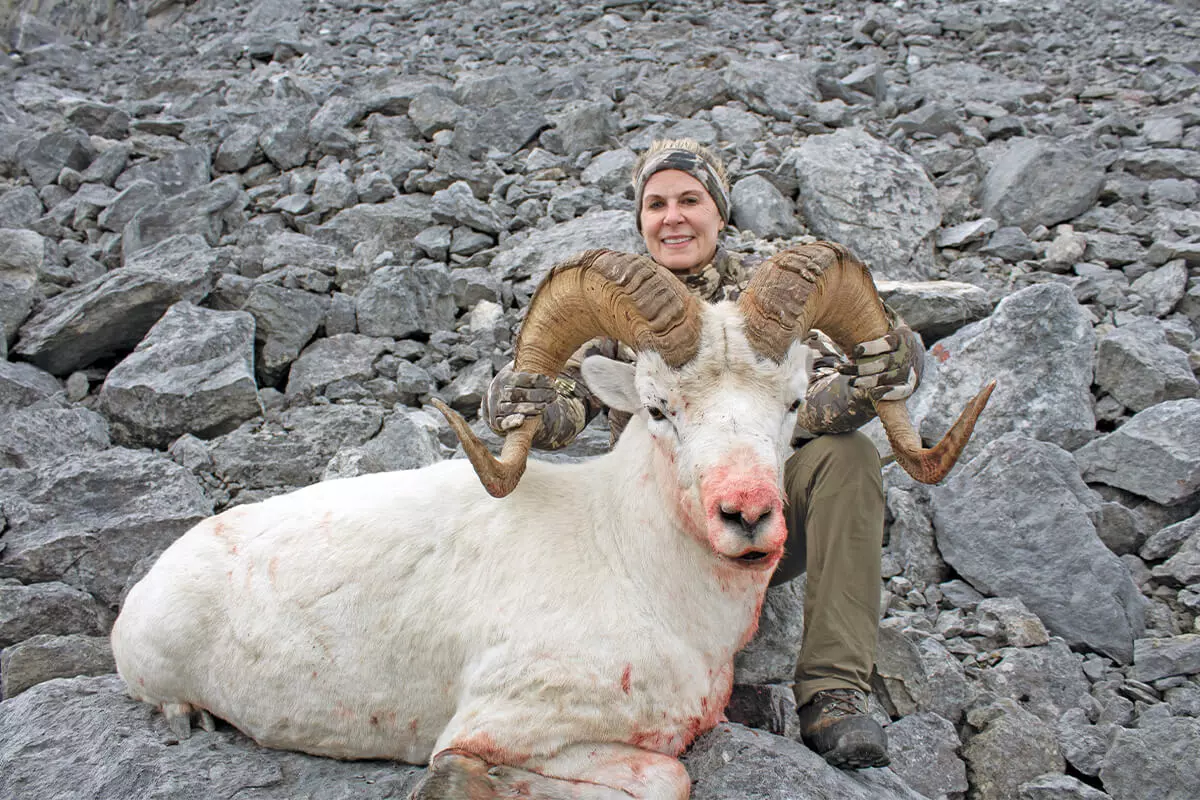
For the featured Yukon Stone sheep hunts, August deserves early attention. Hunt #16 tentatively schedules sheep hunts for the first two weeks of August.
Hunt #121 describes a useful early-versus-late distinction. During its earlier hunts, sheep move higher to escape insects. The operation reports more sightings and higher success during that period.
Later hunts generally produce fewer sightings as cooler weather reduces insects and sheep move toward timber. However, the outfitter reports that these later trips often produce its biggest rams.
That’s a tradeoff, not a rule that late departures produce better trophies. Your choice should reflect how you value sightings, conditions and the opportunity to pursue older animals.
What Do the Historical Results Tell You?
Hunt #121 reports seasonal success ranging from 50% to 100%. In 2023, eight sheep hunters took six rams. Its published trophy description is approximately 38-inch horns and/or nine years of age, with older animals targeted.
Hunt #16 reports an average harvested ram age of 10.5 years in 2025 and historical examples of 43-inch-class B&C rams.
These are provider-reported results. They aren’t guarantees of success, size or age.
How Fit Do You Need to Be?
For guided Stone sheep hunts, you need preparation for repeated days outdoors, not just one hard workout.
Horseback travel can be tiring. Hiking requires steady movement, balance and control on descents. You may alternate activity with long periods of glassing, then need to move again.
The following is general preparation advice, not a personalized training prescription or a guaranteed readiness standard. If you have heart or lung concerns, persistent joint pain, a recent injury or uncertainty about exercise, speak with your doctor before increasing training.
A Practical Preparation List
- Build cardio consistency. Walk or hike regularly. Gradually include hills or stairs so your preparation isn’t limited to flat ground.
- Practice with a pack. Start with a comfortable load. Increase duration, terrain difficulty or weight progressively rather than changing everything together.
- Strengthen your legs. Suitable step-ups, squats or sit-to-stands and calf raises can support mountain movement. Choose exercises appropriate to your ability.
- Train for descents. Controlled downhill walking matters. Don’t make your first long descent the one you take in sheep country.
- Get saddle time. Lessons or supervised trail rides help if you haven’t ridden recently. Practice mounting and dismounting safely.
- Break in boots. Use your intended socks and footwear on progressively longer outings. Resolve rubbing before departure.
- Practice shooting safely. At a lawful range, work from supported field positions within your demonstrated ability. Know your equipment and your limits.
Test Your Equipment Together
Take an appropriate practice outing wearing your boots, pack and layers. Use the rain gear. Reach for your water and optics without unpacking everything.
Notice what rubs, shifts or becomes awkward when you’re tired. Fix those problems at home.
Your departure’s expected hiking time and personal load should shape the final preparation.
Remote Camp Preparation
For Stone sheep hunting, your personal equipment needs to work beyond the main camp.
Hunt #121 describes cabins across its operation, wall tents where cabins aren’t available and backpack tents for some overnight stays. Hunt #16 describes flying to base camp and traveling by horse to a spike camp.
A cabin-based start doesn’t mean every night will have cabin facilities.
What Does the Outfitter Supply?
Hunt #16 lists necessary hunt equipment among its inclusions while specifying that hunters bring personal gear.
That distinction leaves room for trip-specific arrangements. Sleeping equipment, optics and clothing shouldn’t be assumed included simply because “equipment” appears in the package description.
Use the booked itinerary’s equipment instructions alongside the Sheep and Goat section of Hunt Nation’s Gear List.
What Should You Pack?
| Category | Practical preparation |
|---|---|
| Boots and socks | Bring tested mountain footwear, suitable spare socks and blister supplies. |
| Clothing | Use layers you can adjust between hiking and stationary glassing. |
| Rain protection | Test jacket and pants before travel; keep them accessible. |
| Sleeping equipment | Match the specified bag and pad requirements; protect bedding from water. |
| Pack and luggage | Inspect buckles and seams, label bags and secure loose straps for flights. |
| Optics | Protect lenses and organize frequently used equipment within reach. |
| Lighting | Test your headlamp and carry appropriate spare batteries. |
| Personal essentials | Keep necessary medications and documents accessible under airline rules. |
Keep dry sleeping clothing separate from wet equipment. Organize small items in labeled bags. Weigh luggage before leaving home, since aircraft baggage limits and your personal hiking load are different considerations.
Bringing a Hunting Rifle Into Canada
For eligible visitors using the declaration route, complete RCMP 5589, the Non-Resident Firearms Declaration, before arrival. Don’t sign it until a CBSA officer witnesses your signature.
The declaration fee is CAD $25. Once confirmed, it acts as a temporary license for the listed firearms and is valid for 60 days.
Only eligible non-restricted firearms may be used for hunting. Don’t bring a handgun, suppressor or AR-15-type rifle for this trip. A declaration doesn’t make a prohibited item admissible.
Check your exact firearm against current RCMP non-resident guidance and Canadian border requirements. Airline carriage rules also apply.
Mistakes to Avoid
Don’t arrive with untested boots or a pack you’ve never carried loaded. Don’t bury rain protection beneath everything else. Keep essential documents and permitted medications accessible.
Avoid booking tight onward connections around remote camp flights. Weather can affect transport, and an itinerary change may create extra costs.
How to Choose Between Stone Sheep Outfitters
Compare Stone sheep outfitters using these seven questions:
- What sheep and hunting area does this departure cover? Establish the specific opportunity and any record-book category relevant to your goals.
- How many days are actual hunting days? Separate camp travel from time available to hunt.
- What physical demands should I prepare for? Get a description of riding, walking, climbing and personal load.
- Where will I sleep? Understand the difference between base-camp and spike-camp arrangements.
- What does the full quote include? Identify tax, flights, fees, trophy handling and optional support.
- What do the historical results represent? Distinguish a dated harvest record from a typical expectation.
- What happens if plans change? Read payment, cancellation, transfer and transport terms.
Use the Canada hunting catalog to explore options, then compare the actual itineraries.
Hunt Nation’s Yukon Stone Sheep Hunts
Our featured Yukon Stone sheep hunts offer different starting points.
Hunt #121 lists a 10-day horseback sheep package at $100,000 for 2026, with charter, license, tax and government fees additional. The operation typically hosts six to eight sheep hunters annually.
Hunt #16 lists its 2027 sheep package at $88,000 per person. Scheduled camp transportation and specified fees are included. Its sheep operation uses six camps across several mountain ranges.
Frequently Asked Questions
How much does a Stone sheep hunt cost?
The featured packages list $100,000 for Hunt #121 in 2026 and $88,000 per person for Hunt #16 in 2027. Your total depends on inclusions and additional expenses.
When is the best time to hunt Stone sheep in the Yukon?
August is a key period for these sheep departures. Earlier hunts may offer more sightings; Hunt #121 reports that later hunts often produce its biggest rams.
Do non-residents need a guide?
Yes. Non-resident sheep hunters need a licensed outfitter and guide. Both featured packages provide one guide per hunter.
How long does a guided sheep hunt last?
These packages list 10 days and 12–14 days. Travel days may be included in the advertised duration.
What is the success rate?
Hunt #121 reports 50–100% seasonal success and six rams for eight hunters in 2023. Historical results don’t guarantee your outcome.
Do horseback hunts still require hiking?
Yes. Horses assist with access, but hiking and mountain movement remain part of the hunt.
What gear should I bring?
Start with tested boots, layers, rain protection, the specified sleep system, optics and personal essentials. Follow the departure’s packing instructions.
Can I bring my hunting rifle?
An eligible non-restricted hunting rifle can generally be brought for an approved hunting purpose, subject to Canadian documentation, classification and border requirements.
What are Hunt #16’s payment terms?
A 50% deposit is listed, with the balance due before June 1 of the hunt year. Its published terms include a no-refund policy.
Are trophy size and a successful harvest guaranteed?
No. Historical ram measurements and harvest rates describe previous results, not a promised outcome.
Discuss Your Hunt With Hunt Nation
Tell us your preferred year, hunting experience and what you want from the trip. We’ll discuss current options, upcoming availability and the details that belong in your budget.
Call 307-637-5495, email info@hunt-nation.com, or contact Hunt Nation to discuss your Yukon sheep hunt.