A 140-inch whitetail in one hunting camp may be the buck everyone hopes to see. In another, hunters may pass bucks that size while waiting for a 160. The best trophy whitetail deer hunt depends on your own goal, the area’s usual buck class, and the style of hunting you enjoy.
This guide compares real Hunt Nation trips across Texas, Missouri, Montana, Ontario, Saskatchewan, Alberta, and Manitoba. The figures below describe specific outfitter listings, not statewide averages. Use them to find the right fit, then compare the days afield and the full travel cost before booking.
Trophy whitetail score ranges by region
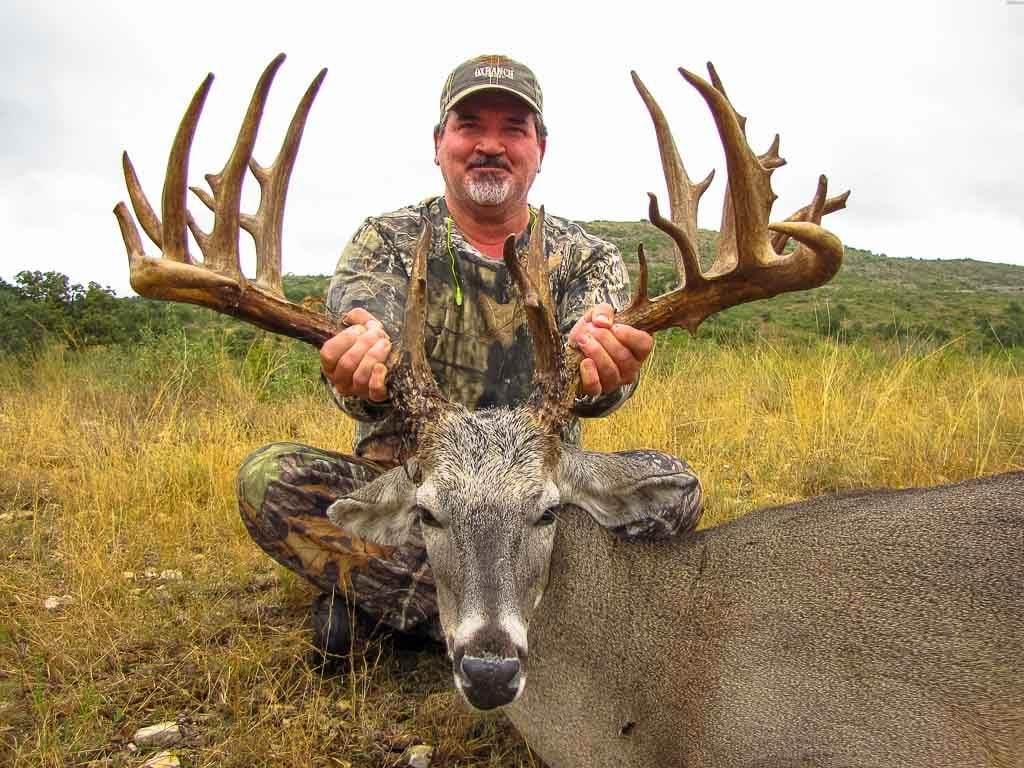
“Trophy” is a personal standard. Antler score offers a useful common language, but a mature buck’s age, the difficulty of the hunt, and the conditions under which you take it matter too. Boone and Crockett scoring considers beam length, points, spread, and mass. Ask whether a listing’s figures refer to field estimates, gross scores, or officially measured scores.
| Destination and hunt | Buck class described on the listing | Larger bucks mentioned on that listing |
|---|---|---|
| Texas Panhandle Hunt 54 | Average 130–140 inches | Bigger bucks taken yearly; no specific high score stated |
| Missouri Hunt 139 | Most bucks 130–145 inches | Bucks above 160 described as a patient hunter’s goal |
| Montana Hunt 270 | Most whitetails 130–145 gross B&C | Largest whitetails described as 160–170 gross B&C |
| Ontario Hunt 345 | Bucks have averaged about 150 inches over the years | Bucks up to 190 inches reported |
| Saskatchewan Hunt 180 | Many harvested bucks 140–150 inches | A 164-inch buck from Hunt Nation’s test hunt; 160-plus bucks also reported |
| Saskatchewan Hunt 168 | Hunters pursue 150–165-inch bucks | The listing reports two bucks in the 180s during an earlier season and historic 200-inch deer |
| Alberta Hunt 21 | Whitetails typically 130–150 inches | Whitetails into the 160s described as possible |
| Alberta Hunt 343 | Whitetails generally 140–160 inches, averaging near 150 | Bucks in the 160–180 range reported |
| Manitoba Hunt 306 | Expected whitetail range 130–160 inches | Larger bucks possible; no specific high score stated |
These ranges describe different things: some are past harvests, some are outfitter expectations, and some are exceptional deer. They should help you choose a destination, not be read as a promise of a particular buck.
U.S. trophy whitetail hunts: three different styles
Texas: a shorter ranch hunt
The Texas Panhandle Hunt 54 uses 12,500 private acres. Hunters sit in tower or ground blinds overlooking feeders, with a buck and doe included in either whitetail package. The listing describes average bucks in the 130–140-inch range and a 3.5-day hunt with four nights of lodging.
This is a practical option if you want a defined ranch schedule, meals and lodging, and time to hunt without committing a full week. The listing also sets a minimum age standard for harvested bucks, so talk through field judging with your guide before the hunt.
Missouri: patience under a quality deer management rule
The Missouri Hunt 139 covers about 7,000 acres across farms in southern Knox and northern Shelby counties. Its listing describes semi-guided stand hunting, most bucks in the 130–145-inch range, and a quality deer management policy: a 4.5-year-old and 130-inch minimum, with a $1,250 penalty if the rule is broken.
The outfitter reports that hunters can see several deer in a day, although conditions change. If you enjoy watching deer, judging age, and passing younger bucks, this style may suit you. The listing favors bow season before heavier hunting pressure.
Montana: a whitetail hunt that can stand alone or pair with elk
The outfitter behind Montana Hunt 270 began operating in 1996. Its rifle whitetails can be hunted separately or added to certain elk hunts. The listing describes management for older deer, most harvested whitetails at 130–145 gross B&C, and larger bucks at 160–170 gross B&C.
Montana appeals to hunters who want a multi-species trip or a western setting. Choose the specific ranch and package with Hunt Nation, since the listing covers several properties and hunt combinations.
Interested in this hunting adventure?
Talk with a Hunt Nation hunting consultant about dates, availability and pricing.
📞 307-637-5495 | 📧 info@hunt-nation.com
Explore Trophy Whitetail Hunts →
Canadian trophy whitetail hunts: compare the habitat and the method
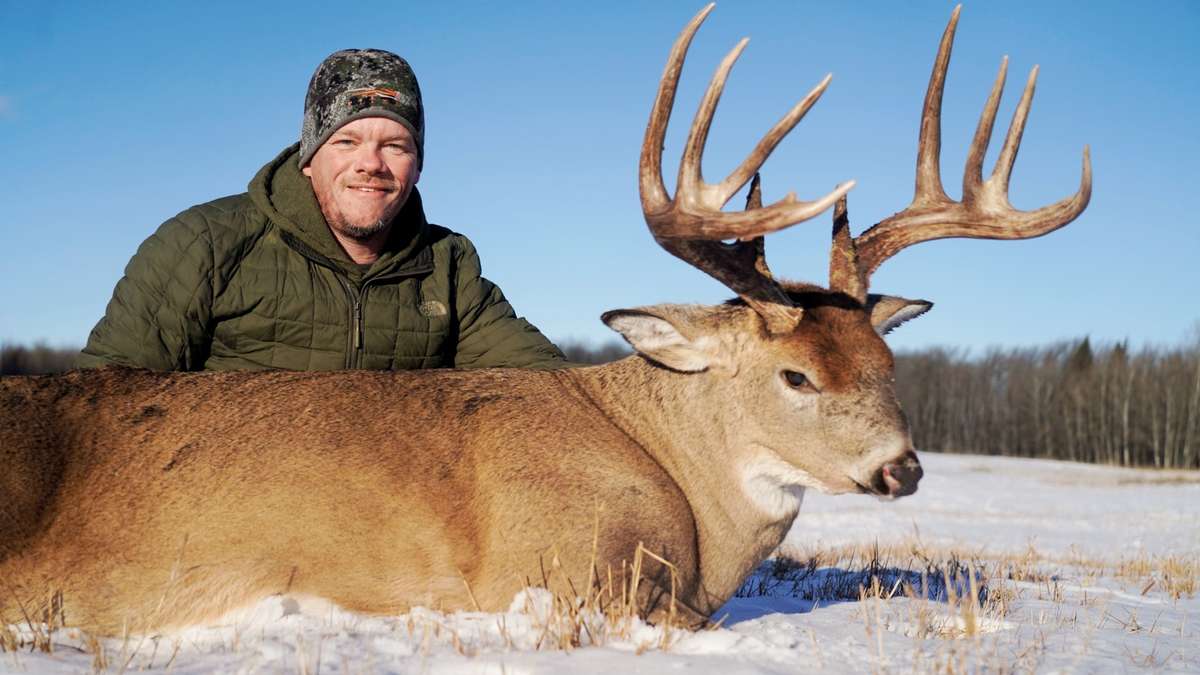
Ontario: managed private land and a classic stand hunt
The Ontario Hunt 345 offers access to approximately 25,000 owned or leased private acres in northwestern Ontario. The outfitter describes long-term buck averages near 150 inches and past deer up to 190. Six-day rifle hunts use ground blinds, ladder stands, and shooting houses from late October into mid-November.
There is an in-depth article on this Ontario private-land hunt, including its property and lodging. Here, the important comparison is its combination of extensive private access, a longer rifle hunt, and an established stand-based program.
Saskatchewan: farmland fringe or a more selective trophy hunt
Saskatchewan Hunt 180 works roughly 50,000 acres where farmland meets forest. Hunters use ground or elevated blinds. The outfitter encourages a 140-inch minimum, and the listing says many harvested deer fall in the 140–150 class; a 164-inch buck came from Hunt Nation’s test hunt. The five-day guided format offers a clear fit for someone who wants a northern buck without making a 160-inch deer the only acceptable outcome.
Saskatchewan Hunt 168 follows a different approach. Despite the page’s bear-focused URL, it also describes a separate whitetail program near Goodsoil. Its listing puts the buck class at 150–165 inches, describes 170-plus potential, and says roughly half of hunters harvest because the operation favors passing smaller bucks. Heated blinds, snow, and long sits are part of this northern experience. It fits a hunter comfortable waiting for a larger deer.
That is the useful Saskatchewan vs Texas whitetail hunts comparison: the Texas option is a shorter feeder-blind ranch trip centered on a stated 130–140-inch average, while these Saskatchewan trips involve longer northern sits and different buck standards. Choose the method and standard you want, rather than treating the province or state name as a trophy guarantee.
Alberta: choose a whitetail hunt or a deer combination
Alberta Hunt 21 accepts very few hunters in a season. Its whitetails are described as typically 130–150 inches, with high-end deer into the 160s. A rifle whitetail trip can be booked separately, or hunters can choose a mule deer and whitetail combination. The listing’s 170-inch class discussion refers primarily to mule deer, so keep the two species’ expectations separate.
Alberta Hunt 343 is a five-day rifle combination hunt in more open country. The operation describes an approximately 850-square-mile Indigenous reserve hunting area, regular glassing and spot-and-stalk, and whitetails generally in the 140–160-inch range. Its listing reports 34 deer taken by 17 hunters in 2023; that figure covers the combination operation, not 34 trophy whitetails.
For a broader look at provinces and hunting styles, read Hunt Nation’s Canada whitetail deer hunting guide.
Manitoba: farm fields, forest edges, and longer sits
The Manitoba Hunt 306 includes a separate whitetail offering in the Parkland Region east of Riding Mountain National Park. The outfitter describes agricultural fields beside forest cover, an expected 130–160-inch buck range, and elevated box blinds set at field edges or travel routes. Hunters generally spend at least six hours a day, and preferably longer, on stand.
The same page also advertises moose, bear, and fishing trips. Compare the deer package and its price specifically; the larger moose price does not apply to a whitetail hunt.
What grows a mature trophy buck?
Age matters. A buck needs enough years to develop its potential. Age-based harvest standards and limited pressure are two ways an outfitter may let younger deer grow.
Food and cover matter together. The farmland and forest edge in Saskatchewan or Manitoba offers feeding areas near protective cover. In Texas, ranch management and dependable food sources shape a different hunting pattern. A large property helps most when useful habitat and access are managed well.
Genetics matter, but they do not replace opportunity. A property can have excellent deer genetics and still give a hunter a slow week. Weather, hunting pressure, rut activity, and the amount of time you can spend in a productive position affect what you actually see.
This is why the best states for trophy whitetail deer are not a fixed list for every hunter. Texas, Missouri, and Montana offer distinct U.S. experiences; the Canadian provinces above add very different habitat and trip styles.
What does a trophy whitetail deer hunt cost?
These are published listing rates in USD, not universal destination prices. A dated rate is identified so an old figure is never presented as a current quote.
| Hunt | Whitetail rate shown on its listing | Published format or pricing detail |
|---|---|---|
| Texas Hunt 54 | 2026: $4,000 rifle or $3,750 archery | 3.5 hunting days, four nights; buck and doe |
| Missouri Hunt 139 | 2024 rates only: request current quote | Archery and rifle packages differ |
| Montana Hunt 270 | Request current whitetail quote | Multiple ranches and stand-alone or combination options |
| Ontario Hunt 345 | 2026: $4,750 | Six-day rifle; listing adds 13% sales tax |
| Saskatchewan Hunt 180 | 2026: $5,500 | Five-day guided deer hunt |
| Saskatchewan Hunt 168 | Undated listing: $7,500; request current quote | Six-day whitetail hunt; licence and tax listed separately |
| Alberta Hunt 21 | 2026: $4,150 per hunter with two hunters per guide; $5,300 one-to-one | Rifle whitetail; licences and tax extra |
| Alberta Hunt 343 | 2026: $11,000 per hunter | Five-day whitetail/mule deer combo; licences and access fee extra |
| Manitoba Hunt 306 | 2026: $4,500 | Six-day deer hunt with licence, meals, lodging, and guide services listed |
The trophy whitetail deer hunt cost that matters is your total: hunt fee, tax, licence, travel, rental vehicle or transfer, extra lodging, meat processing, and trophy transport. What is included changes by package. For example, Ontario Hunt 345 adds sales tax and lists separate processing charges, while Manitoba Hunt 306 lists the deer licence within its whitetail package.
Guided hunts and quality-management hunts: choosing your fit
Guided trophy whitetail hunts can take several forms. On one trip, a guide scouts and takes you to a stand. On another, you glass and stalk together throughout the day. “Guided” tells you help is available; the individual listing tells you how the hunt unfolds.
Quality management describes a harvest approach, not a guarantee of a higher score. Missouri Hunt 139 sets an age and antler minimum. Texas Hunt 54 sets a buck-age rule. Saskatchewan Hunt 168 emphasizes passing smaller bucks for a chance at an older, larger one. Those policies change the decisions you make in the field.
Choose a hunt that matches the buck you would be pleased to take. If you would happily harvest a mature 135-inch buck, a program built around passing 150-inch deer may not be your best trip. If your goal is a personal-best 170, allow enough days and choose a hunt where passing good bucks is part of the plan.
For the basics of hunting methods and planning your first trip, see the general whitetail hunting guide. To browse beyond these examples, use the Hunt Nation adventure catalog.
Frequently asked questions
What is considered a trophy whitetail buck?
There is no single score that applies everywhere. A trophy may mean a mature buck, a personal-best animal, or a specific antler class. Compare a hunt’s stated buck range with your own goal and the outfitter’s harvest rules.
How much does a trophy whitetail hunt cost?
The listed Hunt Nation examples range from a 2026 $3,750 Texas archery package to an $11,000 Alberta two-species combination. They include different hunting days and services. Add licences where excluded, taxes, travel, and trophy handling to compare the real trip cost.
Which state or province has the biggest trophy whitetails?
Large bucks appear across several states and provinces. The right answer for a traveling hunter depends on the specific property, its reported buck class, hunting style, access, and how selective you want to be. The listings above show why comparing actual hunts is more useful than ranking places by reputation alone.
When is the best time to book a trophy whitetail hunt?
Book early enough to choose the dates and hunt style you want, especially for operations taking few hunters. The best hunting window depends on the local season, rut timing, method, and property. Request available dates for the particular trip before arranging travel.
Do I need to be experienced for a guided trophy whitetail hunt?
No. A guide can help with the property and hunting plan. You should still practice with your chosen weapon, know your comfortable shooting distance, follow the local rules, and understand the hunt’s buck standard.
What is the difference between a quality-management hunt and a trophy-only hunt?
A quality-management hunt uses rules intended to protect younger bucks, such as an age or antler minimum. A highly selective trophy hunt asks hunters to pass even more mature bucks while pursuing a narrower size goal. Read the rules for the specific trip before booking.
Interested in this hunting adventure?
Talk with a Hunt Nation hunting consultant about dates, availability and pricing.
📞 307-637-5495 | 📧 info@hunt-nation.com
Explore Trophy Whitetail Hunts →