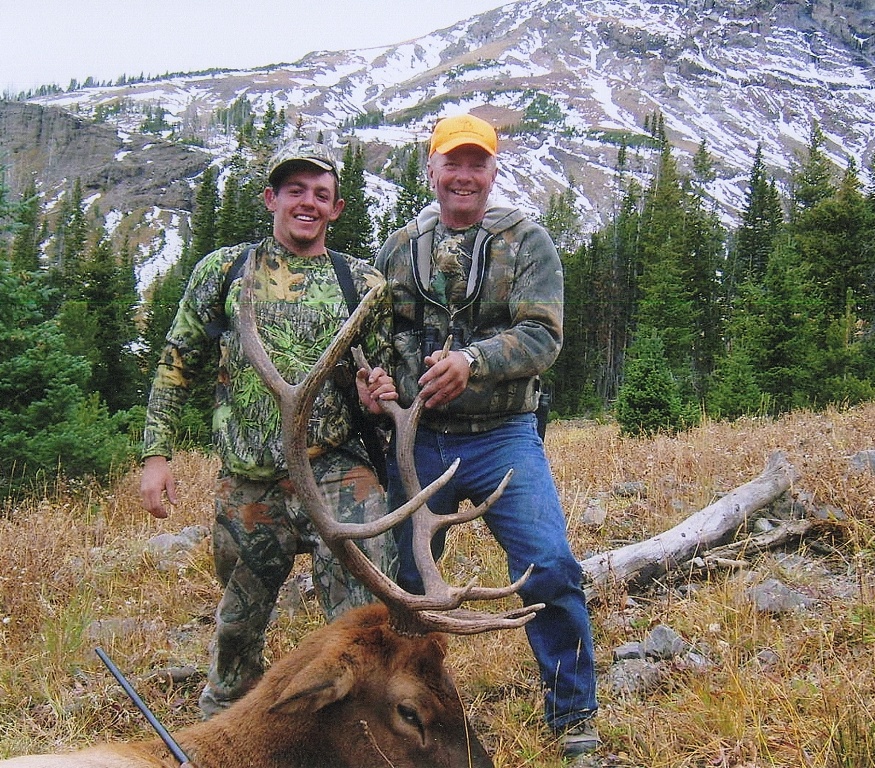
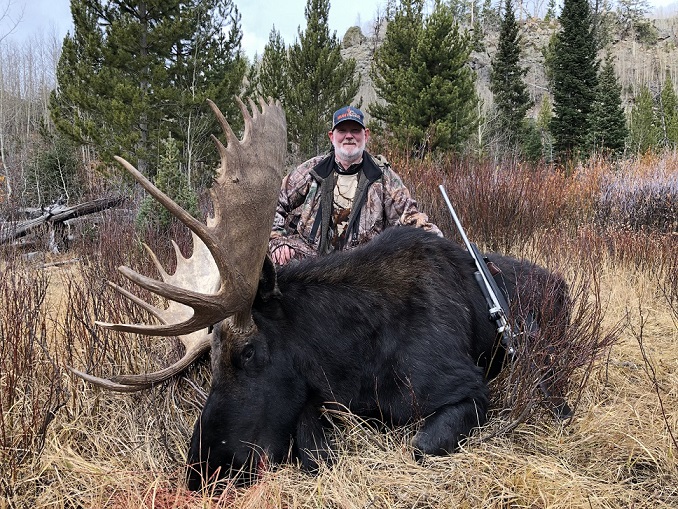
Canada whitetail deer hunting is shaped by large landscapes, productive habitat, mature deer populations, and major regional differences. Ontario, Saskatchewan, Alberta, and Manitoba each offer a different environment, which means travelers researching Canadian whitetails should look beyond the province name and consider habitat, property size, accommodations, historical deer quality, season timing, and published costs.
Hunt Nation has more than 27 years of experience working with hunting destinations. Its current Canadian portfolio includes properties ranging from approximately 25,000 acres of private land in Ontario to approximately 50,000 acres of farmland fringe habitat in Saskatchewan and an expansive managed area in southern Alberta.
Historical measurements and past results throughout this guide are provided for context only. They should not be interpreted as guaranteed future results.
Canada Whitetail Hunting by Province
| Province | Hunt Nation Destination | Regional Highlight |
|---|---|---|
| Ontario | Ontario #345 | Approx. 25,000 acres of private owned and leased land |
| Saskatchewan | Saskatchewan #180 | Approx. 50,000 acres of farmland and forest habitat |
| Saskatchewan | Saskatchewan #18 | Expanded operation with controlled guest numbers |
| Saskatchewan | Saskatchewan #168 | Quality focused destination |
| Alberta | Alberta #343 | Approx. 850 square mile managed area |
| Alberta | Alberta #21 | Limited annual guest numbers |
| Manitoba | Manitoba #306 | Agricultural and forest habitat in the Parkland Region |
These destinations demonstrate why there is no single answer to the question of which Canadian province offers the best whitetail experience. Each property has its own landscape, management history, accommodations, and historical deer data.
Ontario Whitetails: Private Land in Northwestern Ontario
Ontario #345 is located in WMU #10 in Northwestern Ontario, between Lake of the Woods and Rainy Lake.
One of the most notable features of this destination is its approximately 25,000 acres of privately owned or leased land. This gives the property a different character from destinations that depend primarily on public land.
The area combines agricultural ground, timber, food rich habitat, and substantial cover. Hunt Nation reports that the outfitter has been operating for nearly 25 years.
Ontario Whitetail Size
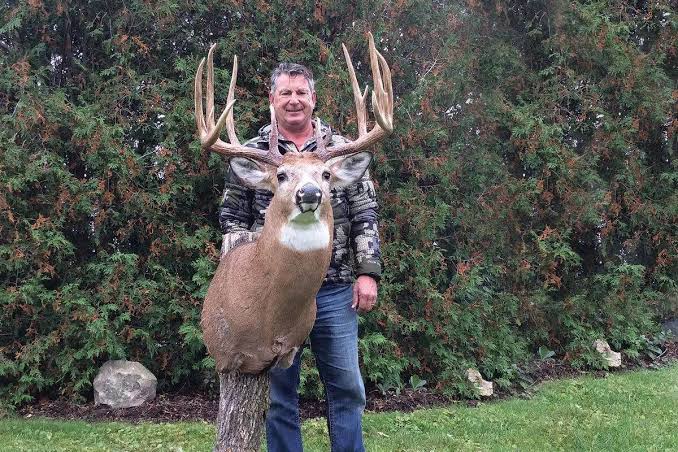
Historical information for Ontario #345 describes bucks averaging approximately 150 inches, with some reaching around 190 inches.
The destination is also associated with large bodied northern deer. One historical client account supplied by Hunt Nation describes a 10 point buck weighing close to 300 pounds and measuring approximately 150 inches.
These figures describe previous results and do not guarantee the size of deer encountered during future seasons.
Readers looking specifically for more information about this Ontario property can also read the existing Ontario Trophy Whitetail Hunt #345 article.
Who This Destination May Suit
Ontario #345 is particularly relevant to readers researching a lodge based Northwestern Ontario experience with extensive private acreage, established accommodations, and a long operating history.
Saskatchewan Whitetails: Farmland Meets Forest
Saskatchewan is an important part of the Canada trophy whitetail conversation because its agricultural areas and forest cover can create productive habitat for large northern whitetails.
Hunt Nation currently represents several Saskatchewan destinations, and each has different characteristics.
Saskatchewan #180: Farmland and Forest Habitat
Saskatchewan #180 is located approximately three hours from Saskatoon and near the Manitoba border.
The operation covers approximately 50,000 acres in an area where farmland transitions into forest.
This landscape combines agricultural food sources with nearby cover.
Historical information supplied for this destination includes many bucks in approximately the 140 to 160 inch class, with a reported best harvested buck around 164 inches B&C.
The region is also associated with very large bodied deer, including animals approaching the 300 pound range.
Who This Destination May Suit
Saskatchewan #180 is particularly relevant to readers comparing Canadian destinations based on large property size, agricultural food sources, forest cover, and historical records of mature northern whitetails.
Saskatchewan #18: An Expanded Operation
Saskatchewan #18 represents another style of Saskatchewan destination.
According to the supplied property information, the outfitter acquired a neighboring operation, increasing the overall size of the business while continuing to control annual guest numbers.
Historical whitetail information associated with this property includes deer in approximately the 150 to 160 inch class.
The broader destination also includes other Canadian wildlife, making it different from a property focused exclusively on whitetails.
Who This Destination May Suit
This destination is relevant to readers comparing larger Saskatchewan operations and properties where multiple Canadian species are present within the broader outdoor experience.
Saskatchewan #168: Quality Focused Management
Saskatchewan #168 represents another approach.
Historical information supplied for the property discusses potential deer in approximately the 160 to 180 inch class and describes a particularly selective approach to mature animals.
The supplied historical success figure is approximately 50 percent.
These numbers provide useful historical context but should not be interpreted as guaranteed future results.
Who This Destination May Suit
The property information positions Saskatchewan #168 as a quality focused program where selectivity and patience are emphasized rather than simply the number of opportunities.
Alberta Whitetails: Expansive Managed Landscapes
Alberta provides another distinct Canadian whitetail environment.
Alberta #343 operates in WMU #110 in southern Alberta across an area of approximately 850 square miles.
The property supports both whitetail and mule deer populations.
Historical information supplied for the operation states that 17 guests participated during 2023, with 34 deer recorded across its overall deer program. Hunt Nation reports that 2024 and 2025 also produced strong overall historical results, with only one allocated tag left unfilled across those two years.
For whitetails specifically, historical information describes typical bucks in approximately the 140 to 160 inch range, with an average close to 150 inches. Larger animals have also been recorded.
As with every destination in this guide, previous results are not a guarantee of future outcomes.
Who This Destination May Suit
Alberta #343 is particularly relevant to readers researching very large managed landscapes and destinations supporting both whitetail and mule deer populations.
Alberta #21: Limited Annual Guest Numbers
Alberta #21 provides another Alberta example.
The operation is associated with a long established western and northern Canadian outfitting family and hosts relatively few guests each season.
Historical information supplied for this destination describes 170 inch class whitetails, with some animals reaching approximately 180 inches.
The property demonstrates how two destinations within the same province can differ significantly in size, management style, annual guest numbers, and historical results.
Who This Destination May Suit
Alberta #21 is relevant to readers researching Canadian properties with limited annual guest numbers and a history of mature deer.
Manitoba Whitetails: Agriculture Meets Forest
Manitoba is another province worth considering when researching Canadian whitetail habitat.
Manitoba #306 is located east of Riding Mountain National Park in Manitoba’s Parkland Region.
Its landscape is one of its most interesting characteristics.
Agricultural farm fields transition into forest, creating habitat that combines food sources with substantial cover.
The region includes:
- Agricultural fields
- Forest cover
- Productive edge habitat
- Natural food and mineral resources
- Large connected landscapes
This makes Manitoba an important addition to a comparison that might otherwise focus primarily on Saskatchewan, Ontario, or Alberta.
Who This Destination May Suit
Manitoba #306 is relevant to readers particularly interested in Parkland habitat and destinations where agricultural areas transition into substantial forest cover.
Ontario vs Saskatchewan vs Alberta vs Manitoba
There is no single Canadian province that represents every whitetail experience.
Ontario stands out in this comparison because #345 includes approximately 25,000 acres of privately owned or leased property in Northwestern Ontario.
Saskatchewan provides several different examples. #180 includes approximately 50,000 acres of farmland and forest habitat, while #18 and #168 represent different property and management approaches.
Alberta adds expansive landscapes. #343 covers approximately 850 square miles, while #21 operates with relatively limited annual guest numbers.
Manitoba provides a different habitat profile through the Parkland Region, where agricultural fields meet forest.
The more useful comparison is therefore based on habitat, property size, accommodations, historical deer quality, management, and season information rather than ranking entire provinces.
What Does a Canada Whitetail Hunting Package Cost?
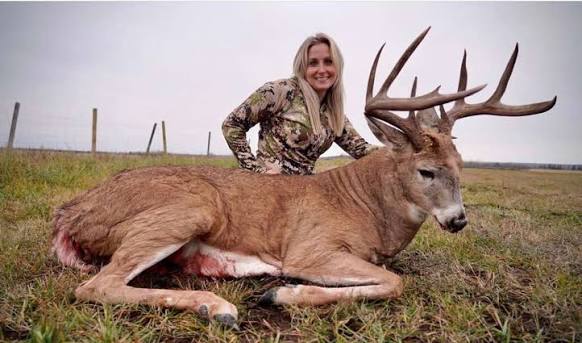
Canadian whitetail deer hunting cost varies significantly according to destination, accommodations, trip duration, services, taxes, and other package details.
There is no single nationwide price.
One published example is Ontario #345, which lists a 2026 six day package at $4,750 USD per person plus 13 percent sales tax.
Ontario #345 Published 2026 Costs
| Item | Published Cost |
|---|---|
| Six day package | $4,750 USD per person |
| Sales tax | 13% |
| Meals | Included |
| Lodging | Included |
| Field dressing | Included |
| Caping and skinning | $75 |
| Meat processing | $0.50 per pound |
Published prices can change, so current property information should always be checked rather than assuming historical pricing remains unchanged.
Ontario #345 Lodge and Accommodations
Accommodations are another important factor when comparing Canadian destinations.
The information supplied for Ontario #345 describes a renovated lodge with:
- Remodeled sleeping accommodations
- Approximately two guests per room
- Capacity for up to 12 guests
- Modern washrooms and showers
- Dining facilities
- Media and common areas
- Meal service
- Facilities for meat care
Meals and lodging are included in the currently published Ontario #345 package.
Travel Logistics for Canadian Whitetail Destinations
Travel arrangements vary considerably between Ontario, Saskatchewan, Alberta, and Manitoba.
The supplied information for Saskatchewan #180 places the destination approximately three hours from Saskatoon, near the Manitoba border.
Other properties have different arrival and transfer requirements. Exact airport, transfer, and drive information was not supplied for every destination covered in this article, so those details should not be assumed or generalized across Canada.
International travelers should also check current Canadian entry requirements and applicable provincial regulations before making travel arrangements.
When Is Canada’s Whitetail Season?
There is no single nationwide Canadian whitetail season.
Season dates can differ by province, wildlife management area, destination, and year.
For example, the information supplied for Ontario #345 lists its season from the last Saturday in October through November 15.
The supplied information for Alberta #343 places its program during November.
Because regulations and dates can change, one property’s dates should never be assumed to apply throughout Canada.
Why Do Canadian Whitetails Get So Large?
Several factors can contribute to the mature and heavy bodied whitetails associated with parts of Canada.
Productive Habitat
Agricultural regions can provide substantial food resources while nearby forests offer cover.
The Saskatchewan farmland and forest environment and Manitoba Parkland Region are good examples of this habitat combination.
Large Landscapes
The destinations in this article demonstrate the scale available in some parts of Canada.
Ontario #345 includes approximately 25,000 acres.
Saskatchewan #180 includes approximately 50,000 acres.
Alberta #343 operates across approximately 850 square miles.
Age Structure
Where habitat and local management allow deer to reach older age classes, mature animals can become an important part of the population.
Information associated with Ontario #345 describes whitetails reaching approximately five to seven years of age.
Northern Environment
Northern whitetails live in demanding seasonal conditions, and large body size is one characteristic commonly associated with deer populations in colder regions.
Genetics, nutrition, habitat, age, climate, and management can all influence the body and antler development seen within an individual population.
Frequently Asked Questions About Canada Whitetail Deer Hunting
Which Canadian province has large trophy whitetails?
Ontario, Saskatchewan, Alberta, and Manitoba all contain areas associated with mature whitetails. Historical information for the destinations covered here includes approximately 150 inch averages at Ontario #345, 140 to 160 inch class deer at Saskatchewan #180, and similar historical ranges at Alberta #343. Property level habitat and management provide more meaningful comparisons than simply ranking entire provinces.
How much does a Canadian whitetail trip cost?
There is no single nationwide price. One current example is Ontario #345, which lists its 2026 six day package at $4,750 USD per person plus 13 percent sales tax, with meals, lodging, and field dressing included. Prices and inclusions at other destinations can differ.
When is the Canadian whitetail season?
Dates vary by province, region, and year. The supplied information for Ontario #345 lists the last Saturday in October through November 15, while Alberta #343 operates during November. Current regulations and property information should be checked for the relevant season.
What size whitetails are found in Canada?
Size varies considerably. Historical information supplied for Ontario #345 describes an average around 150 inches, with some deer reaching approximately 190 inches. Saskatchewan and Alberta properties covered here also report historical mature deer across different size ranges. These figures describe past results and are not guarantees.
Are Canadian whitetails large bodied?
Some northern Canadian regions are known for particularly heavy bodied whitetails. Individual size still varies according to age, genetics, nutrition, habitat, climate, and other environmental factors.
Are all Canadian whitetail destinations similar?
No. Ontario #345 emphasizes extensive private property, Saskatchewan #180 combines farmland and forest, Alberta #343 operates across a very large southern Alberta landscape, and Manitoba #306 features agricultural fields transitioning into forest in the Parkland Region.
Phone: 307-637-5495
Email: info@hunt-nation.com
Understanding Canada’s Whitetail Regions
The main takeaway from researching Canada whitetail deer hunting is that Canada should not be treated as one uniform destination.
Ontario offers large private properties such as #345, where approximately 25,000 acres combine agriculture and timber.
Saskatchewan adds large farmland and forest environments and a history of heavy bodied northern whitetails.
Alberta brings expansive managed landscapes supporting both whitetail and mule deer populations.
Manitoba’s Parkland Region provides another distinctive environment where agricultural areas transition into substantial forest cover.
Comparing the specific property, habitat, historical deer information, accommodations, published costs, and current season details provides a clearer picture than relying on the reputation of a province alone.
Readers can also browse the Hunt Nation Adventure Catalog for additional destination information.